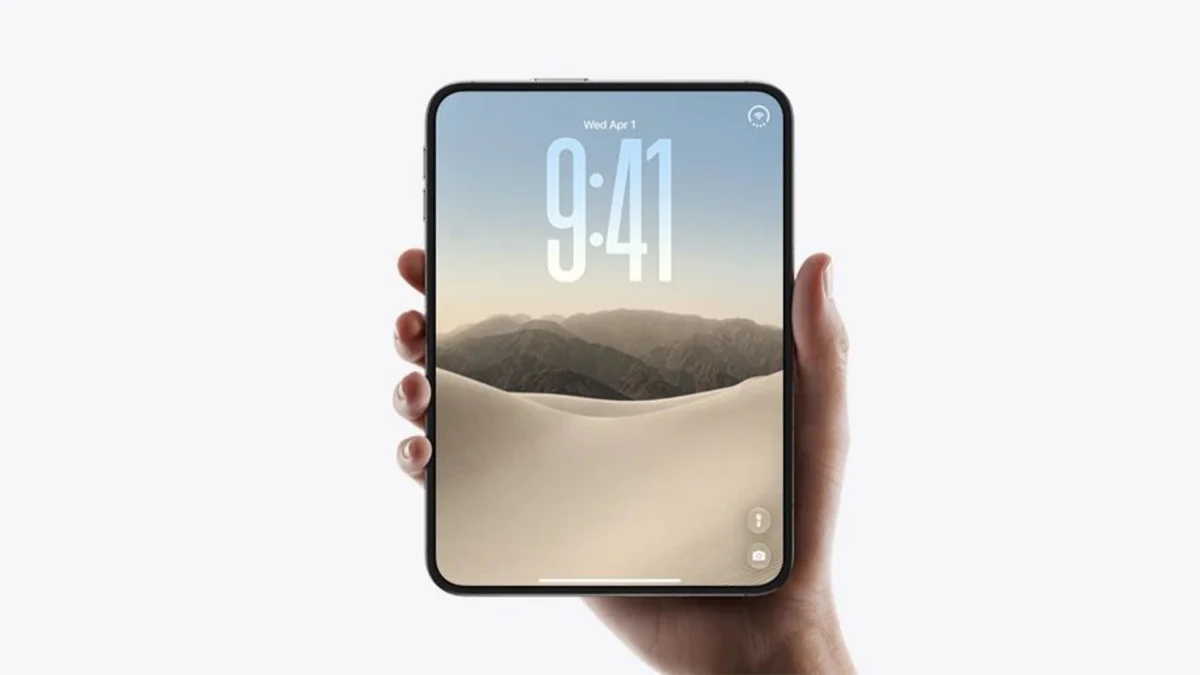
The long-awaited arrival of the iPhone Duo was meant to be a watershed moment for Apple. After years of speculation and watching rivals like Samsung and Google iterate through multiple generations of foldable technology, the market had a clear expectation: Apple would arrive late, but it would arrive with a product that "just works." The narrative was simple—Apple doesn’t ship first; it ships best.
However, as the first wave of units hits the hands of consumers and reviewers, that carefully cultivated narrative is beginning to fray. From critical hardware failures at the hinge to software optimization woes, the initial reception of the iPhone Duo suggests that even the most meticulous technology giant can struggle when navigating the volatile, high-stakes world of folding displays. With units sold out until January, the question remains: is the wait worth it, or has Apple finally hit a wall?
A Chronology of Anticipation and Early Friction
The path to the iPhone Duo was paved with industry-wide skepticism. When the Samsung Galaxy Fold debuted in 2019, it was plagued by screen defects and durability concerns. Google followed suit with the Pixel Fold, slowly refining the user experience. By the time the iPhone Duo was announced in late 2026, the technology was considered "mature" by some, but inherently fragile by others.
Apple’s entry was expected to be the catalyst for mass adoption. Following the official launch, the device saw an immediate, massive sell-through, with supply chains effectively gutted until the new year. Yet, the celebratory tone of the launch was short-lived.
By late October 2026, social media began to fill with reports of "hinge anxiety." Users reported vertical cracks forming precisely along the fold, dead pixels manifesting as streaks across the inner display, and, most damningly, a service bottleneck. With parts in short supply, early adopters were finding themselves facing a wait time for repairs stretching well into January 2027. This logistical failure has turned the "premium" experience into a source of significant user frustration.

The Hardware: Durability Under the Microscope
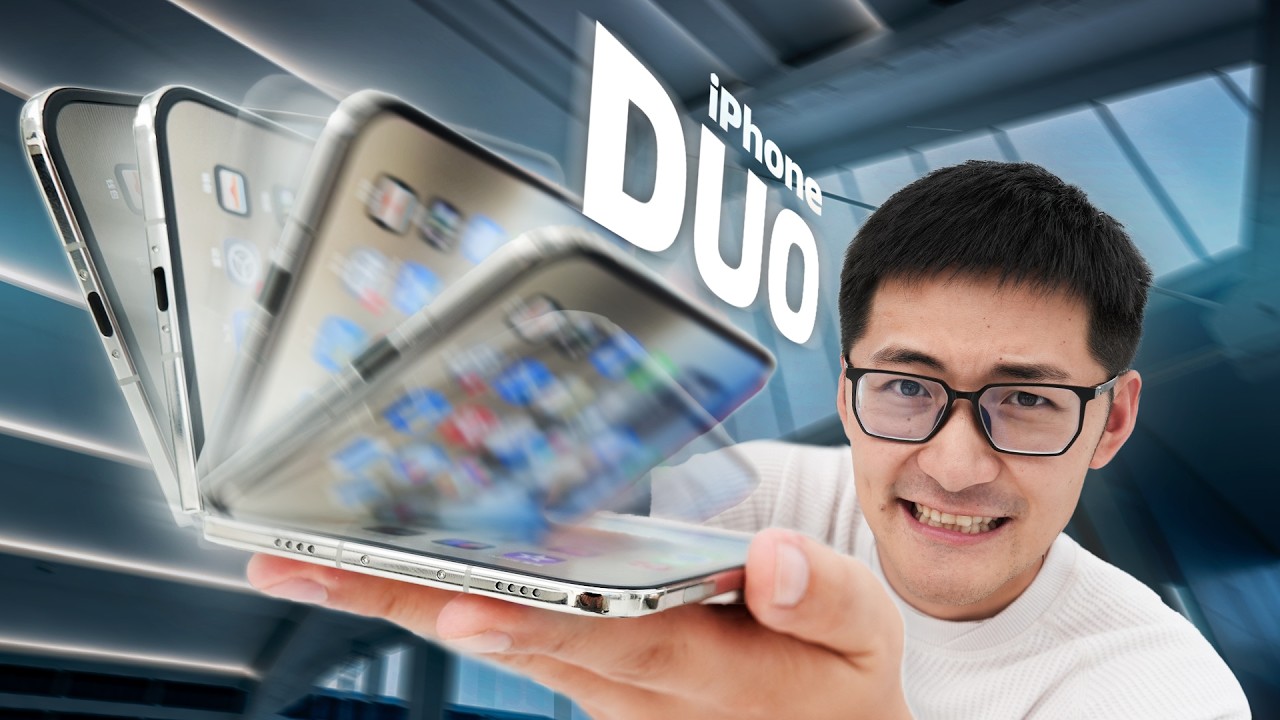
The central promise of the iPhone Duo was a seamless, invisible crease. To achieve this, Apple engineered a sophisticated, albeit complex, hinge mechanism. However, stress tests conducted by independent tech creators have cast doubt on the longevity of this design.
Crease Evolution and Screen Integrity
In a widely circulated video by creator Tim Pan, the device underwent 10,000 manual folds. While the hinge itself maintained its structural integrity, the screen’s "crease" became noticeably deeper, evolving from a near-invisible indentation to a tactile valley.
Contrast this with the findings from HTX Studio, which subjected the unit to 3,000 folds. Their analysis revealed that not only did the crease deepen faster than on competing devices, but the panel surrounding the hinge area also exhibited a concerning softening. This suggests that the screen’s protective layers may not be as robust as those found in current-generation flagships.
Environmental Vulnerabilities
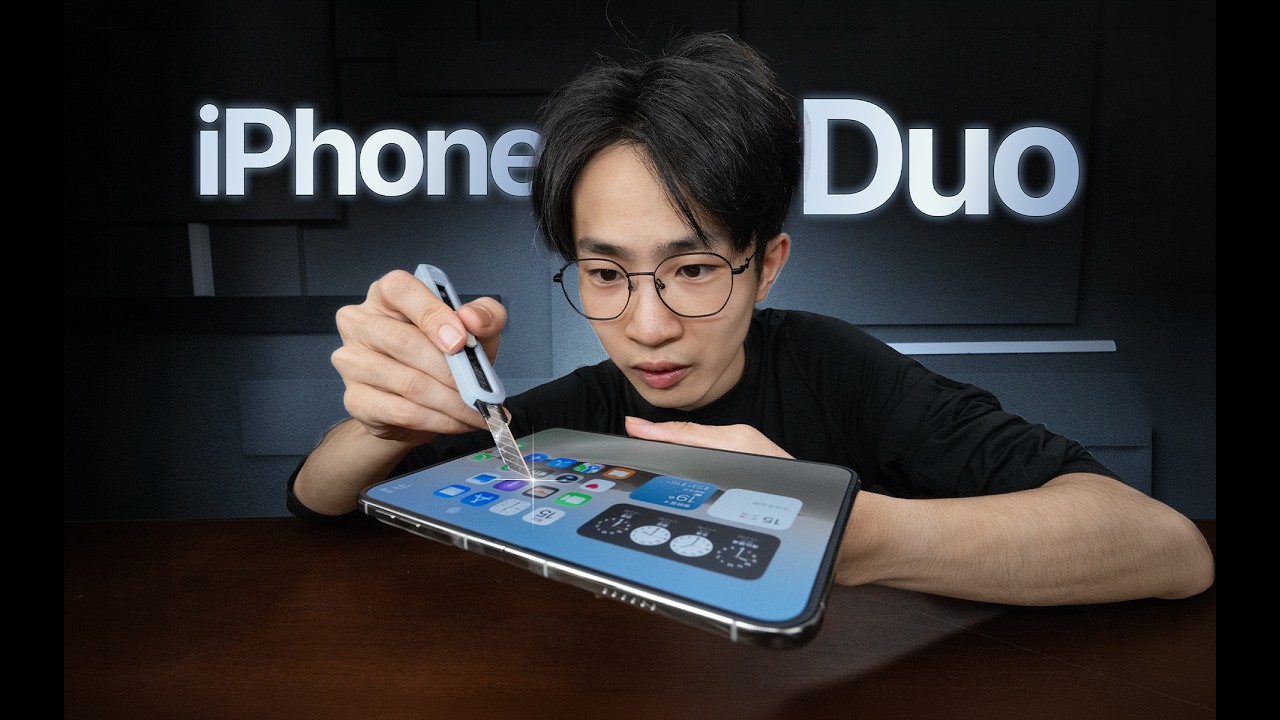
The "dirt test" has become a new benchmark for foldable durability. In a series of viral tests, users discovered that the iPhone Duo’s hinge is particularly susceptible to dust and grit infiltration. Once debris enters the mechanism, it threatens the magnetic closing function and, in extreme cases, risks piercing the delicate internal OLED layer. When combined with the device’s inability to withstand high-temperature exposure—such as direct contact with a flame—the Duo is proving to be a device that demands a level of care far beyond the typical smartphone.
Thermal Management: A Design Feature or a Bug?
Perhaps the most debated aspect of the iPhone Duo is its thermal performance. Reports of the device becoming uncomfortably warm during standard tasks—such as FaceTime calls or multitasking—have led to widespread concern.
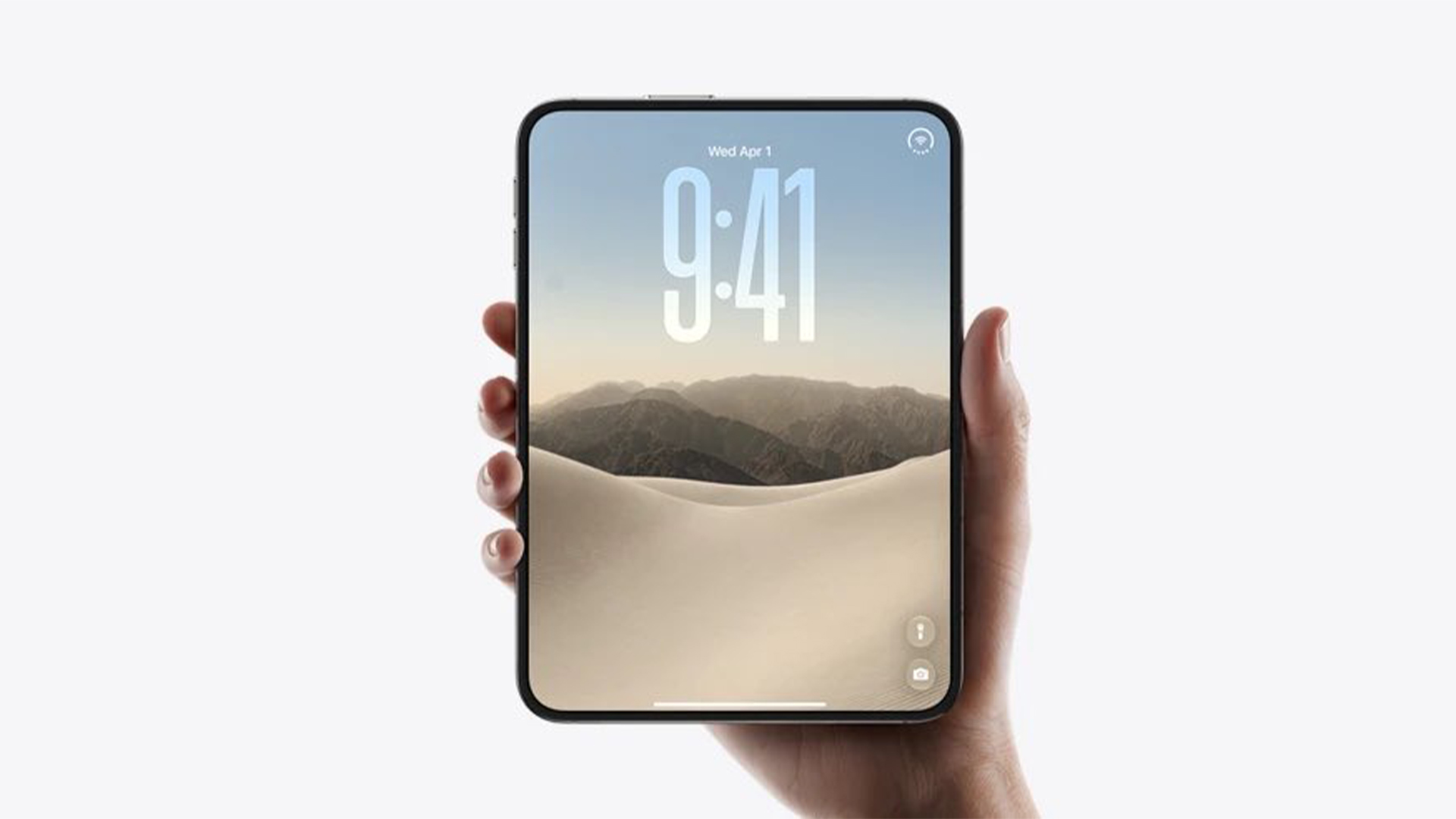
The Apple Defense
Apple’s official response has been consistent: the heat is a sign of the cooling system working exactly as intended. The company notes that the Duo utilizes a specialized, ultra-slim vapor chamber, complemented by a flexible graphite heat pipe that bridges the two halves of the device.
The goal of this design is to increase the surface area available to dissipate heat away from the processor. By spreading the heat across the entire chassis, the device prevents the chip from throttling. While technically sound from an engineering perspective, it creates a tactile "hot spot" for the user. As journalist Joanna Stern noted, the device can reach temperatures that lead users to abandon long-form tasks, effectively defeating the purpose of a device built for productivity.
Software Optimization: The "Black Bar" Problem
Hardware is only half the battle. For a foldable to succeed, the software must adapt seamlessly to changing screen real estate. Here, the iPhone Duo is experiencing classic "version 1.0" growing pains.
Many third-party apps, still optimized for standard iPhone aspect ratios, are failing to utilize the unfolded display effectively. Users are reporting that apps often appear as tiny, windowed boxes surrounded by unsightly black bars, or worse, as blurry, upscaled versions of their phone-sized counterparts.
While core Apple apps have been optimized, the broader ecosystem remains fragmented. Developers are scrambling to release updates, but until they do, the "Duo experience" is inconsistent. Furthermore, transition animations—the smooth handoff of an app from the outer screen to the inner display—are frequently plagued by stuttering and, occasionally, complete crashes.
The Biometric Dilemma
A surprising point of contention has been the omission of Face ID on the inner display, with Apple opting for a singular focus on external security. For many, this is a missed opportunity. Critics argue that when the phone is open and being used for high-end multitasking, the lack of an interior biometric sensor feels like a regressive step in convenience. Apple’s official stance—that they wanted to maintain a consistent unlocking experience—has done little to quell the dissatisfaction of power users who would prefer internal Face ID for the sake of efficiency.
Implications for the Future of the iPhone
So, where does this leave the consumer? The current situation highlights a fundamental tension in modern tech: the desire for innovation versus the demand for perfection.
Apple has built a reputation on the "it just works" philosophy. The iPhone Duo, in its current state, does not quite live up to that mantra. It is a bold, ambitious piece of engineering that showcases the future of mobile computing, but it is currently hampered by the limitations of first-generation hardware.
Should You Buy?
For the average consumer, the answer is a cautious "wait." The software bugs will likely be ironed out in upcoming iOS updates, and as developers catch up, the app ecosystem will improve. However, the hardware concerns—specifically regarding hinge durability and thermal comfort—are inherent to the current design.
If you are a tech enthusiast who thrives on being at the cutting edge, the iPhone Duo offers a glimpse into a new era of mobile interaction. But for those who rely on their phone as a mission-critical tool, the "Duo" is a luxury experiment rather than a reliable daily driver.
As we look toward the potential of an "iPhone Duo 2," the lessons learned from this initial launch will be invaluable. Apple has proven it can enter the foldable market with a device that feels premium in the hand and looks like a piece of high-end jewelry. Now, they must prove they can provide the reliability that their user base demands. For now, the "Duo" remains a work in progress—a brilliant, flawed, and fascinating experiment that suggests the future of the iPhone is indeed folding, even if the present is still a bit creased.