The evolution of generative artificial intelligence has moved at a velocity that has left even the most seasoned industry veterans breathless. Barely a year ago, the internet was flooded with uncanny, glitchy clips of figures struggling to consume spaghetti—a viral meme that served as a humorous benchmark for how far the technology had to go. Today, that narrative has shifted entirely. We have entered the era of high-fidelity, text-to-video synthesis, where platforms are capable of producing photorealistic commercials, cinematic short films, and highly detailed motion graphics, all driven by natural language prompts.
However, for the creative professional, the "best" AI video generator is not merely the one that produces the most striking image. It is the one that integrates seamlessly into a workflow, adheres to legal safety standards, and offers a pricing model that doesn’t spiral into an operational nightmare. As the market saturates with new models, choosing the right tool requires a sophisticated understanding of costs, capabilities, and technical constraints.
A Chronology of the AI Video Boom
The rapid ascent of AI video began in earnest with the introduction of early diffusion-based models that struggled with temporal consistency—the ability of an AI to keep an object looking the same from one frame to the next. Early attempts were often limited to three seconds of shaky, morphing imagery.

By mid-2023, the industry saw the emergence of more stable platforms like Runway, which introduced advanced camera controls and "Inpainting" features. In 2024 and 2025, the barrier to entry lowered significantly as companies like Google (with Veo) and Adobe (with Firefly) entered the fray. Adobe’s strategic decision to integrate AI directly into the Creative Cloud ecosystem marked a turning point: AI video was no longer an experimental toy; it was becoming a standardized feature of the professional post-production pipeline.
Deep Dive: The Top 5 AI Video Generators
01. Adobe Firefly: The Professional’s Ecosystem
Adobe Firefly has cemented itself as the leader in the space, not necessarily because it has the "most" powerful raw engine, but because it is the most useful. By embedding AI generation directly into Premiere Pro and Creative Cloud, Adobe has solved the biggest hurdle in AI adoption: the friction of file management.
- Commercial Viability: Adobe’s training data consists of licensed and public-domain content, providing a safety net for agencies worried about copyright infringement—a major concern for corporate clients.
- Workflow Integration: The ability to move from "Firefly Boards" (brainstorming) directly into the video editor is a massive time-saver.
- Aggregated Access: Perhaps most brilliantly, Adobe allows users to tap into third-party models like Google Veo and Runway directly within their platform, creating a "one-stop shop" for AI video needs.
02. Google Veo 3: The Cinematic Standard
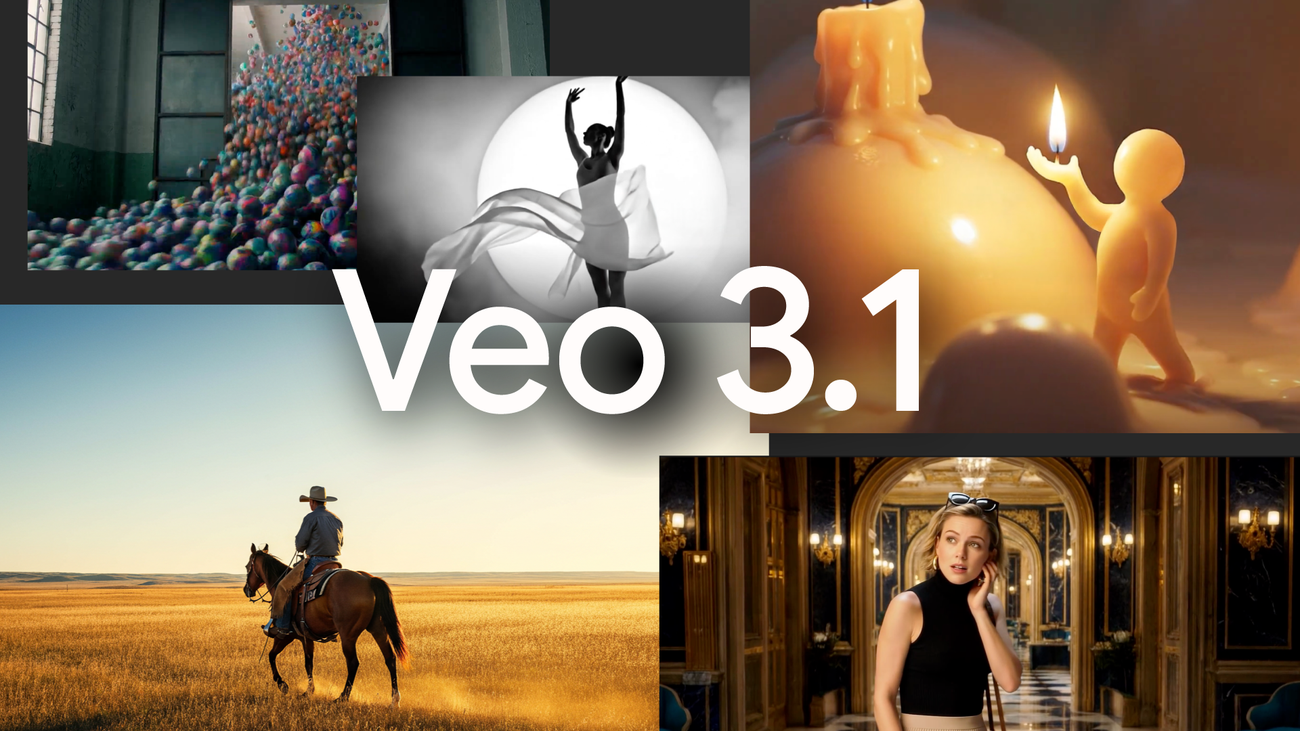
If Adobe is the utility, Google Veo is the lens. In terms of sheer visual fidelity, lighting accuracy, and camera movement, Veo currently sets the benchmark. It is favored by high-end production houses that require footage to mimic the aesthetic of a professional cinematic camera rather than a grainy AI hallucination.

- Realism: Veo excels at understanding the nuances of environmental interaction, such as how light reflects off water or how dust motes dance in a beam of sunlight.
- Native Audio: One of Veo’s secret weapons is its ability to generate synchronized audio, which adds a layer of immersion that text-to-video generators often lack.
- The Cost of Quality: With pricing for developers starting at approximately $0.40 per second, Veo is a premium tool. It is not designed for casual experimentation; it is a specialized instrument for high-stakes creative projects.
03. Runway: The Director’s Toolkit
Runway remains the platform of choice for the "AI filmmaker." While other platforms focus on ease of use, Runway focuses on granular control. It provides users with a suite of professional tools, such as color grading, depth-of-field adjustments, and motion brushes that allow creators to "paint" motion into specific areas of an image.
- Advanced Control: The platform’s ability to isolate subjects and remove backgrounds makes it an indispensable tool for motion designers.
- The Learning Curve: Because Runway offers so much power, it is significantly more complex to master than competitors like Hailuo. Users must be prepared to invest time in understanding the nuances of its generation parameters.
04. Kling: The Efficiency Disruptor
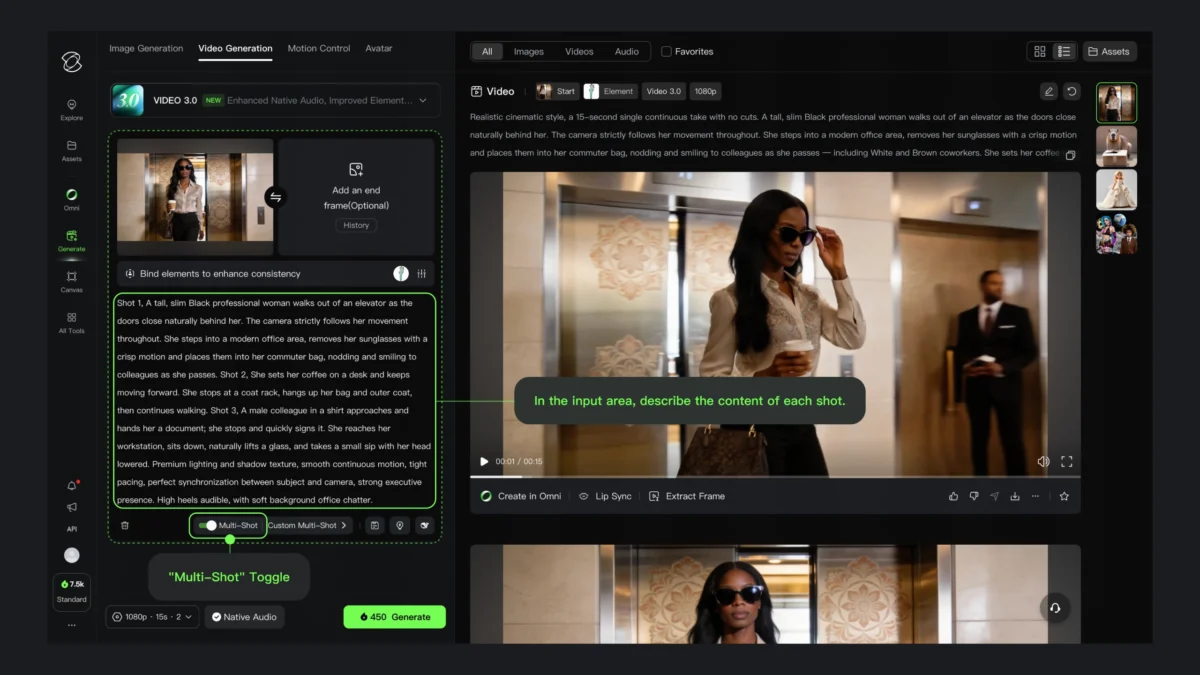
Kling has emerged from the Asian market as a formidable competitor, largely due to its uncanny ability to generate realistic human movement and long-duration clips. For many small businesses and independent creators, Kling offers the best "bang for the buck."
- Character Consistency: Kling’s ability to maintain a character’s identity across multiple shots is superior to many Western counterparts.
- Affordability: By offering a more generous credit structure, Kling allows creators to experiment without the constant fear of hitting a paywall.
05. Hailuo: The Rapid Ideation Engine
Hailuo is the "sketchpad" of the AI world. It is designed for speed—fast generation times mean a creative can iterate through dozens of concepts in an hour. While it may not produce the final, polished cinematic masterpiece, it is the best tool for storyboarding and rapid concept testing.

Supporting Data and Financial Realities
The financial barrier to AI video is often obscured by "teaser" subscription rates. While a $10-per-month subscription sounds reasonable, it rarely covers the needs of a professional video editor.
| Platform | Best For | Typical Cost Metric |
|---|---|---|
| Adobe Firefly | Professional Workflows | 100 credits/sec (approx.) |
| Google Veo | Cinematic Quality | ~$0.40/sec (API) |
| Runway | Advanced Editing | Credit-based (Complex) |
| Kling | Budget/Consistency | ~40 credits per 5s clip |
| Hailuo | Rapid Ideation | ~50 credits per 1080p clip |
The industry-wide move toward credit-based systems is a double-edged sword. It allows for flexible pricing, but it makes budgeting for a project nearly impossible. As one creative director noted, "A single 30-second commercial might require 500 generations to get the perfect shots. If each generation costs credits, the final bill can easily exceed the cost of traditional stock footage."
Official Responses and Ethical Implications
The major players in this space are acutely aware of the ethical minefield they occupy. Adobe has been the most vocal regarding the "Content Authenticity Initiative," aiming to label AI-generated content with metadata that confirms its origin. This is a critical development as deepfakes and misinformation proliferate.
Furthermore, there is an ongoing shift toward "Ethical AI." Companies are increasingly under pressure to disclose their training sets. The legal implications of scraping copyrighted video are currently being litigated in multiple jurisdictions, and platforms that rely on licensed material—like Adobe—are finding themselves in a much stronger legal position than competitors who rely on unverified, scraped data.
The Path Forward
For the professional creative, the message is clear: do not marry yourself to a single platform. The "best" generator today may be surpassed by a new model tomorrow. The most successful creatives are those who treat these AI tools as specialized extensions of their existing software suite.
Whether you are using Adobe Firefly for its seamless workflow, Google Veo for its cinematic prowess, or Runway for its directorial controls, the key is to integrate these tools into a broader, hybrid production pipeline. As the technology matures, the value will shift away from the "novelty" of AI generation and toward the "utility" of the output.

Ultimately, AI video generators are not replacing the cinematographer or the editor; they are becoming the most powerful brushes in their digital kit. The question is no longer whether you should use AI, but how you can leverage these distinct models to push the boundaries of your own creative vision while keeping a watchful eye on your operational costs.