WASHINGTON — As families across the nation prepare for the annual migration back to school, the perennial challenge of academic organization takes center stage. To combat the back-to-school scramble, organizational lifestyle platforms have officially rolled out their heavily anticipated, newly refreshed Student Binder system. Designed to bridge the gap between chaotic syllabi and academic success, the comprehensive resource offers students, parents, and educators a centralized toolkit to streamline the entire academic calendar.
With more than 300 pages of downloadable resources available through specialized resource libraries, this year’s release comes in response to soaring demand from students and parents alike seeking structured, highly customizable methods to reclaim control over their schedules.
Main Facts: What is the Student Binder System?
The newly released Student Binder printables are a curated collection of physical, printable templates intended to house all vital school and class information in a single 3-ring binder. Rather than relying entirely on fragmented digital apps or easily misplaced looseleaf paper, this physical system integrates analog planning techniques with modern time-management strategies, such as time blocking and goal mapping.
Key features of the updated system include:
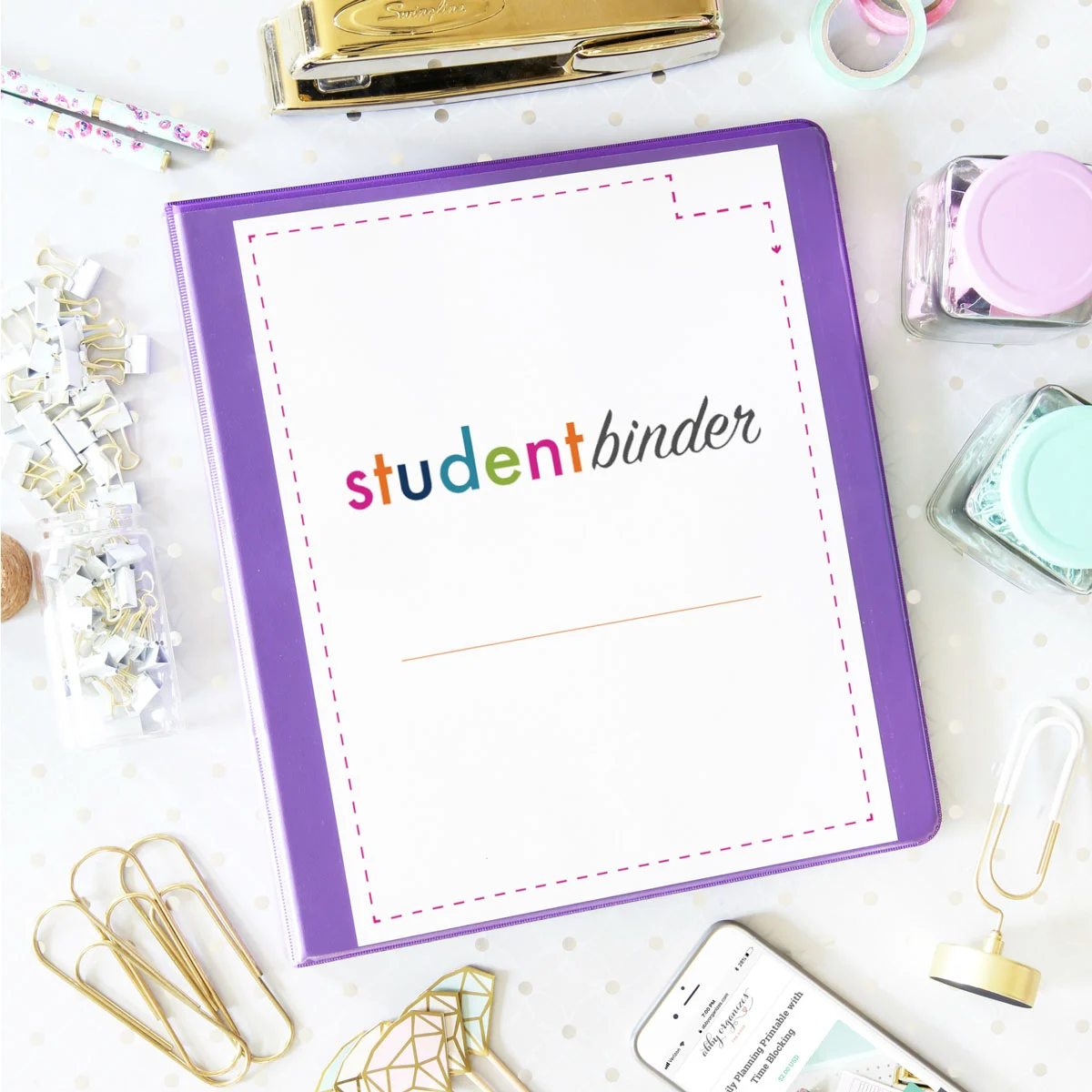
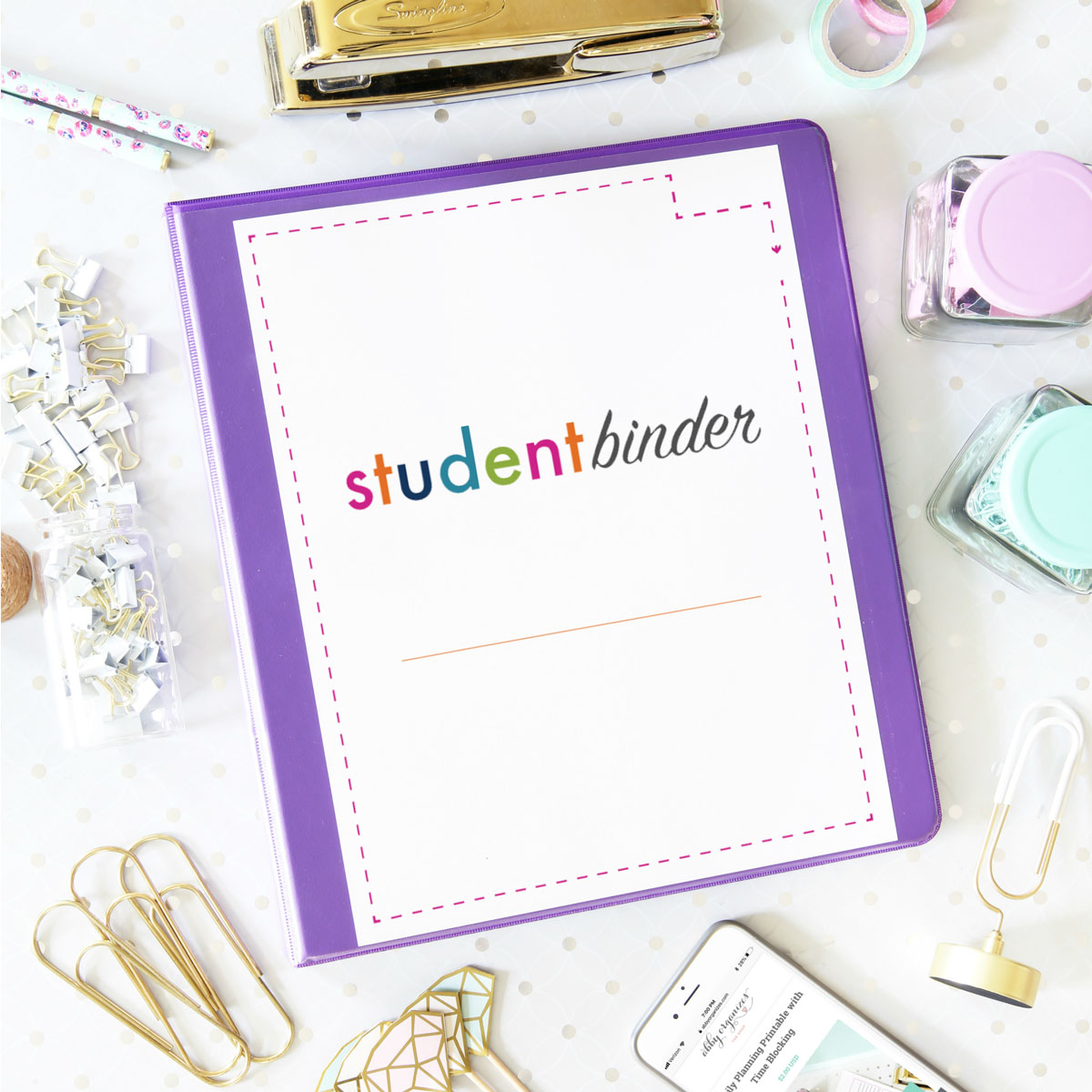
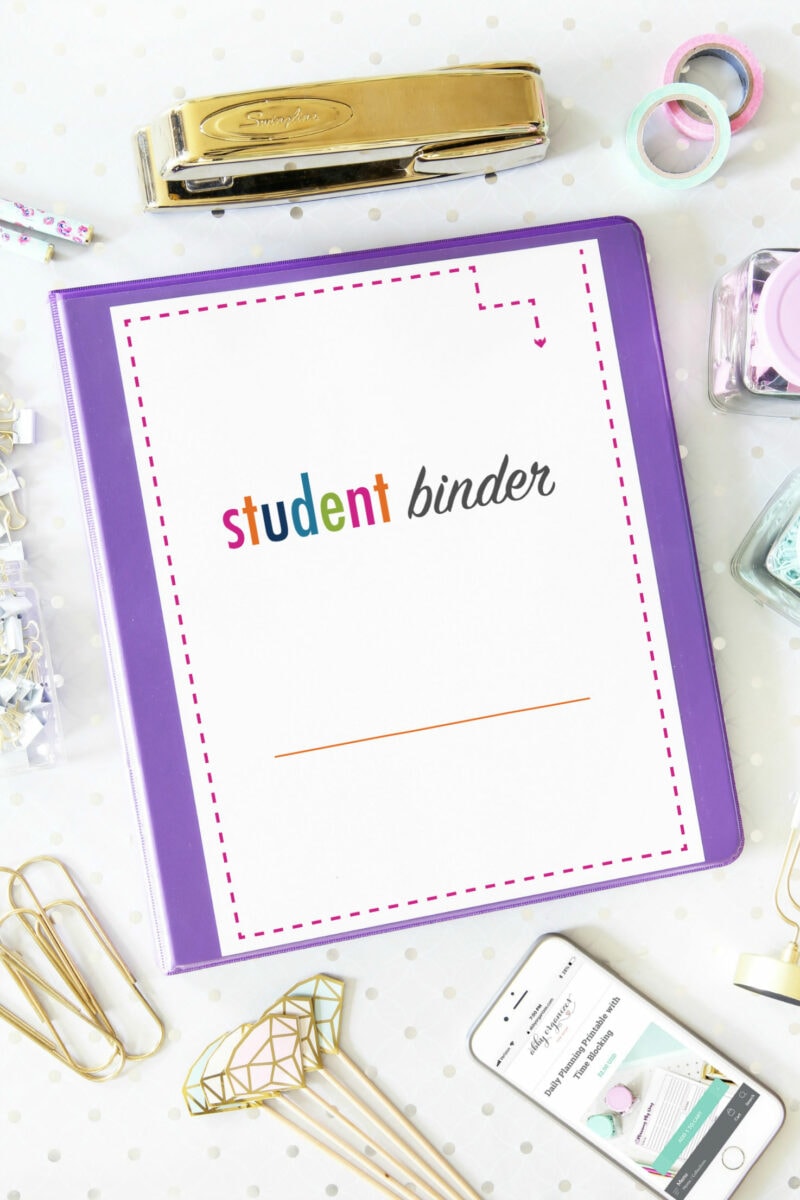
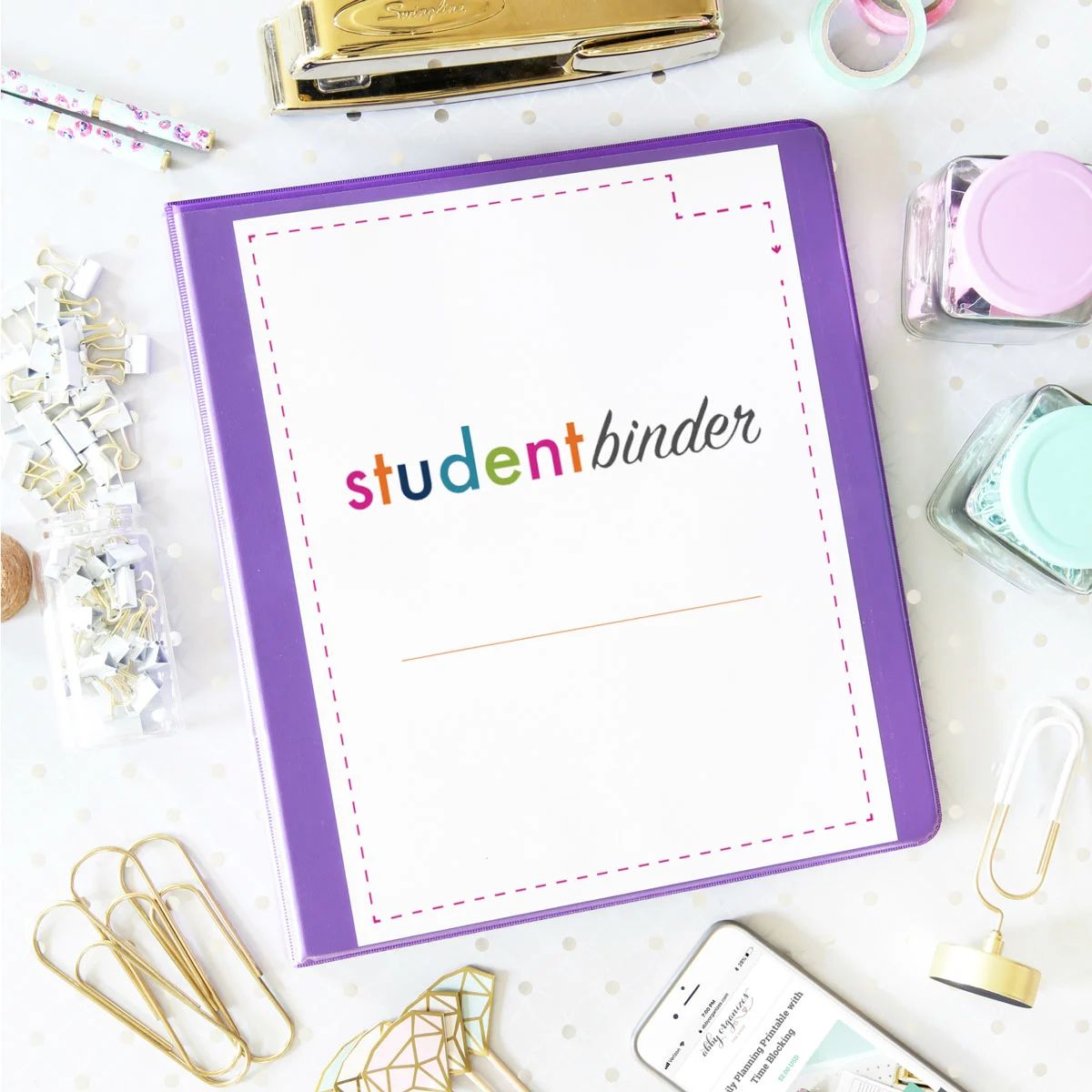
Customizable Presentation: Sturdy, vibrant binder covers designed to be printed on cardstock, complete with spaces for student identification and emergency contact details.
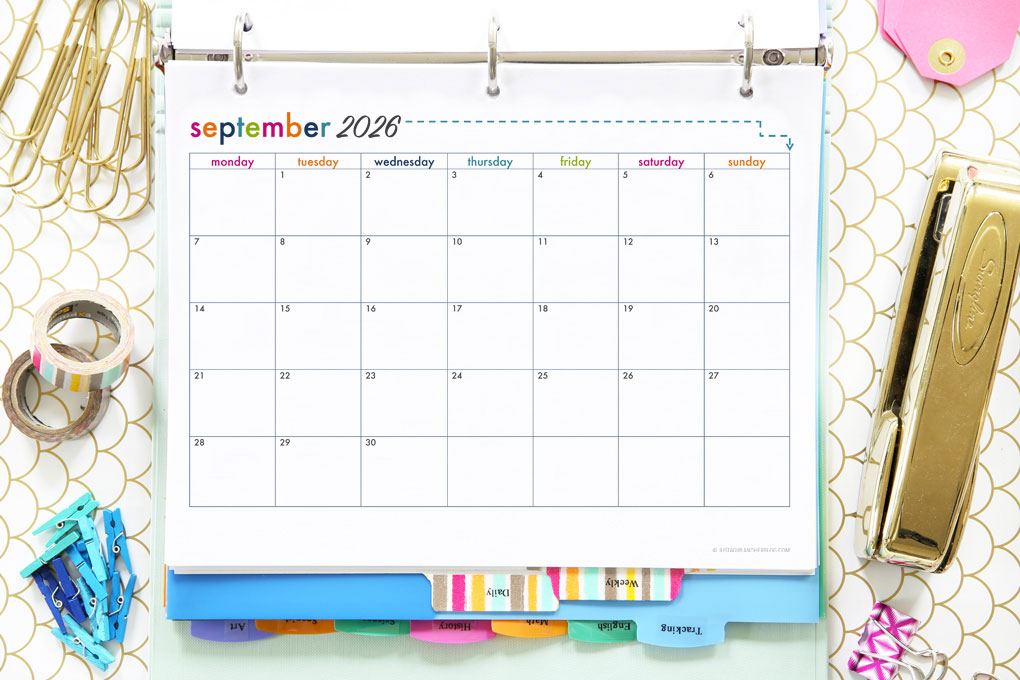
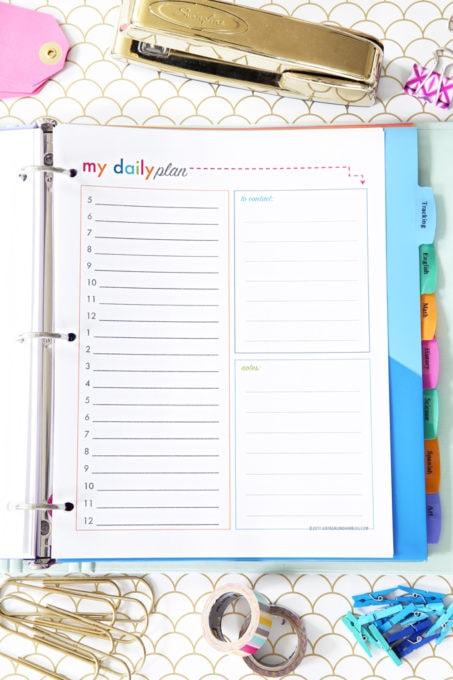
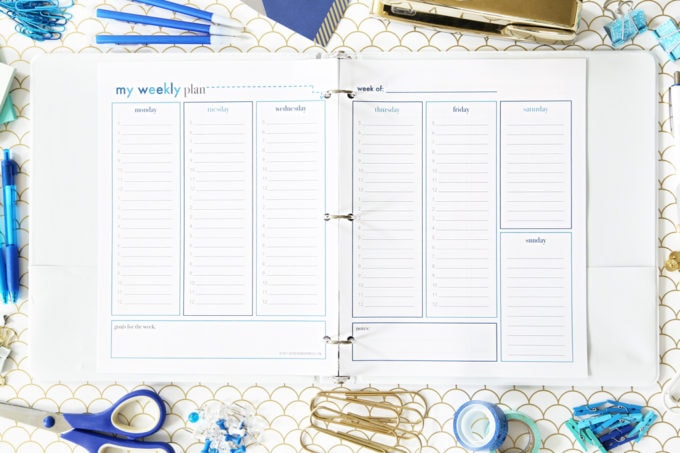
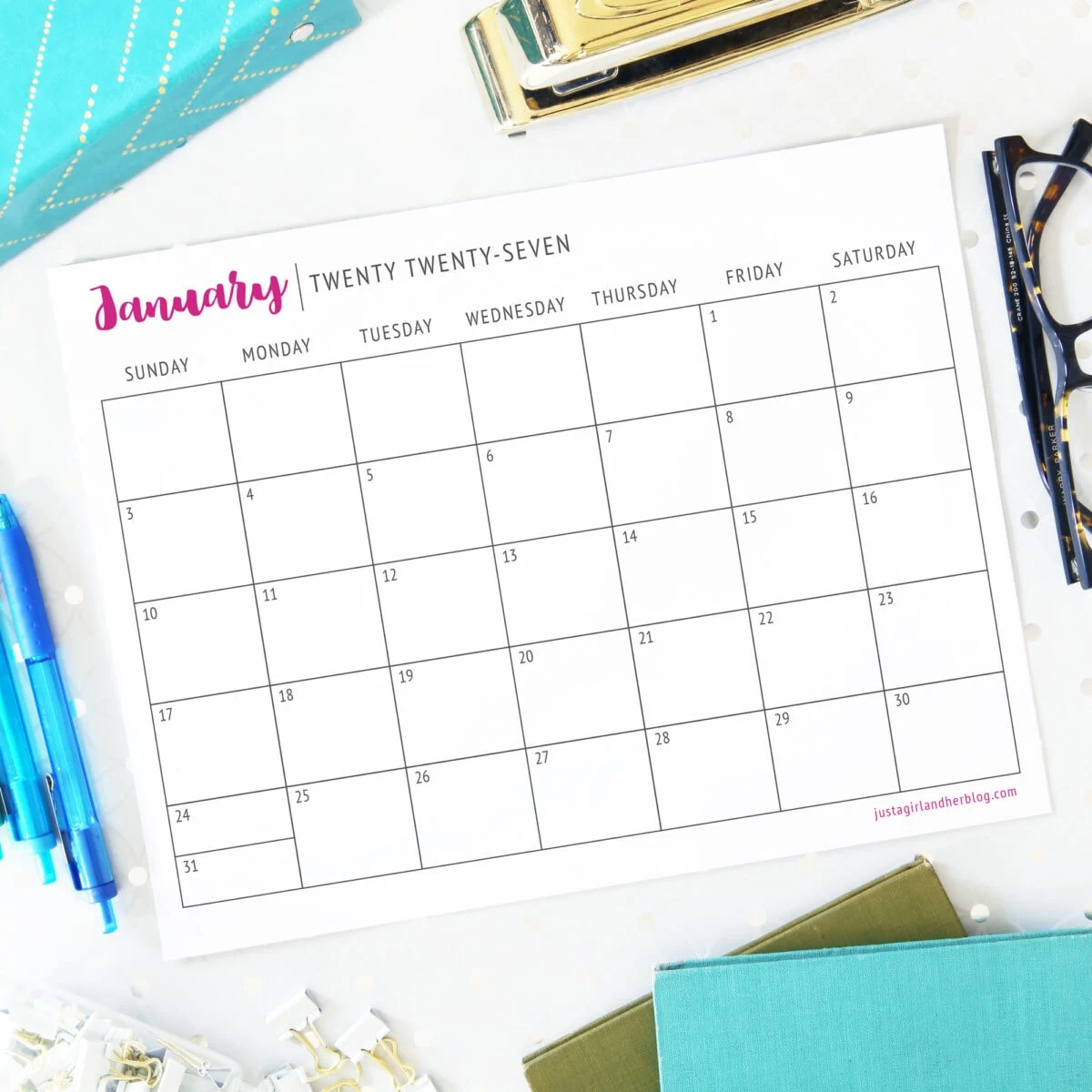
Master Planning Pages: Dated and undated monthly calendars running through late 2027, two-page weekly spreads, and granular daily planning sheets.
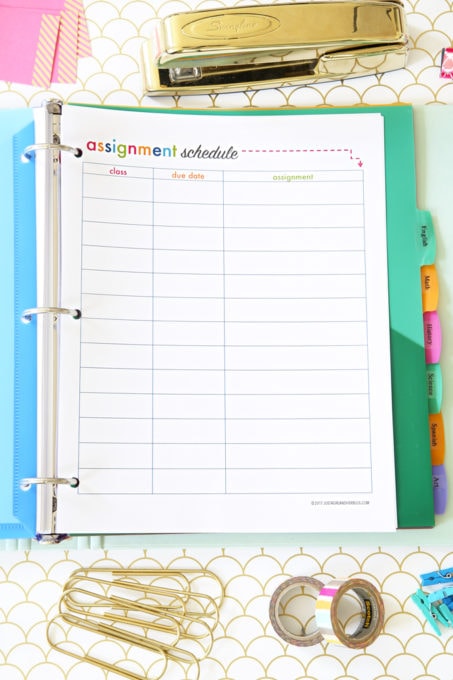
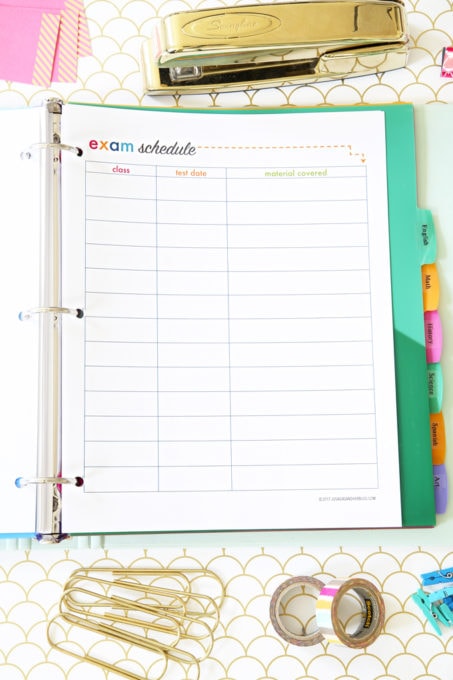
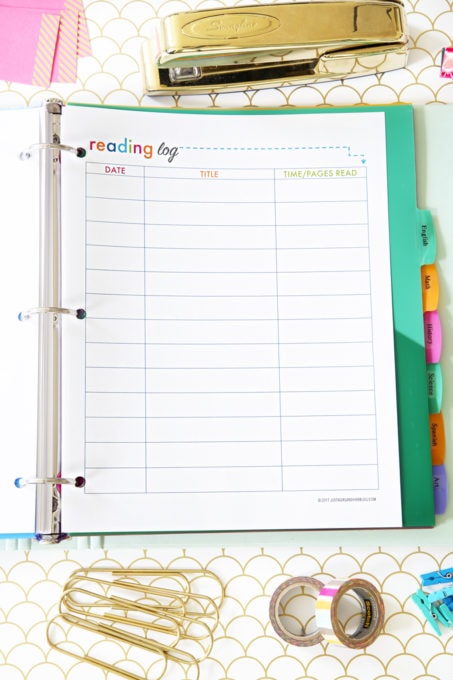
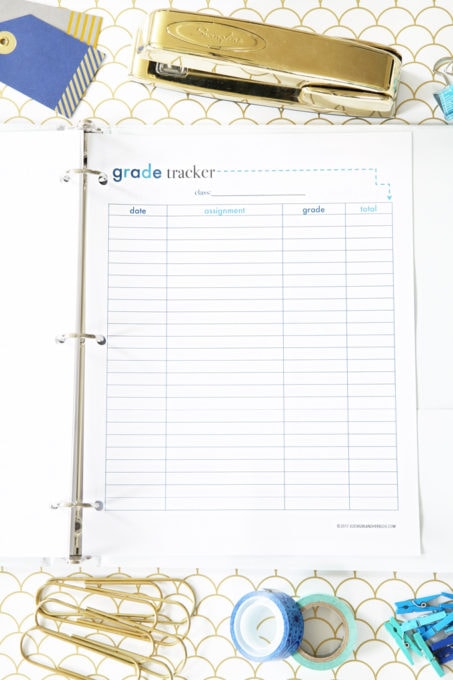
Academic Trackers: Dedicated logs for assignments, examinations, grade tracking, and reading milestones.
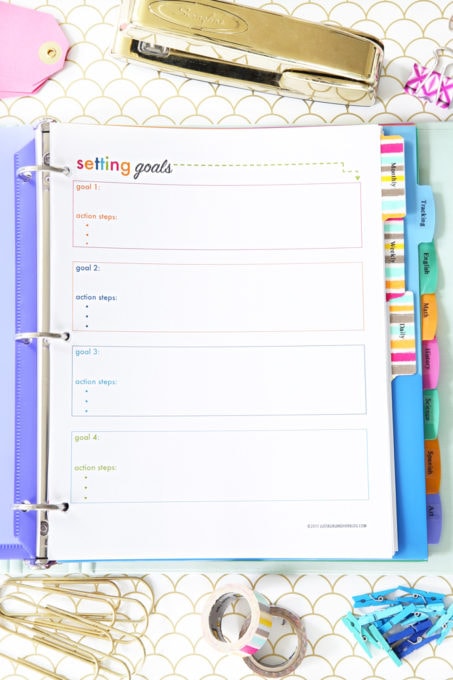
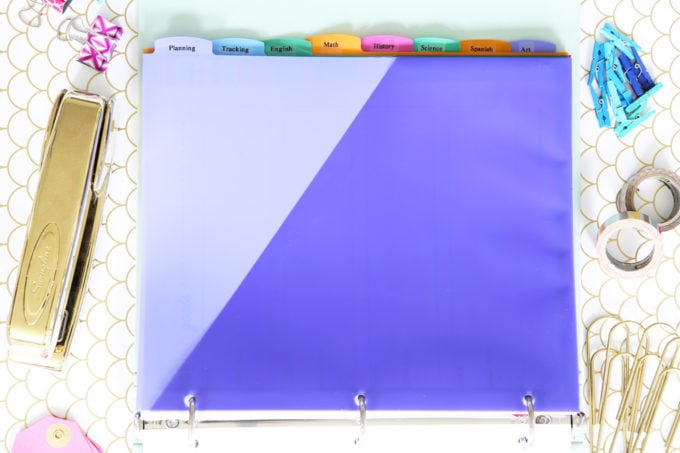
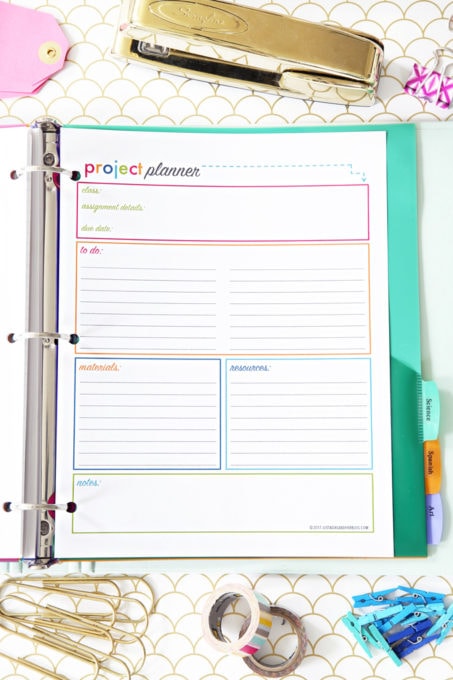
Subject-Specific Dividers: Color-coded tab inserts paired with note-taking templates and project planning sheets to break down complex assignments.
Dual Aesthetic Options: Available in classic bright color schemes as well as a newly expanded blue-centric palette designed to offer broader appeal.
Chronology: The Evolution of Student Organization
The journey toward modern student organization has undergone a significant transformation over the past decade, shifting from traditional paper agendas to digital ecosystems, and now experiencing a hybrid renaissance.
Early 2010s: The rise of digital-first academic tools led many educators and students to abandon paper planners in favor of smartphone applications and cloud-based calendars.
Mid-to-Late 2010s: Educators and productivity experts began noticing a sharp decline in information retention and task follow-through among students relying solely on digital devices, driven by digital fatigue and notification distractions. This sparked the initial development and release of downloadable, printable student planners.
2022–2024: Following disruptions in traditional learning environments, demand for tangible organizational tools surged. Parents and students increasingly sought structured, offline methods to establish daily routines.
Recent Developments: Responding to months of inquiries from parents and educators asking, "When are you going to update the student binder?" developers accelerated the release of the updated 2026–2027 academic frameworks, integrating advanced time-blocking grids and extended long-range calendar views.
Supporting Data and Structural Breakdown
Building an effective student binder requires more than just printing random pages; it relies on a deliberate structural hierarchy divided into three core functional pillars: Planning, Tracking, and Subject Execution.
1. The Planning Architecture
Effective time management begins before the first bell rings. The planning section of the binder provides macro- and micro-level views of a student’s commitments:
Goal-Setting Sheets: Grounded in productivity research, these pages prompt students to establish concrete academic objectives for the upcoming semester, accompanied by actionable step-by-step milestones.
Monthly & Weekly Spreads: Featuring both dated formats (spanning July 2026 through December 2027) and perpetual undated versions, these calendars accommodate varied academic schedules. The two-page weekly spread breaks down individual days by the hour, facilitating the popular productivity method known as "time blocking."
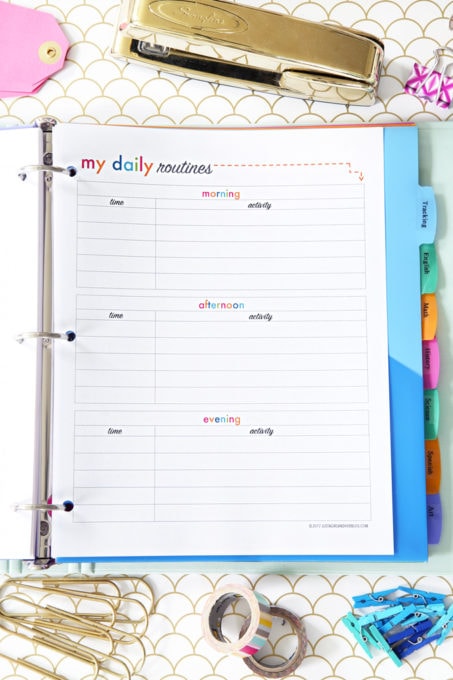
Daily Routines: Designed to anchor a student’s day, this checklist helps establish predictable habits for mornings (packing lunches, organizing backpacks), afternoons (completing homework and chores), and evenings (laying out clothes and reviewing the next day’s timetable).
2. Academic Tracking Systems
The transition from middle school to high school—and subsequently to higher education—often overwhelms students with overlapping deadlines. The tracking module addresses this directly:
Assignment and Exam Schedules: By consolidating syllabus dates immediately upon receiving them during the first week of class, students can map out critical deliverables and avoid last-minute cramming.
Reading Logs: Emphasizing literacy retention, these pages track minutes and pages read, serving as both an accountability measure and a historical record of academic growth.
3. Subject-Specific Frameworks
To prevent cross-contamination of notes from disparate classes, the binder utilizes colorful tab dividers equipped with storage pockets. Behind each tab lies a tripartite system:
Grade Trackers: A running ledger where students record individual quiz, test, and project grades alongside a cumulative total column, eliminating end-of-term grade surprises.
Note-Taking Pages: Clean, structured templates designed for lectures, brainstorming sessions, or quick reference lists.
Project Planners: Detailed breakdown sheets that parse major multi-week projects into manageable components, ensuring complex assignments are executed methodically.
Official Responses and Expert Perspectives
Educational psychologists and productivity specialists have long debated the efficacy of physical versus digital planning tools. Proponents of the physical binder approach argue that tactile engagement with the material enhances cognitive processing.
"When students physically write down their assignments, map out their study hours, and track their grades by hand, they engage regions of the brain associated with memory retention and intentional commitment in a way that tapping a smartphone screen simply cannot replicate," notes a leading academic advisor specializing in student success strategies.
Furthermore, parental feedback played a pivotal role in the recent design updates. In previous iterations, primary colorways leaned heavily toward traditional pastel palettes. Following extensive outreach from parents—particularly mothers of boys and students preferring cooler tones—developers introduced a comprehensive secondary blue color scheme.
"As a boy mom, I completely understood the need for inclusive design options," shared the creator behind the binder system. "We wanted to ensure every student felt a sense of ownership over their organizational tools, regardless of whether their aesthetic preference leans toward vibrant warmth or cool focus."
Implications for the Upcoming Academic Year
The widespread availability of free, downloadable organizational resources carries significant implications for equity in education and student mental health.
1. Mitigating Academic Anxiety
Disorganization is a leading contributor to student stress, often manifesting as sleep deprivation, missed deadlines, and test anxiety. By utilizing a standardized tracking system, students externalize their mental load. Knowing where every grade, assignment, and syllabus lives reduces cognitive fatigue and fosters self-efficacy.
2. Accessibility and Cost-Effective Organization
Commercial academic planners can be cost-prohibitive, often ranging from $20 to upwards of $50 for high-end brands. By offering comprehensive binder kits through free digital resource libraries, students from diverse socioeconomic backgrounds gain access to professional-grade organizational tools. Families need only invest in a standard 3-ring binder, dividers, and basic printing supplies.
The habits formed in middle and high school—such as time management, routine establishment, and proactive grade tracking—form the foundation of adult executive functioning. Tools that encourage students to take ownership of their schedules cultivate independence, preparing them not just for higher education, but for the demands of the modern professional workforce.
Conclusion
As educational landscapes continue to evolve, the humble 3-ring binder remains a steadfast ally in the pursuit of academic excellence. By combining thoughtful design, aesthetic versatility, and rigorous structural frameworks, updated student binder printables offer a practical roadmap for a successful school year.
For students, parents, and lifelong learners looking to transform desktop chaos into structured clarity, the tools are readily accessible, proving once again that a well-organized mind truly begins on paper.