The prevailing advice on workplace boundaries is often as appealing as it is impractical. We are told to "just say no," to prioritize self-care, and to reclaim our evenings. Yet, for the average employee, these platitudes collide violently with the reality of modern corporate life. When a calendar invite arrives for a 5:30 p.m. meeting, … Read More “Beyond the "Just Say No" Myth: A Structural Approach to Workplace Boundaries” »
Tag: focus
The Architecture of the Lapse: Why Your Spending Resolutions Fail and How to Actually Stop Impulse Buying
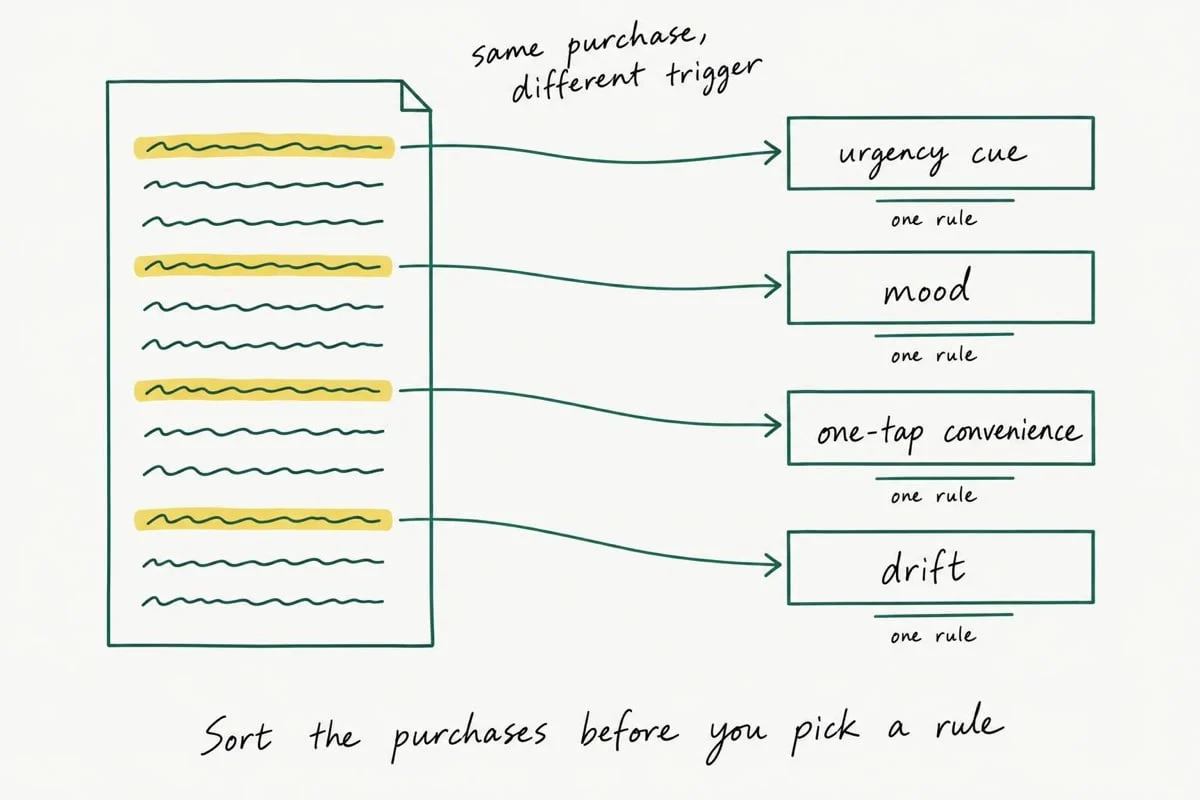
The cycle is agonizingly familiar: you resolve to tighten your belt, delete the shopping apps, and promise to exercise fiscal restraint. Yet, within days—or sometimes hours—you find yourself clicking "Buy Now" on an item you didn’t need, didn’t plan for, and might not even want once it arrives. For many, this pattern is not a … Read More “The Architecture of the Lapse: Why Your Spending Resolutions Fail and How to Actually Stop Impulse Buying” »
Family estrangement—the deliberate cessation of contact between relatives who are still living—is a profound, often silent rupture that defies the traditional "machinery of loss." Unlike the death of a loved one, which is punctuated by rituals, public recognition, and a definitive end date, estrangement is an open-ended, living ambiguity. It is a status that leaves … Read More “The Unspoken Architecture of Absence: Navigating the Complexities of Family Estrangement” »
In the landscape of modern entrepreneurship, the most dangerous business strategies are not the ones that explode in a dramatic collapse. They are the ones that quietly persist, draining capital and executive energy while delivering stagnant revenue. These strategies are the "zombie projects"—initiatives that have long since stopped showing promise but continue to receive funding, … Read More “The Sunk Cost Trap: Why Your Business Strategy Needs a "Kill Switch"” »
For most entrepreneurs, the attempt to document business processes begins on a Sunday evening. You open a sleek, downloaded template, brew a fresh cup of coffee, and set out to map your workflow. Twenty minutes later, the screen remains largely blank, save for four generic bullet points: Get brief, do the work, send invoice, chase … Read More “The Myth of the Blank Template: Why Your Business Processes Fail and How to Actually Capture Them” »
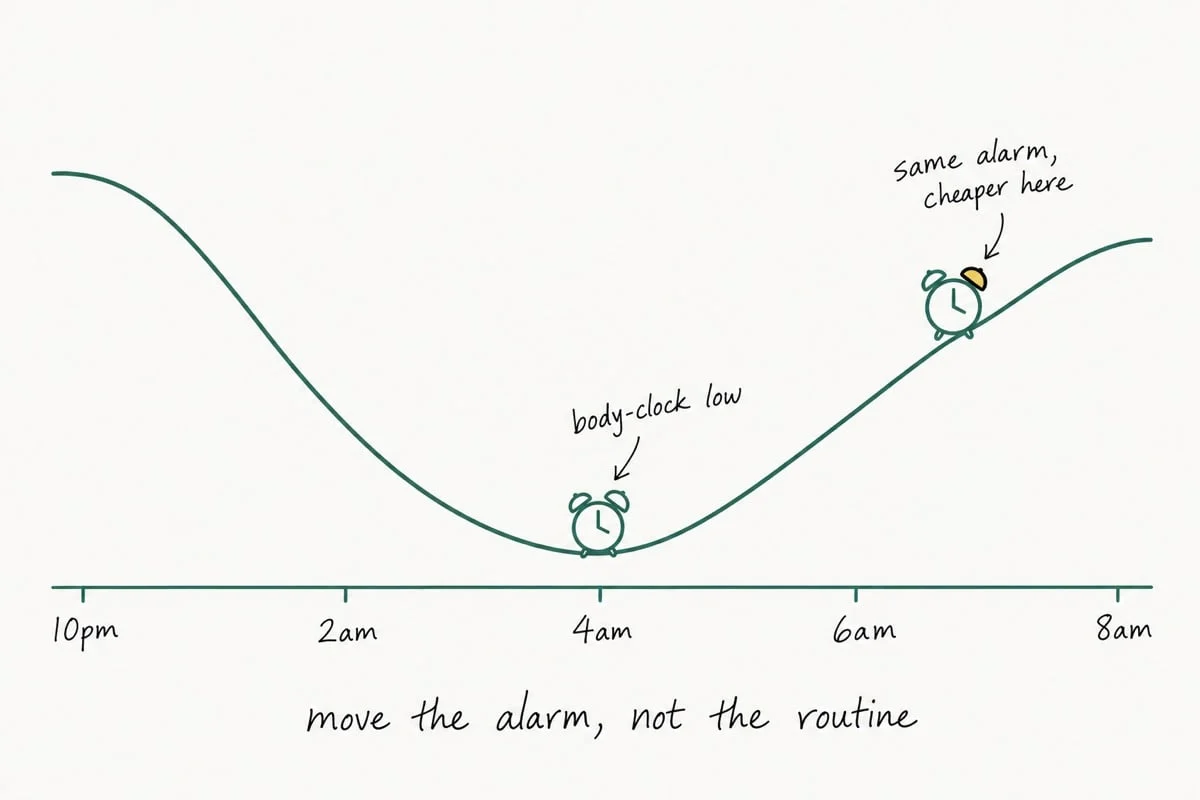
Your alarm rings at 6:10 a.m. You are upright by 6:12, standing in the kitchen by 6:15, and yet you are functionally adrift. You stare at the refrigerator, unable to decide between milk or juice. You read the same text message three times, the words failing to form a coherent narrative. You are, for all … Read More “The First 20 Minutes: Decoding the Science of Sleep Inertia” »
We have all experienced the phenomenon: you are halfway down page four of a dense report or a compelling novel when you suddenly realize your eyes have been scanning lines of text for minutes, but your mind has been entirely elsewhere. You are forced to backtrack, re-reading the same paragraphs, only to find your concentration … Read More “The Mechanics of Mindless Reading: Why You Lose Your Place and How to Reclaim Your Focus” »
For decades, the standard advice offered to retirees has been as consistent as it is deceptively simple: Sell the big house, move into a smaller condo, pocket the equity, and enjoy a more manageable lifestyle. It is a narrative repeated by financial advisors, well-meaning neighbors, and adult children concerned about the physical toll of home … Read More “The Great Downsizing Myth: Why Your Retirement "Profit" May Be a Financial Illusion” »
For many professionals staring at a flickering cursor on a Sunday night, the dream of a "career pivot" feels less like a strategic move and more like an existential crisis. In an attempt to find clarity, millions turn to the siren song of the internet: the career aptitude test. You’ve likely been there—clicking through dozens … Read More “The Career Change Illusion: Why Your Aptitude Test Isn’t Giving You the Answer” »
Most conventional workplace advice regarding "personal boundaries" is fundamentally flawed. It operates on the naive assumption that you are the primary architect of your own schedule. It encourages you to simply "say no" to requests that encroach upon your personal time. Yet, for the modern professional, that advice often evaporates the moment it meets the … Read More “The Architecture of Availability: Why Your Boundaries Are Failing and How to Rebuild Them” »