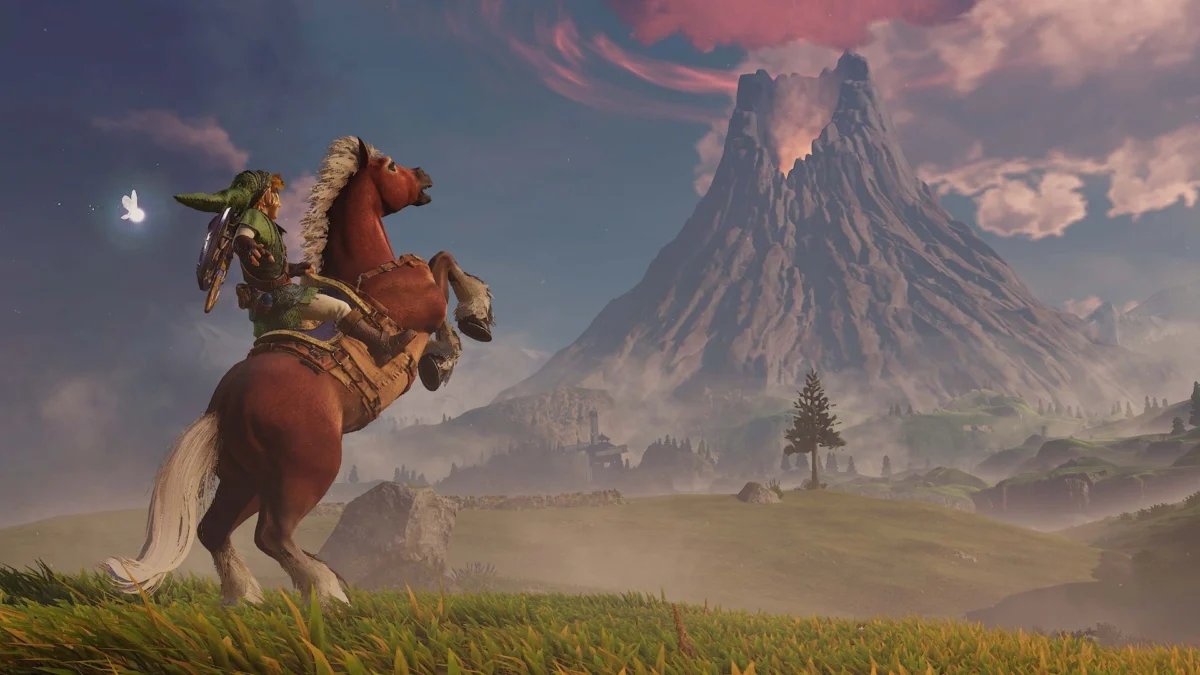
When The Legend of Zelda: Ocarina of Time first graced the Nintendo 64 in 1998, it did more than just sell millions of copies; it fundamentally rewrote the DNA of 3D gaming. It introduced the world to "Z-targeting," established the gold standard for atmospheric dungeon design, and wove a narrative tapestry that continues to resonate decades later. Now, as Nintendo launches its highly anticipated Ocarina of Time remake on the Switch 2, the gaming community is faced with a singular question: Can a masterpiece be improved without losing its soul?
The early consensus, reflected in a stellar 96 on Metacritic, suggests the answer is a resounding "yes." Arriving on November 5, this reimagining is far more than a high-definition coat of paint. It is a comprehensive reconstruction of Hyrule, designed to bridge the gap between 1998’s technical limitations and modern gaming expectations.
The Evolution of Hyrule: A Chronology of a Masterpiece
To understand the weight of this release, one must look at the trajectory of the title. Originally developed by a team led by Shigeru Miyamoto, Ocarina of Time was the first Zelda title to transition into a 3D environment. Its development was a chaotic, high-pressure endeavor that pushed the N64’s hardware to its absolute breaking point.
- 1998: The original launch on Nintendo 64, which remains one of the highest-rated games in history.
- 2011: The 3DS remaster, which added stereoscopic 3D and refined UI elements, introducing the game to a new generation of handheld players.
- 2026: The definitive remake for the Nintendo Switch 2. This version represents the most significant overhaul in the franchise’s history, moving away from the "upscaled port" philosophy toward a total engine rebuild.
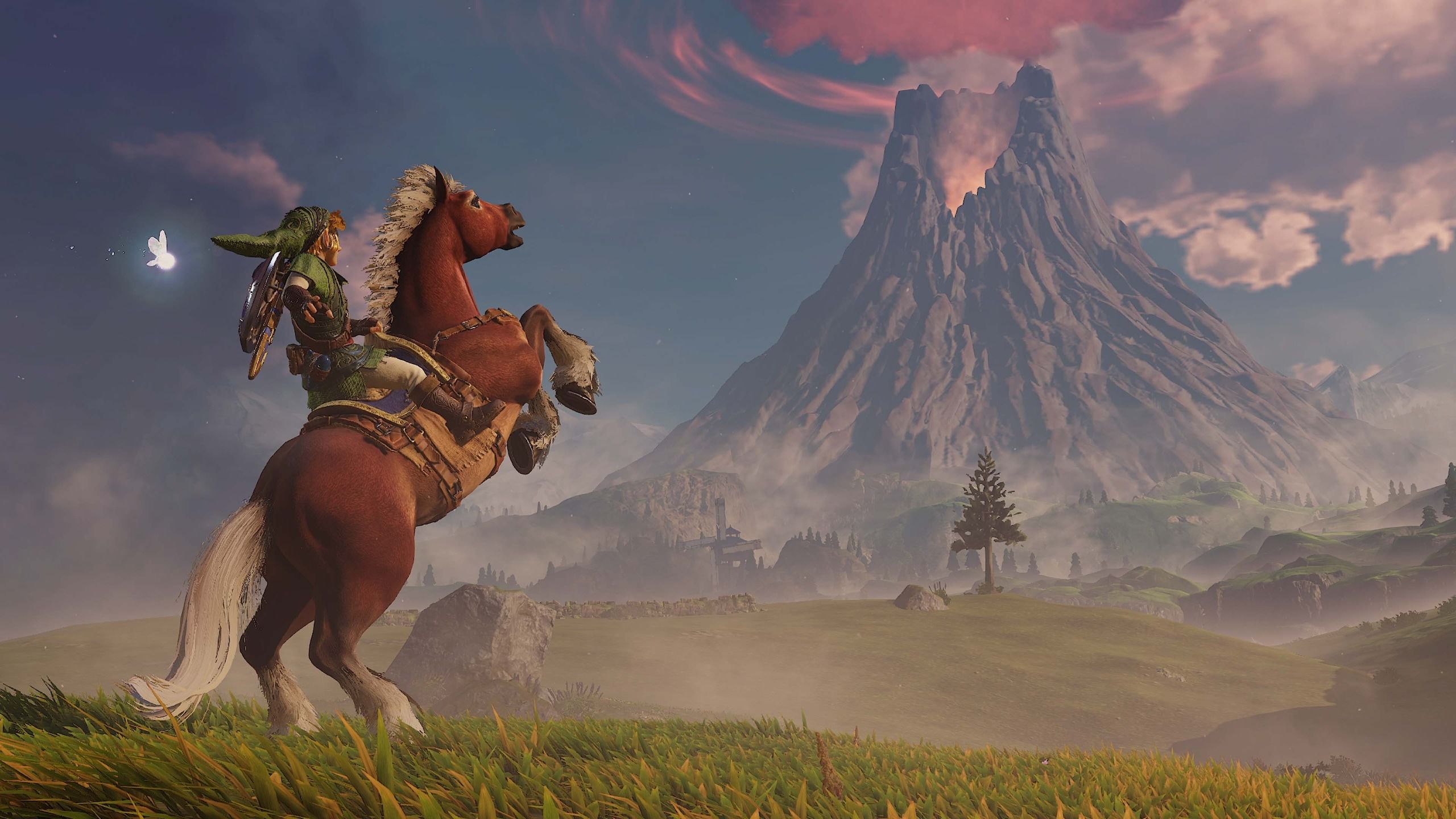
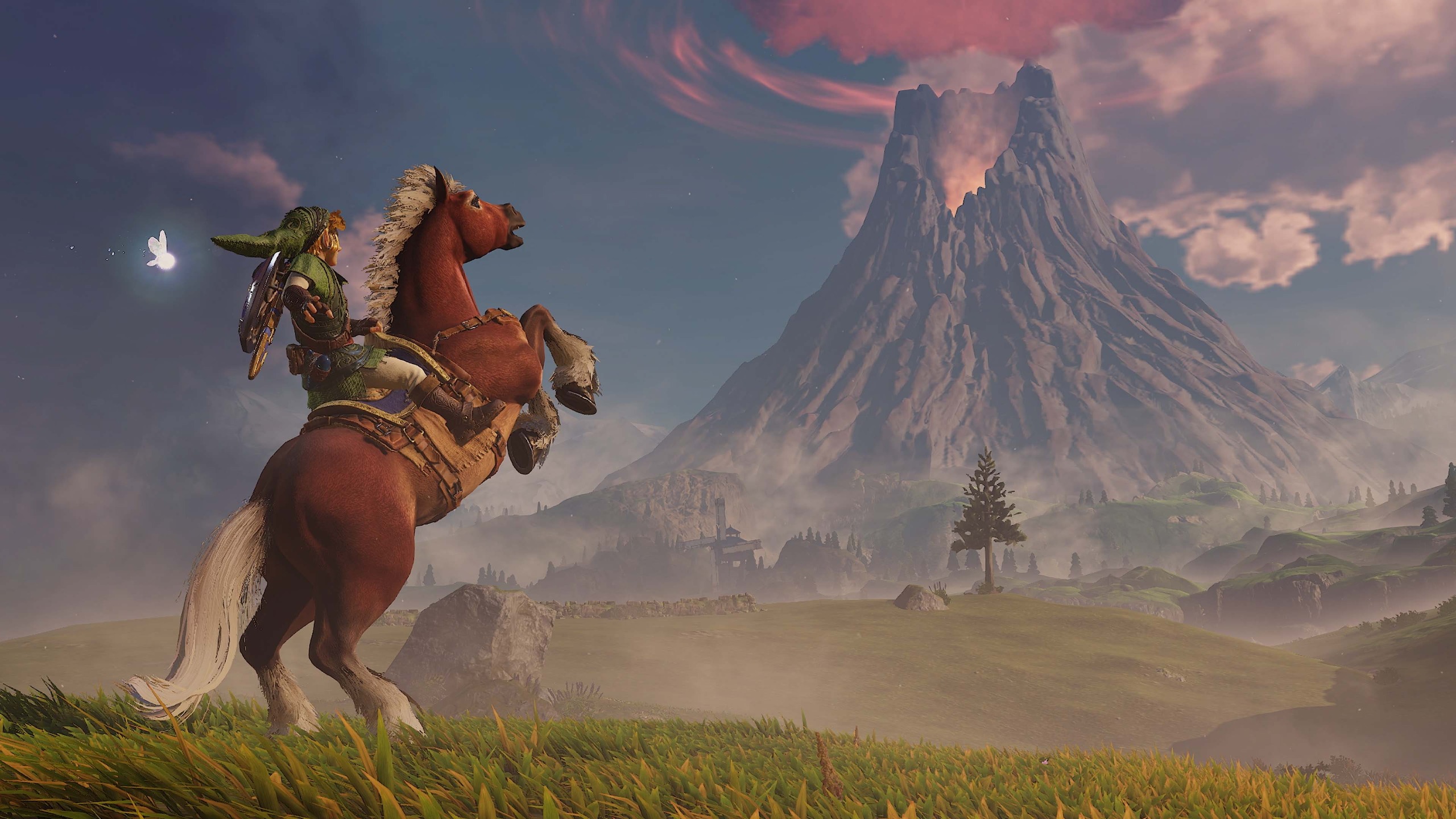
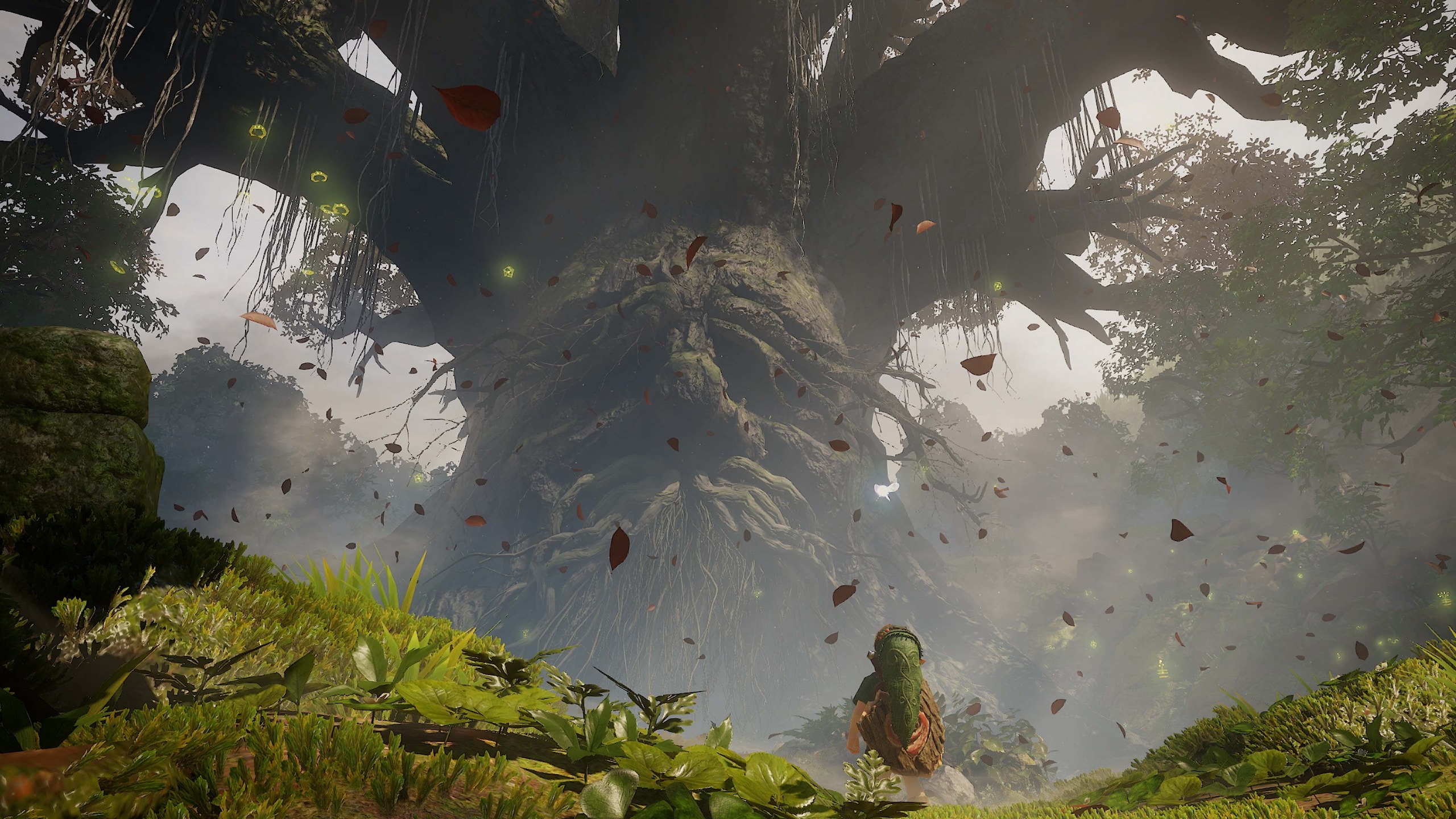
This latest version, built specifically to leverage the proprietary hardware capabilities of the Switch 2, replaces the aging polygonal models with a distinct, stylized aesthetic. As critic Keza MacDonald of The Guardian aptly noted, the game now possesses a "fairytale quality," where Hyrule feels like a meticulously crafted diorama, and Link appears as a high-fidelity, handmade doll. This artistic choice side-steps the "uncanny valley" trap, ensuring the game’s timeless charm remains intact while utilizing modern lighting and shadow techniques.
Beneath the Surface: Technical and Gameplay Enhancements
The transition to the Switch 2 has allowed Nintendo to address the "clunky" mechanics that often act as barriers for modern players. The remake introduces several quality-of-life adjustments that feel native rather than tacked on.
The New Mechanics
- Modernized Camera Control: Gone is the rigid, sometimes claustrophobic camera of the 90s. The new system provides fluid, player-driven control that complements the expanded view distance.
- Free Jumping: While the original relied on automated leaping, this remake allows for more player agency in movement, making traversal across Hyrule Field and complex dungeons feel significantly more responsive.
- Audio Overhaul: The iconic Koji Kondo score has been fully re-orchestrated. The symphonic swells of the Hyrule Field theme and the eerie, ambient tones of the Shadow Temple have been elevated with live instrumentation, adding a layer of sonic depth that was previously impossible.
- Expanded Narrative: Cutscenes have been fully voiced, adding weight to the emotional beats of the story. Notably, the character of Navi has been reimagined; she is no longer a persistent annoyance shouting "Hey! Listen!" but a more integrated companion whose guidance feels contextually relevant.
Critical Reception: A Consensus of Excellence
The critical response has been overwhelmingly positive, with reviewers praising Nintendo for resisting the urge to radically alter the game’s core identity.
GamesRadar+ awarded the title five stars, calling it "a remake for the ages." Reviewer Anna Koselke highlighted the delicate balance Nintendo struck: "They have brought Hyrule to life without losing the original’s charm. It is a masterclass in preservation."
Shacknews was even more effusive, awarding a perfect 10/10 and declaring the title "a tour de force that redefines what remakes can be." Their analysis suggests that the redesigned dungeons and combat loops—which feel faster and more intentional—create a new, exhilarating experience for veterans.
However, the reception is not without nuance. TechRadar and Game Informer both offered mild critiques regarding the game’s difficulty curve. By adding modern indicators and more intuitive puzzle solutions, some of the legendary challenge of the original has been softened. Furthermore, the absence of the "Master Quest" mode—a staple of previous re-releases—is a point of contention for hardcore fans who were looking for a more punishing experience.
The Strategic Importance of the Switch 2
The release of Ocarina of Time on the Switch 2 is a calculated strategic move by Nintendo. In an industry currently obsessed with photorealism and massive, open-world bloat, Nintendo is doubling down on "purposeful design."
The success of this remake, alongside the recent Star Fox reimagining and the ongoing Metroid updates, signals a clear shift in Nintendo’s software strategy. By curating a library that balances high-profile original titles with prestige remakes, Nintendo is creating a powerful incentive for players to subscribe to the Nintendo Online ecosystem.
Why This Matters for the Industry
The success of this remake proves that there is a massive market for "remastered heritage." It is not merely about cashing in on nostalgia; it is about ensuring that the foundational pillars of gaming history remain accessible. When a game from 1998 can still hold a 96 on Metacritic in 2026, it serves as a testament to the strength of the original design. Nintendo has essentially proven that the "Zelda formula"—the combination of discovery, mechanical progression, and atmospheric storytelling—is evergreen.
Looking Forward: A Future for the Past
As we spend time with the Switch 2 version, it becomes clear that this is the version of Ocarina of Time that will be referenced for the next twenty years. It successfully navigates the fine line between innovation and nostalgia. It is, for all intents and purposes, the definitive way to experience the legend.
The minor complaints—the lack of a "Master Quest" difficulty, or the simplified puzzles—are largely overshadowed by the sheer technical and artistic achievement on display. For the generation that grew up with the N64, it is a return to a beloved home. For those experiencing it for the first time, it is an entry point into the most important series in gaming history.
Ultimately, The Legend of Zelda: Ocarina of Time on Switch 2 is not just a game; it is a monument. It stands as a reminder that when you strip away the technological bells and whistles, what remains is a perfect adventure. Whether you are a veteran of the Water Temple or a newcomer to the land of Hyrule, this is a title that demands to be played.
As the release date of November 5 approaches, the hype is well-founded. Nintendo has not just reminded us why we loved this game; they have reminded us why we love the medium itself.
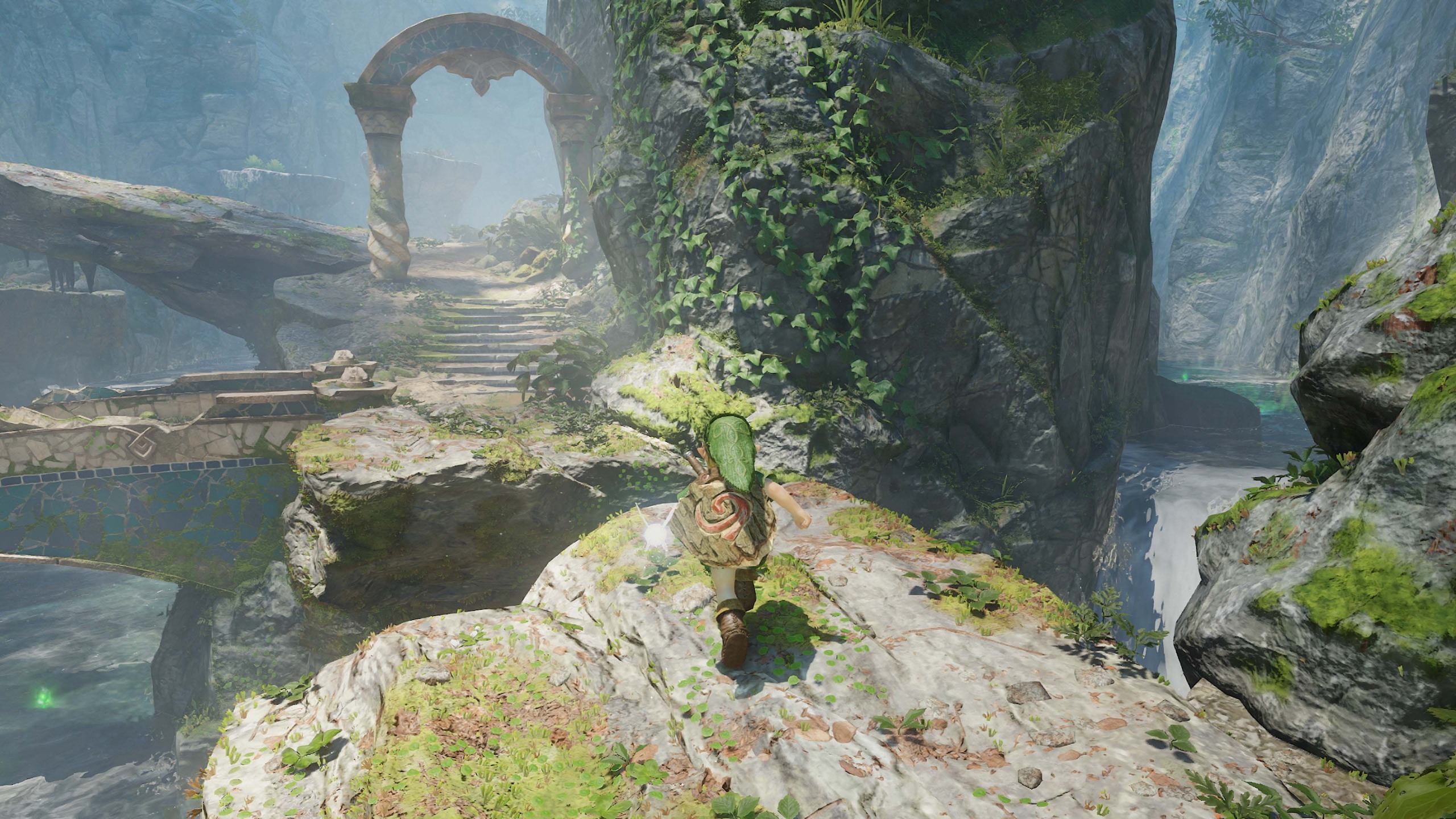
The Legend of Zelda: Ocarina of Time launches on Nintendo Switch 2 on November 5. Players are encouraged to check their local retailers or the Nintendo eShop for pre-order details and special bundle offers.