
For many parents, the annual county fair is a gauntlet of sensory overload: deep-fried treats, dizzying rides, and a constant, persistent pull toward the nearest gift stall. However, for one Vermont family—the creators of the financial blog Frugalwoods—these chaotic outings are transformed into high-stakes laboratories for life-long financial education. With their children currently aged five and seven, the parents have moved beyond the abstract concept of an allowance, instead adopting a structured, "real-world" philosophy that treats money not as a taboo subject, but as a practical tool for personal agency.
The Foundation: A Clear Philosophy on Discretionary Spending
The core of the Frugalwoods approach lies in a strictly defined family money philosophy. At its heart is a simple, binary division of expenses: the "Needs" bucket and the "Wants" bucket.
Mom and Dad operate as the household’s primary financiers for all essential needs. This includes clothing, shelter, educational resources like books, healthcare, and baseline admission to cultural experiences. The parental mandate is clear: they provide the foundation—the museum ticket, the nutritious meal, the books from the library—but they do not fund the periphery.

If a child desires a souvenir, a secondary snack at a restaurant, or an item from a school book fair, they are required to leverage their own resources. This distinction prevents the entitlement trap and forces children to evaluate the value of an item against the effort required to earn the currency used to purchase it.
Chronology of Financial Maturity: From Labor to Ledger
The journey toward financial literacy for the Frugalwoods children follows a deliberate, developmental timeline.
- The Earning Phase: Children are introduced to the concept of fair market value through a chore-based system. Unlike a standard allowance, which is often distributed regardless of output, these payments are strictly transactional.
- The Execution Phase: Once the children have currency in hand, they are responsible for their own wallets. The parents emphasize that money is not an abstract concept maintained by adults; it is a physical item that must be managed, protected, and—most importantly—remembered.
- The "Debt" Lesson: A pivotal moment occurred at a previous county fair when a child wished to purchase a $13 toy while holding only $9. The parents introduced the concept of a "debt contract." The child could borrow the $4, but only under the condition that future chore payments would be garnished until the debt was satisfied. The ensuing frustration—the realization that working to pay for a toy already sitting on a shelf is significantly less rewarding than earning to buy something new—served as an visceral, indelible lesson on the true cost of borrowing.
Supporting Data: The Mechanics of the "Bank of Parental Units"
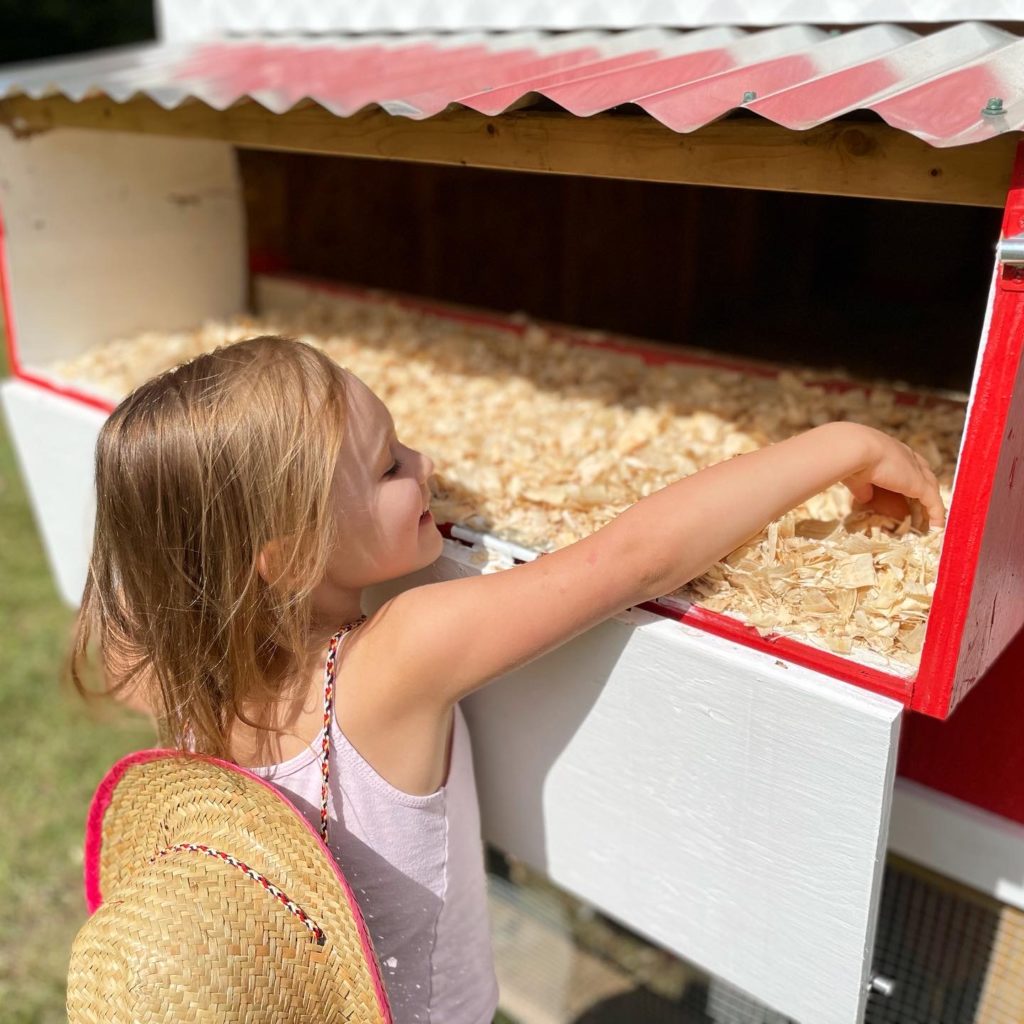
The system relies on a rigorous distinction between unpaid and paid labor. Daily tasks—making a bed, putting away personal laundry, or collecting eggs from the family chickens—are considered contributions to the family unit. These are unpaid because they are essential functions of communal living.

In contrast, "paid chores" are project-based. These include tasks that go beyond personal maintenance, such as organizing deep-storage kitchen cabinets or performing specialized cleaning. Payment is only issued upon completion of the task to a specific standard. The parents are open to negotiation; they encourage the children to pitch "bundles" of work to increase their earning potential, mirroring the process of freelance work or salary negotiation in the adult world.
The Real-World Application: Case Studies in Decision Making
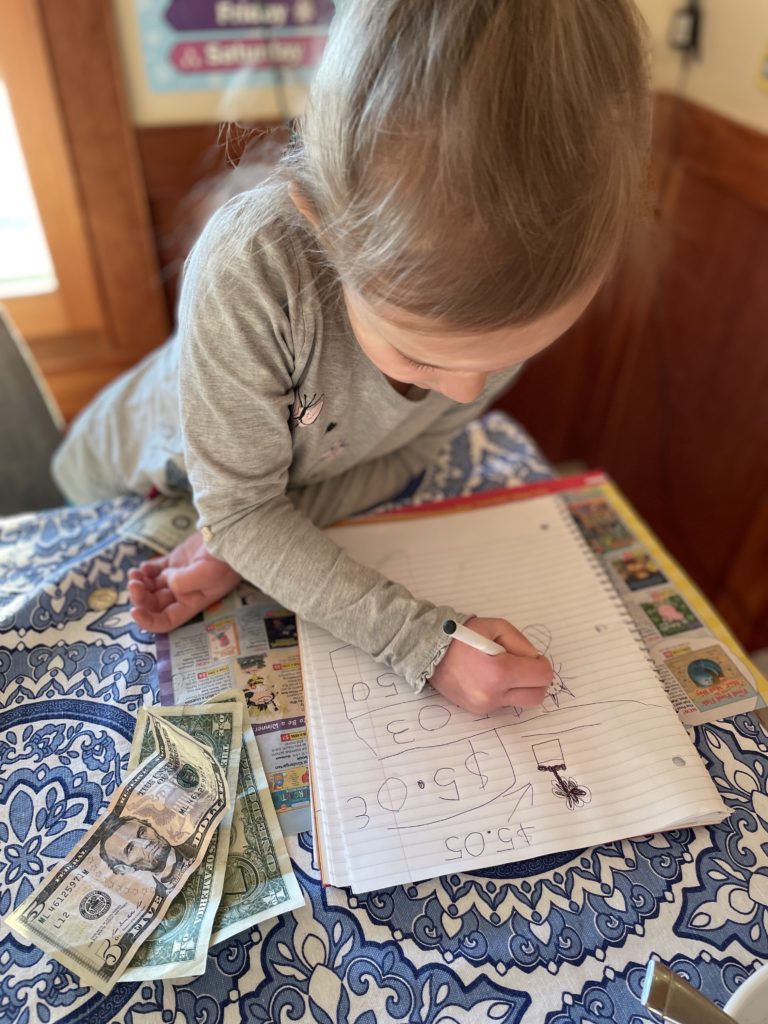
The effectiveness of this model is evidenced by the children’s evolving behavior. During a recurring local "Pizza Night," the eldest child moved from simply being a consumer to being a strategist. Initially, she paid for a $7 dessert, sharing it with her younger sibling. Over time, she recognized the inequity of the arrangement—that she was trading her labor for a treat that benefited someone else who hadn’t contributed.
This led to an important social and financial negotiation between the siblings. They agreed to split the cost, which then triggered a second, mathematical challenge: dividing $7 into two equal parts. By allowing the children to navigate these crises—including the near-loss of a wallet at a museum, which taught them the reality that lost money is rarely recovered—the parents are fostering resilience and situational awareness.
Official Perspectives: Demystifying the "Adult World"
The Frugalwoods approach is rooted in the belief that financial anxiety in children often stems from mystery. By explaining that "Mama works to earn money, which is then used to buy groceries," they strip away the facade of infinite resources.
A telling anecdote involves the eldest daughter writing a book about her mother’s career. Her summary—"She helps people with their money. The meetings are boring but important. They drink coffee. They are serious but kind"—proves that the child understands the fundamental nature of professional labor.
The parents argue that by being transparent about these facts, they remove the shame and confusion often associated with household finance. They do not burden the children with complex investment strategies or the stress of the mortgage, but they do ensure the children view money as a neutral tool—a mechanism for exchange rather than a marker of character or happiness.
Implications for Future Financial Development
As the children grow, the family plans to introduce the concept of long-term savings and interest. The proposed "Bank of Parental Units" will offer interest on saved funds, a transition from the current "spend-everything-you-earn" model.
The implications of this early-childhood training are significant:
- Reduction of Impulse Spending: By forcing children to handle their own physical money, the parents have created a "friction" layer that forces a pause between desire and purchase.
- Internalization of Opportunity Cost: When a child realizes that an hour of cleaning cabinets is equivalent to the price of a dessert, they naturally begin to prioritize their wants.
- Ownership of Consequences: Whether it is the pain of debt or the panic of a lost wallet, the children are experiencing the natural consequences of financial management in a controlled environment.
Conclusion: The Path Forward
The Frugalwoods philosophy represents a shift away from "allowance as a gift" and toward "allowance as a wage." By treating their children as junior partners in the family’s economic life, the parents are equipping them with a level of financial literacy that most adults do not acquire until well into their twenties or thirties.

As the family prepares to introduce savings accounts and interest-bearing models, they remain committed to the core tenet of their parenting: money is a tool, and like any other tool—from a hammer to a bicycle—it is most effective when the user understands how it works, respects its power, and takes full responsibility for its maintenance. In a world where consumerism is the default, providing children with the ability to say "no" to themselves—or "not yet"—may be the most valuable inheritance they can provide.