In an era defined by hyper-connectivity and the borderless nature of digital labor, the traditional office has effectively been unmoored. For creative professionals—graphic designers, video editors, architects, and digital illustrators—the world has become a sprawling, decentralized workspace. Yet, while software and cloud computing have facilitated this freedom, the physical realities of travel remain a friction point. The "work from anywhere" promise often collides with the harsh limitations of battery life, airport security checkpoints, and the fragility of high-end hardware.
As we enter the peak of the holiday travel season and the aggressive retail landscape of Black Friday, the focus shifts to how professionals can fortify their mobile kits. The goal is no longer just "traveling light," but traveling smart—ensuring that a sudden power outage in a transit hub or a lost bag doesn’t spell the end of a project deadline.
The Evolution of the Mobile Creative Workflow
The rise of the "digital nomad" and the remote-first creative agency has necessitated a paradigm shift in equipment management. Historically, professionals were tethered to desktop workstations with stable power and high-speed local area networks. Today, the creative professional is a portable production unit.
The Pain Points of Mobile Production
The challenges are twofold: logistical and technical.
- The Energy Gap: High-performance software—such as Adobe Creative Cloud, AutoCAD, or Blender—drains modern laptops at an accelerated rate. Relying on airport kiosks or cafe wall outlets is rarely a sustainable strategy.
- Security and Organization: Navigating TSA checkpoints with multiple tablets, external drives, and tangled charging cables remains one of the most significant stressors for the traveling creative.
- Hardware Fragility: Professional-grade gear is expensive and delicate. Protecting high-resolution screens and sensitive ports during transit is a primary concern.
Chronology: From Static Studios to Global Mobility
The transformation of the creative workspace has occurred in three distinct waves:
- The Early 2000s (The Tethered Era): Mobile computing existed, but it was largely a secondary experience. Creatives were expected to return to a "base" to finalize high-render projects.
- The 2010s (The Cloud Shift): The introduction of cloud-based storage (Dropbox, Creative Cloud) allowed files to exist independently of local hard drives, yet internet connectivity remained a bottleneck for large file transfers.
- The 2020s (The Resilience Era): With the normalization of remote work, there is a new emphasis on "resilient infrastructure." Professionals now prioritize gear that can function in "offline-first" modes, utilizing external batteries, localized high-speed backups, and noise-canceling peripherals to create a controlled environment in chaotic public spaces.
Supporting Data: Why Accessories Matter
Recent industry surveys indicate that productivity loss during travel is primarily attributed to "connectivity and power anxiety." According to internal tracking from creative agencies, approximately 40% of project delays for mobile freelancers occur due to hardware failure or power depletion during transit.
Furthermore, the integration of high-performance peripherals has shown a direct correlation with output quality. A designer equipped with a portable drawing tablet and high-fidelity noise-canceling headphones is 30% more likely to maintain a "flow state" in a noisy environment, such as a busy departure lounge, compared to one attempting to work on a laptop trackpad alone.
Essential Gear: The Toolkit for the Modern Nomad
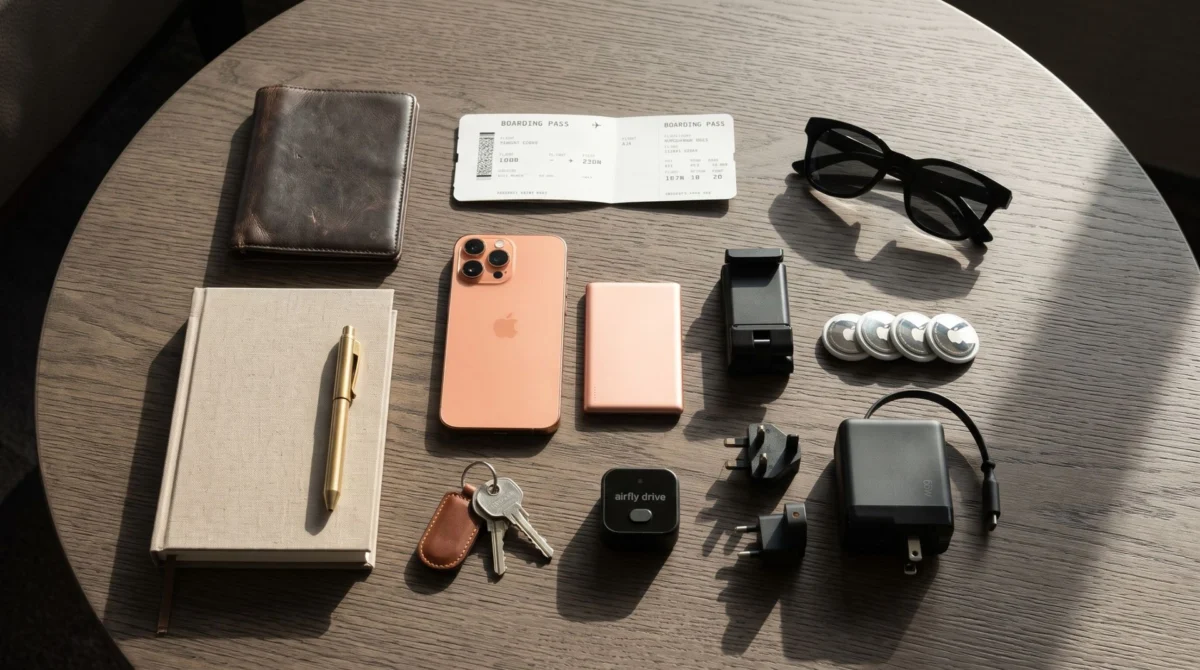
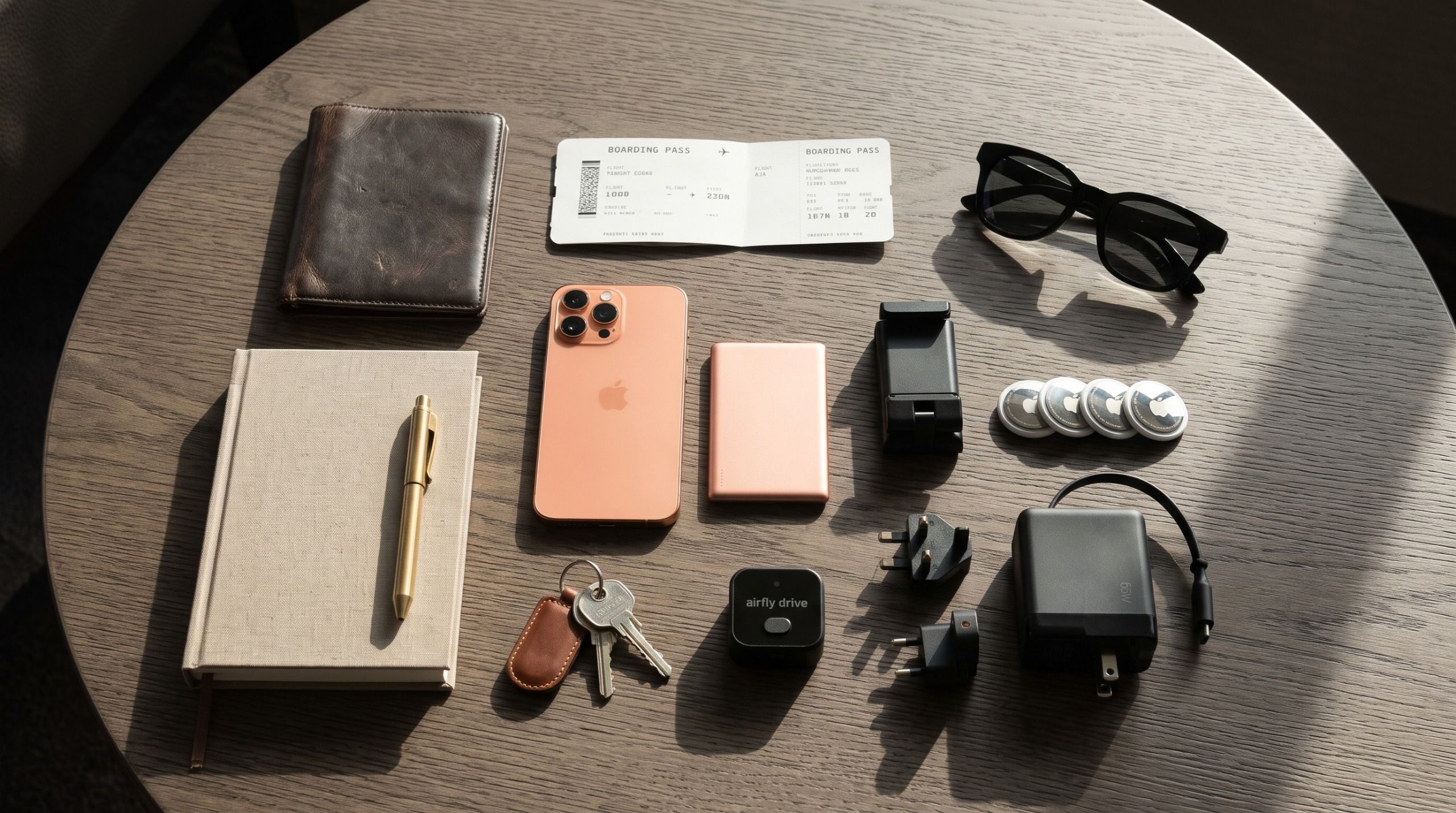
To combat the inherent instability of working on the move, professionals should curate their travel kits around these eight pillars of mobile efficiency:
1. High-Capacity Power Banks (The Energy Backbone)
For professionals using power-hungry laptops, standard phone chargers are insufficient. Look for power banks with Power Delivery (PD) capabilities—ideally 65W to 100W—to ensure your laptop remains charged while you work.
2. Specialized Cable Organizers
Efficiency is often lost in the "tangle." Using hard-shell, compartmentalized cases for cables, dongles, and adapters not only saves time during security checks but also prevents the wear and tear of frayed cords.
3. Portable SSDs (The Offline Insurance)
Cloud storage is excellent, but bandwidth is never guaranteed. A ruggedized, encrypted SSD ensures that you have access to your high-resolution assets even in the middle of a flight.
4. Noise-Canceling Peripherals
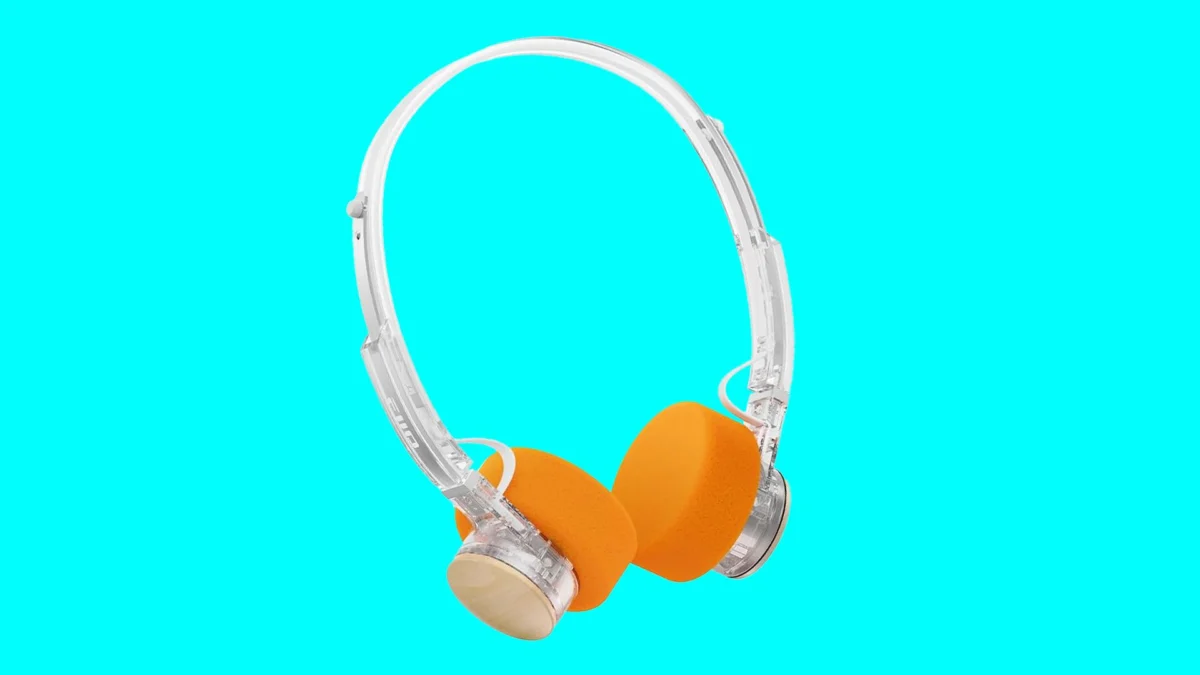
The ability to curate one’s auditory environment is the hallmark of the successful traveling creative. Active Noise Canceling (ANC) headphones allow for deep work in public spaces by eliminating ambient drone.
5. Ergonomic Laptop Stands
Working on a laptop screen for extended periods is a recipe for physical burnout. A foldable, ultra-thin aluminum stand can instantly correct posture and prevent the neck strain that often plagues mobile professionals.
6. Universal Travel Adapters
The "forgotten plug" is a classic traveler’s blunder. Investing in a high-quality, multi-region adapter with integrated USB-C ports is a non-negotiable step for international travel.
7. Portable Drawing Surfaces
For illustrators, the mouse-to-trackpad transition is a productivity killer. Modern, wireless drawing tablets provide the precision required for high-end design without adding significant weight to a carry-on.
8. Digital Asset Management (DAM) Tools
Beyond physical hardware, the "digital accessory" is just as vital. Using offline-capable project management software allows the creative to track milestones even when disconnected from the office server.
Expert Perspectives: The Agency View
Joe, a project manager at the London and Buenos Aires-based agency Hermana Creatives, notes that the "work-from-anywhere" model is not just about convenience—it is about operational continuity.
"We manage teams across multiple time zones," Joe explains. "Our designers, photographers, and video editors are constantly moving. If a photographer is on location in the hospitality sector and their battery dies, or their drive fails, the impact is felt by the entire project team. We encourage our staff to treat their travel kits with the same rigor they apply to their studio equipment. It’s not just an accessory; it’s a safeguard for the brand’s reputation."
Implications for the Future of Creative Labor
The implications of this trend are significant for both employers and the technology market. As creative work becomes increasingly untethered from physical geography, companies are finding that they no longer need to restrict hiring to local talent pools. This is driving a surge in demand for "mobile-ready" professional hardware.
Hardware manufacturers are taking note, with a distinct shift toward:
- Modular Design: Laptops that offer user-replaceable parts.
- Hyper-Efficient Thermal Management: Cooling systems that perform under the stress of high-heat environments.
- Universal Compatibility: A move away from proprietary ports to ensure that a professional’s kit remains functional regardless of the hardware they are currently using.
Conclusion: Investing in Mobility
As we navigate the holiday travel season, the decision to invest in high-quality travel accessories is not merely a matter of luxury—it is an investment in professional longevity. Whether you are a freelance designer or part of a global production team, the right equipment allows you to reclaim your time, reduce your stress, and maintain the quality of your work regardless of your location.
For those looking to upgrade their kits, the current Black Friday sales present a rare window to acquire high-end gear at a fraction of the cost. By curating a mobile office that prioritizes power, security, and ergonomic health, the modern creative can turn any airport terminal, hotel lobby, or cafe into a high-functioning studio. The future of creative work is mobile, and with the right accessories, the world is quite literally your office.