For many, the cycle of impulsive spending feels like a personal failure of willpower. You decide, usually on a quiet Sunday morning, that this month will be different. You resolve to tighten the budget, cancel the frivolous subscriptions, and stop the late-night scrolling that inevitably ends in a confirmation email. Yet, by Thursday at 11:00 p.m., the resolve has evaporated. You are back on your favorite retail app, a saved credit card makes the transaction seamless, and a red banner counting down the minutes until a flash sale expires creates a synthetic sense of urgency.
In eleven seconds, the decision is made. You haven’t failed because you are careless with money; you have failed because your "general" resolution was never designed to compete with the highly engineered environment of the modern digital storefront.
The Architecture of the Purchase: Why Your Resolve Never Stood a Chance
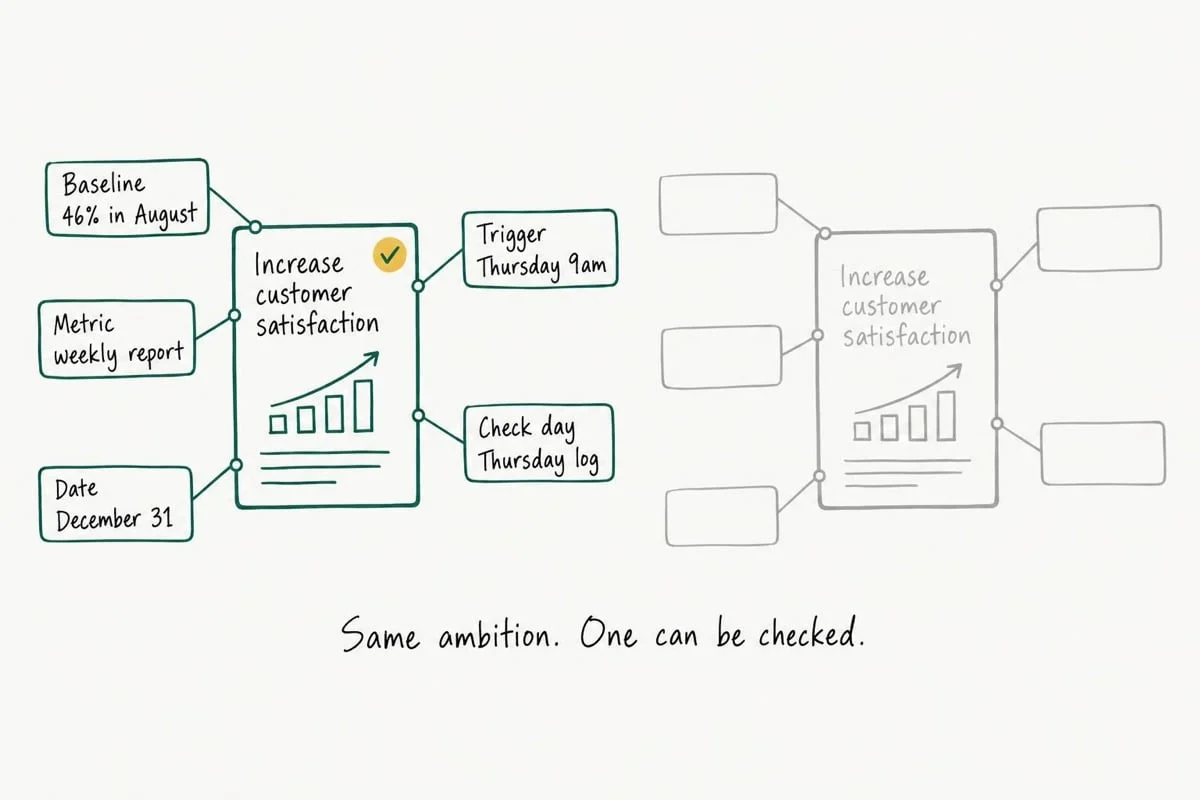
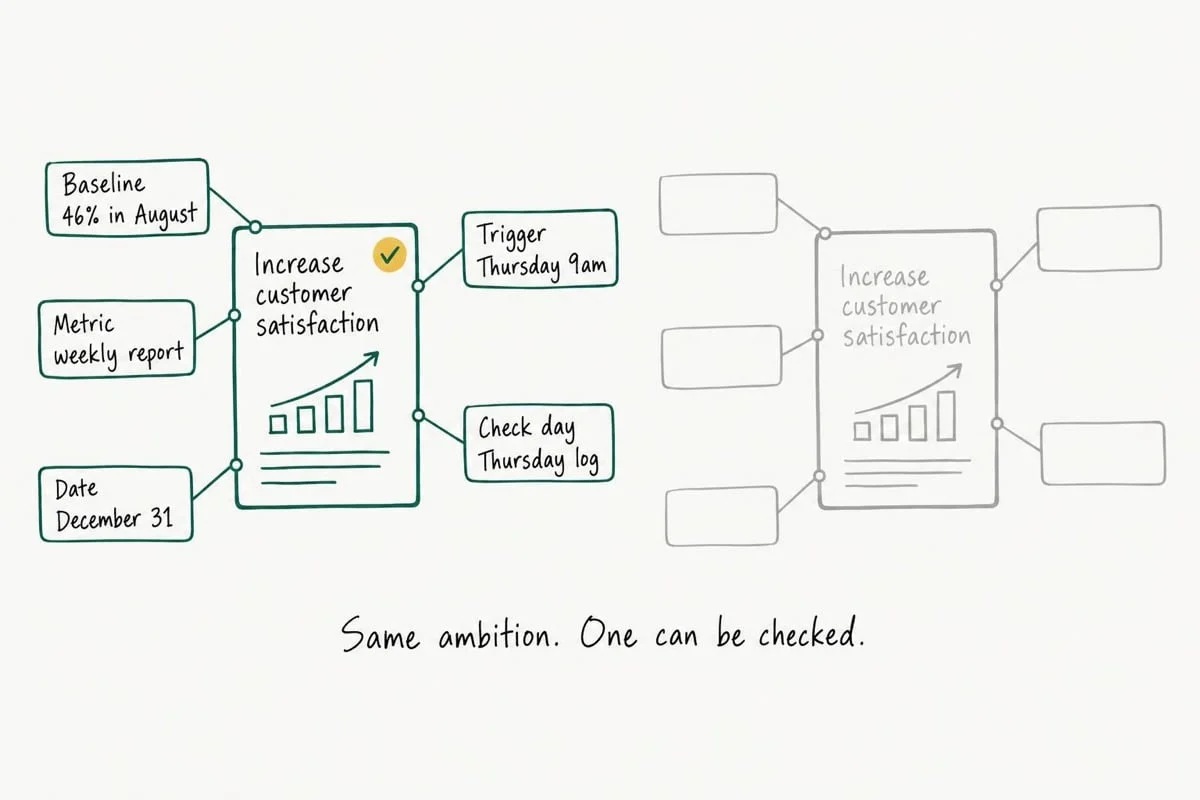
The fundamental disconnect in most personal finance advice is that it treats impulse buying as a character flaw rather than a tactical vulnerability. When you resolve to "spend less," you are making a vague, high-level declaration. Conversely, the retail industry is hyper-specific. They have spent billions of dollars optimizing the "path to purchase."
Modern e-commerce is built on the systematic removal of friction. Saved payment methods, one-tap checkout, and expiring discount banners are not features—they are psychological traps designed to minimize the time between the desire for an object and the possession of it. By the time your brain has a chance to perform a cost-benefit analysis, the purchase is already confirmed.
Most conventional advice—such as "wait 24 hours," "use cash," or "make a list"—often fails because it is untethered from the specific environment where your spending occurs. These tips are aimed at a theoretical shopper, not the specific version of you who is exhausted, bored, or stressed at the end of a long day.
A Chronology of the Habit: Tracking the Patterns
To break the cycle, you must stop looking at your bank account as a ledger of shame and start viewing it as a diagnostic tool. Your credit card statement from the last 30 days is a precise record of your behavioral patterns.
Phase 1: The Audit (The First 20 Minutes)
Before implementing any new rules, you must conduct a 30-day audit. Open your digital statements and order history from your two most-frequented platforms. Identify every purchase you would not have included on a shopping list written that same morning. For each item, note four variables:
- The exact dollar amount.
- The date and time.
- The specific platform or location.
- Your emotional state or activity (e.g., "bored," "stressed," "late-night scrolling").
Phase 2: Identifying the Cluster
Once the data is mapped, you will likely see "bunching." Perhaps six of your ten impulsive purchases occurred after 10:00 p.m. This isn’t a lack of discipline; it is a manifestation of decision fatigue. By the end of the day, your cognitive resources are depleted, making you more susceptible to the "one-tap" convenience offered by your phone.
Supporting Data: What the Research Tells Us
While much of the common wisdom regarding spending is anecdotal, recent studies provide a clearer picture of the triggers that drive consumer behavior.
The Science of Urgency
A 2025 study published in Current Psychology explored the impact of "scarcity appeals"—countdown timers and low-stock warnings. The research confirmed that these cues significantly heighten the consumer’s fear of missing out (FOMO). Importantly, the study noted that "anticipated regret" acts as a double-edged sword; while it can sometimes deter spending, in the digital marketplace, it is frequently used to accelerate the checkout process by making the user feel that hesitation is a mistake.

The "Sadness Effect" on Pricing
The link between mood and spending is well-documented. A 2018 study in PLOS ONE by researchers Garg, Williams, and Lerner examined the "sadness effect." They found that individuals in a sad emotional state were willing to set significantly higher prices for goods than those in a neutral mood. While stress and boredom are often cited as catalysts, the research specifically highlights how our emotional landscape distorts our perception of value.
The Role of Tracking
In a study published in the Journal of Financial and Quantitative Analysis, researchers analyzed the impact of tracking, budgeting, and reflection among students. While the study could not isolate "tracking" as the sole variable, it found that combining these methods led to a measurable reduction in unnecessary entertainment spending. This supports the notion that the act of observing one’s own behavior is, in itself, an intervention.
Implications: The Four-Step Strategy
If you want to stop impulse buying, you must move from abstract vows to concrete, environment-based rules.
1. Define the Trigger
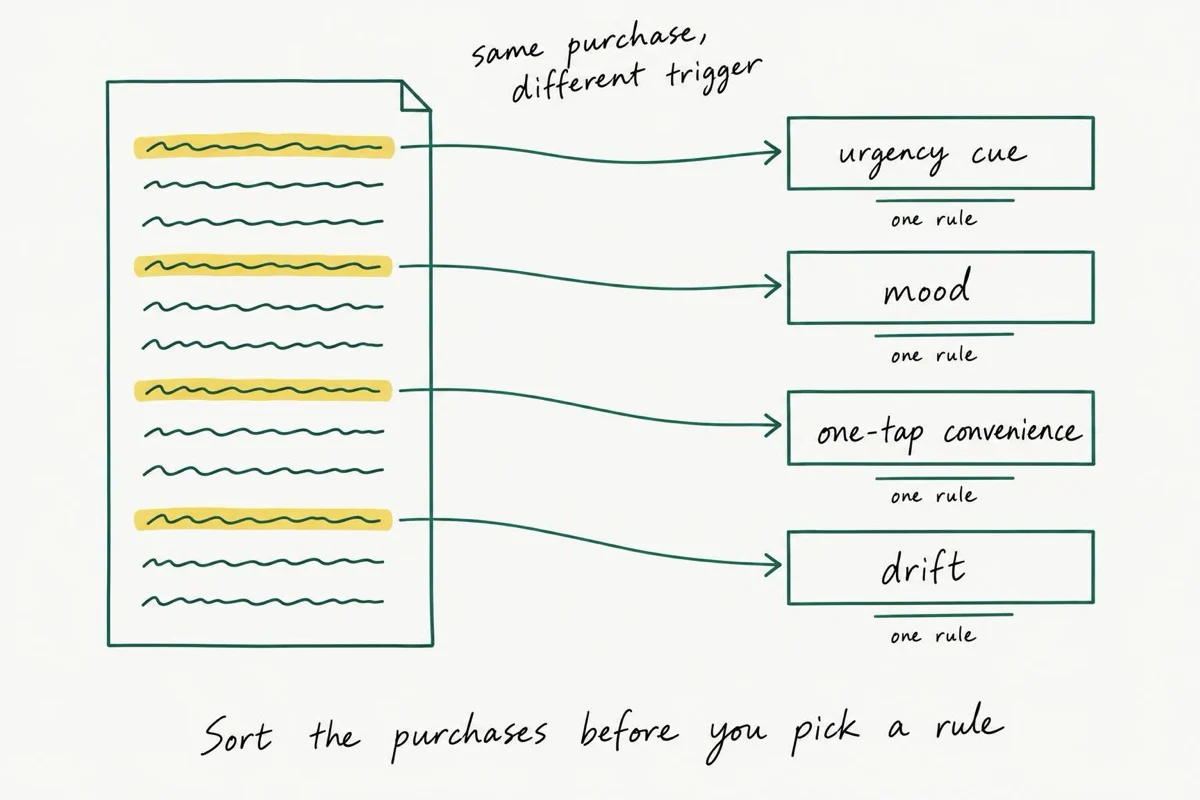
Classify your identified purchases into four distinct categories:
- Urgency: The "flash sale" or "only 2 left" countdowns.
- Mood: The purchases made during specific times of emotional distress or boredom.
- One-Tap Convenience: Purchases made because your card info was saved and the app was open.
- Drift: Entering a store or app without a specific target, simply "browsing."
2. The Rule-Setting Protocol
For each trigger, create a rule that lives at the point of sale:
- For Urgency: Delete the app and unsubscribe from promotional emails. If you see a countdown, manually close the tab. If you still want the item in 48 hours, buy it at full price.
- For One-Tap Convenience: Remove your saved credit card information from the browser and the app. You must force yourself to physically retrieve your wallet, which creates the necessary friction to pause and reconsider.
- For Mood: Replace the shopping habit with a "two-minute reset." If you find yourself browsing while stressed, have a pre-planned, non-monetary action—such as stepping outside or engaging in a quick physical task—ready to perform.
- For Drift: Establish a "list-only" policy. If an item is not on the list, you are not allowed to open the app or enter the store.
3. The Two-Week "Stop Rule"
Set a calendar appointment for two weeks from now. Re-run your audit. If you have broken the same rule twice, it is not because you are weak; it is because the rule is poorly calibrated for your specific habits. Swap it, don’t stack it. Replacing a failing rule with a simpler one is more effective than adding more complex, frustrating layers of restriction.
When to Seek Professional Support
It is crucial to distinguish between the occasional, inconvenient lapse in spending and compulsive buying disorder (CBD). As noted in World Psychiatry by Dr. Donald Black, compulsive buying is characterized by persistent, excessive shopping thoughts that lead to real-world distress, impairment, and significant debt.
If your spending feels like an uncontrollable compulsion rather than a series of lapses, or if it is causing significant damage to your relationships and financial stability, these tactical rules will not be sufficient. In such cases, the impulse to buy is a symptom of an underlying psychological issue that requires the intervention of a mental health professional. The prevalence of this condition is estimated at roughly 4.9% of the adult population, and it is a serious matter that necessitates more than a budgeting tip.
Conclusion: Start with the Record, Not the Resolution
The most effective way to change your financial habits is to stop treating your spending as a mystery. By taking twenty minutes to analyze your last 30 days of transactions, you strip away the confusion and reveal the mechanical triggers of your habits.
You do not need a new budgeting app, and you do not need a vow of austerity. You need a system that places obstacles exactly where the impulse lives. When you move the decision-making process from the "post-purchase" phase—where you feel regret—to the "pre-purchase" phase—where you have the power to close the tab—you reclaim control over your own wallet. The goal isn’t to become a different person; it is simply to design a system that makes your best intentions easier to follow.