WASHINGTON — In an era dominated by digital distractions, cloud-based applications, and smartphone notifications, a surprising counter-trend continues to flourish: the tactile appeal of paper organization. Responding to a surging public demand for tangible productivity tools, lifestyle and organization platforms have rolled out their comprehensive collections of free, highly customizable printable calendars. Designed to accommodate everything from high-level corporate goal setting to chaotic household management, these multi-format resources aim to bridge the gap between digital convenience and physical execution.

Main Facts: The Anatomy of the 2027 Printable Calendar Suite
The newly released suite of printable resources centers heavily on flexibility, catering to diverse planning preferences across global demographics. Recognizing that no two planners operate alike, publishers have abandoned the traditional "one-size-fits-all" model.
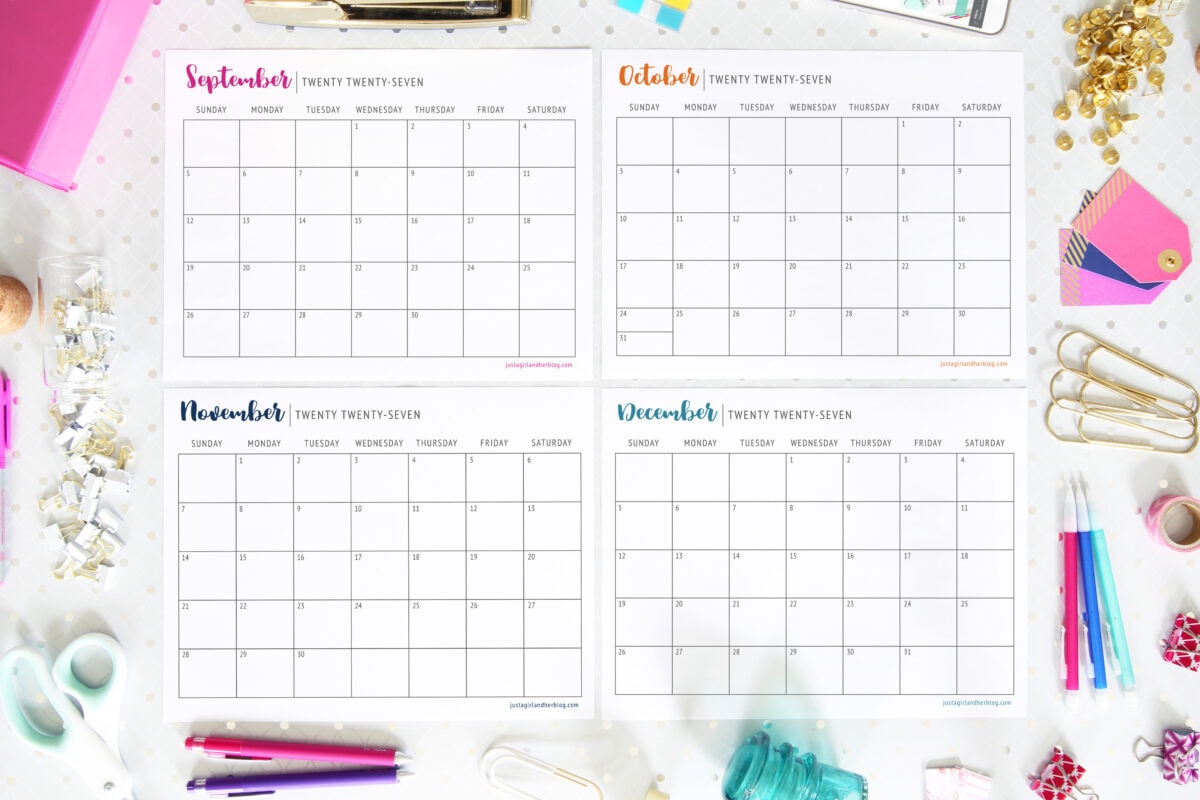
Key features of the newly launched 2027 calendar collection include:
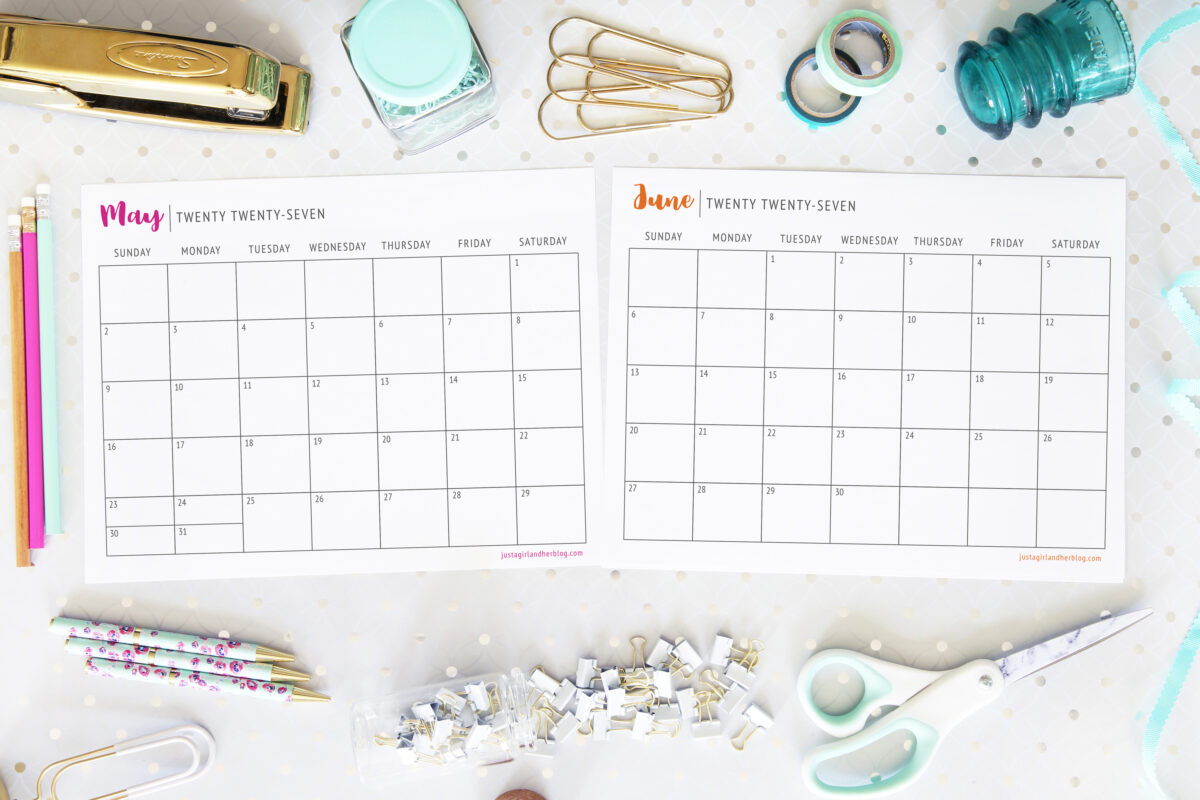
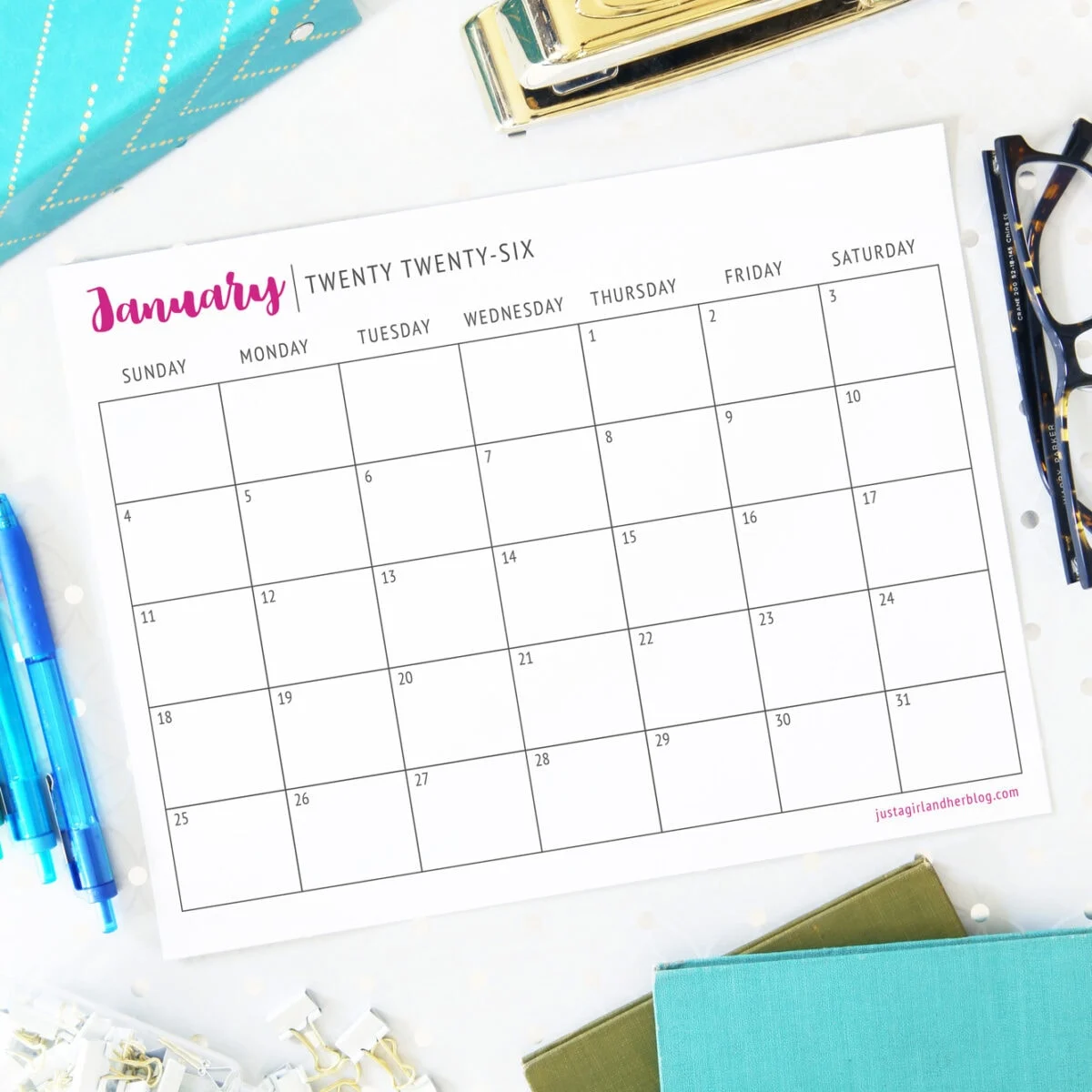
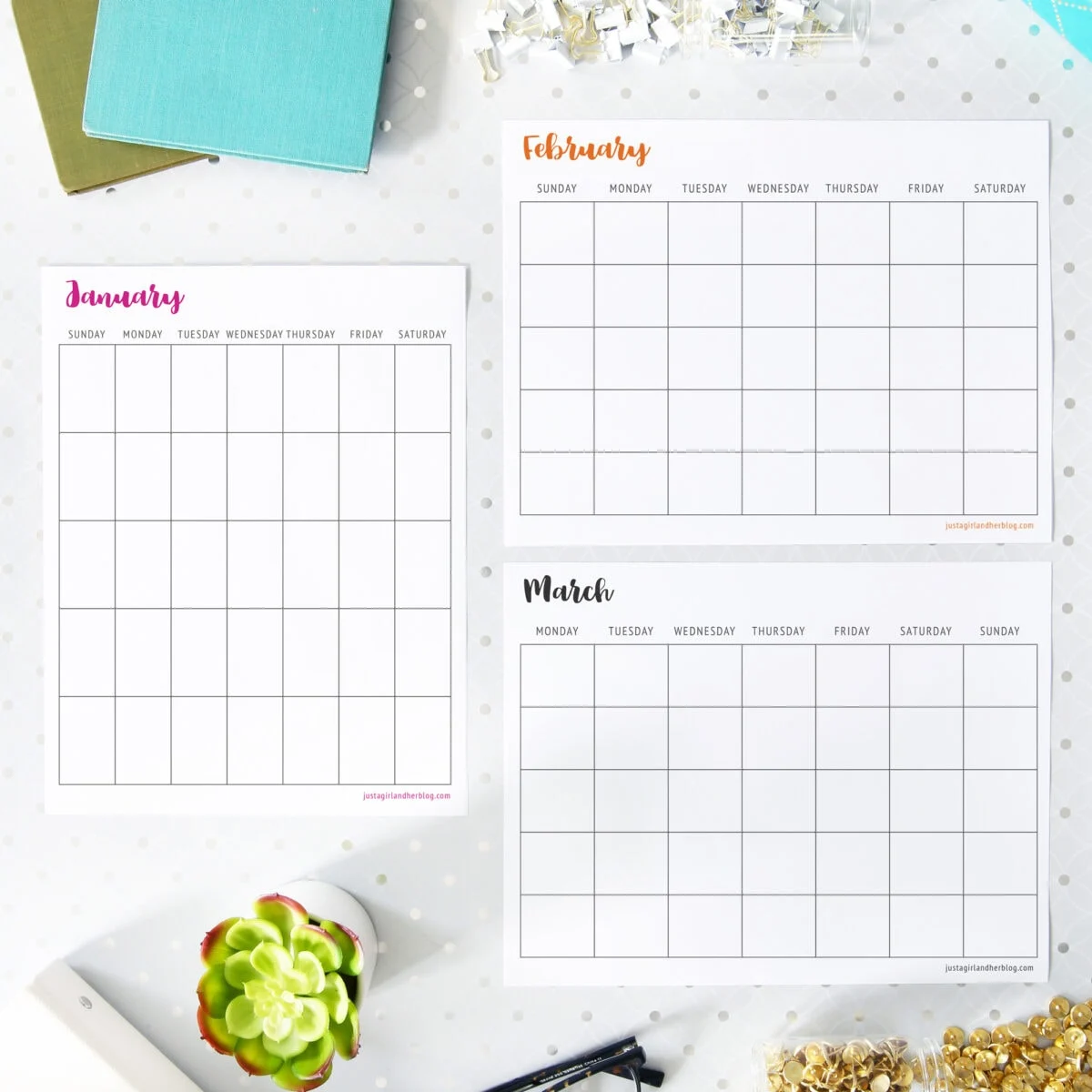
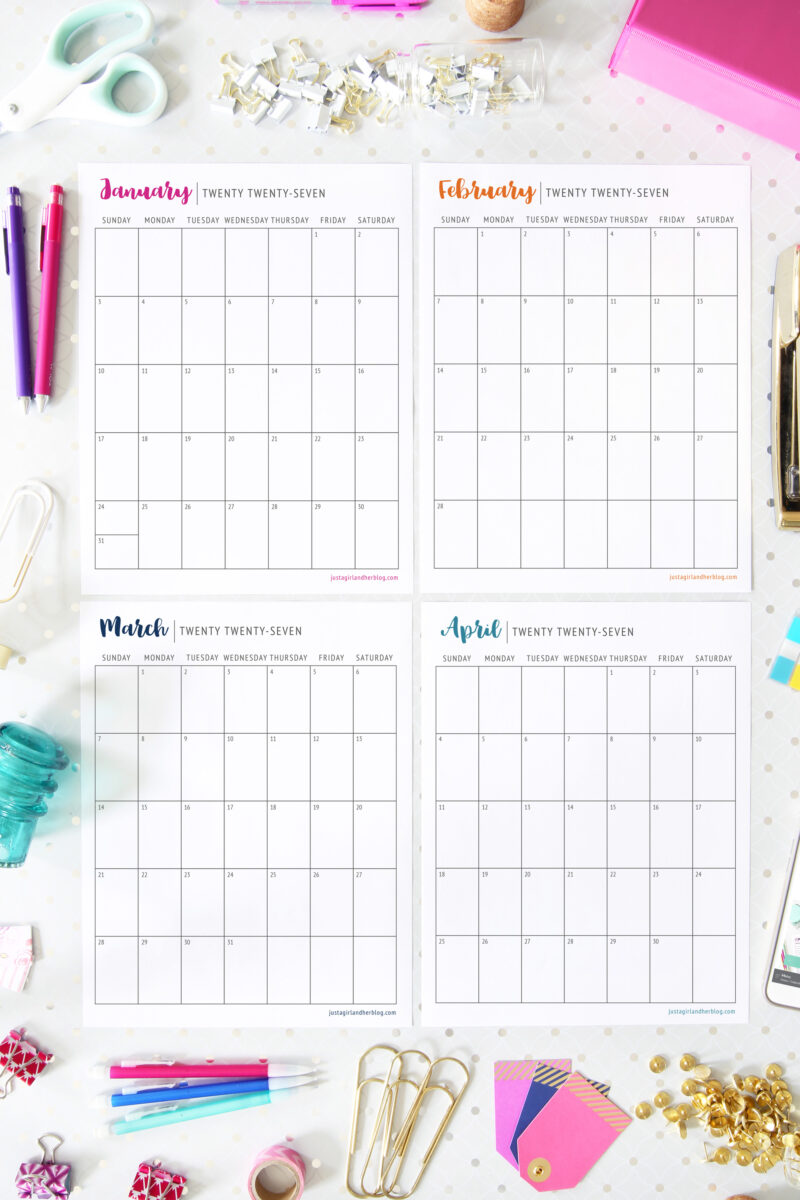
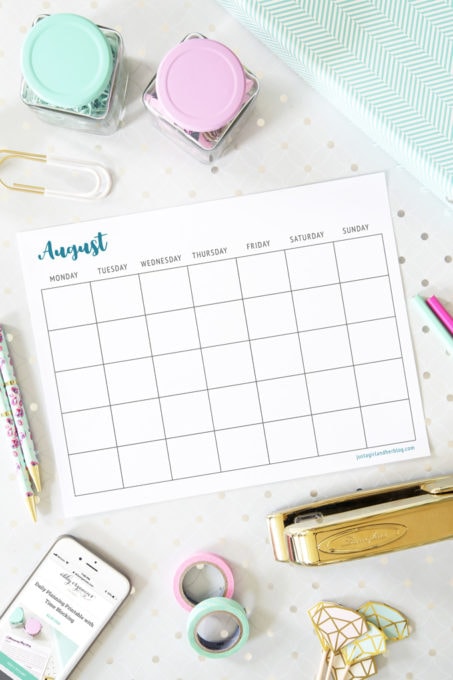
- Dual Orientation: Full support for both landscape (horizontal) and portrait (vertical) layouts, optimizing the sheets for desktop display or binder insertion.
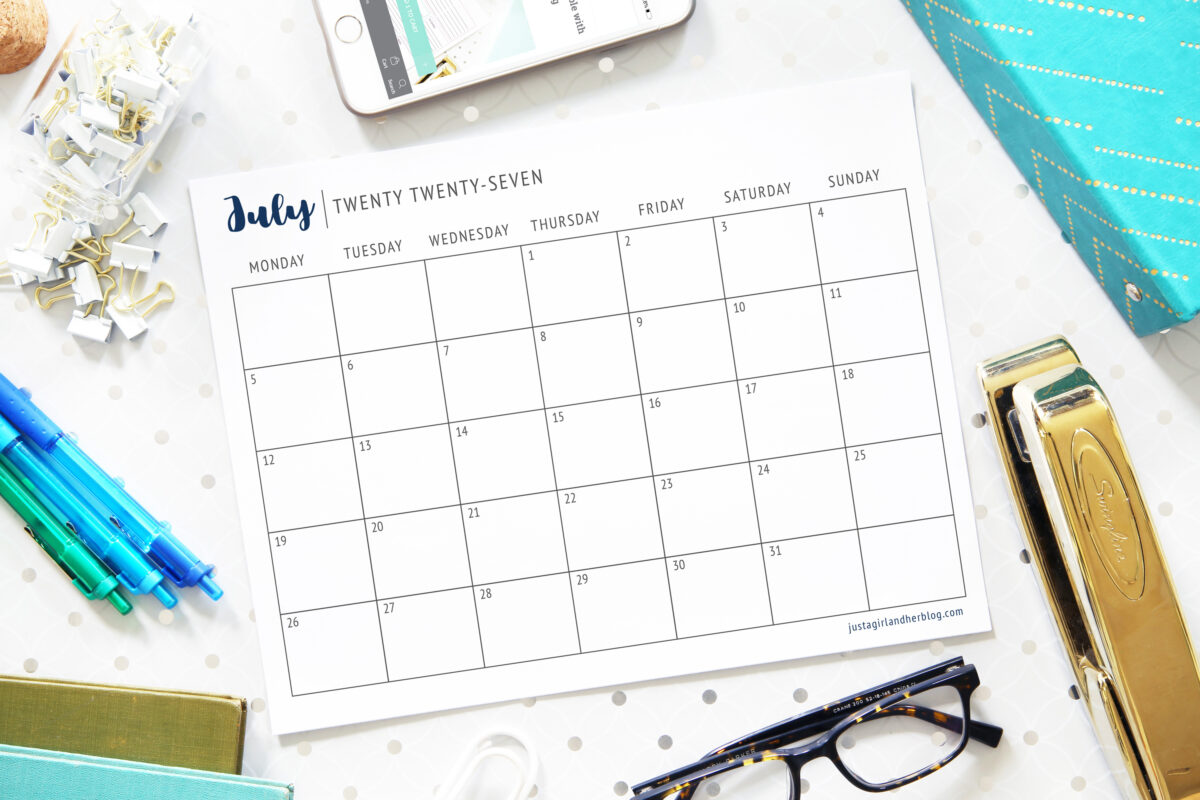
- Flexible Week Starts: Options for both traditional Sunday starts (predominantly favored in the United States) and Monday starts (widely utilized in academic, professional, and international environments).
- Dated and Undated Formats: Specific layouts for the 2027 calendar year alongside evergreen, undated variations that offer absolute freedom for long-term project mapping or retroactive planning.
- Zero-Cost Accessibility: Distributed digitally as high-resolution PDF downloads, removing financial barriers to personal productivity and time management.
Chronology: The Evolution of Paper Planning in a Digital Age
While digital calendars became ubiquitous over the past two decades, the pendulum has steadily swung back toward analog methods.
- Early 2010s: The initial rush toward smartphone-exclusive scheduling apps left many feeling disconnected from their daily routines, prompting niche bloggers and productivity experts to design basic, downloadable PDF planners.
- 2019–2021: As remote work expanded globally, demand skyrocketed for customizable workspace tools. Creators introduced specialized layouts, such as Monday-start grids for international teams and undated sheets to combat pandemic-era schedule disruptions.
- 2025–2026: User analytics and direct community feedback revealed a massive uptick in requests for niche variations—specifically portrait-oriented pages for ring-bound planners and specialized list-making spaces.
- Late 2026 / Present: Publishers officially deployed the complete 2027 infrastructure, providing an exhaustive catalog that combines aesthetic minimalism with functional rigor.
Supporting Data: Why Physical Planners Still Dominate
Cognitive science and productivity research consistently support the integration of physical writing into daily routines. While digital platforms excel at automated reminders, analog systems provide distinct psychological advantages.
Cognitive Retention and Goal Achievement
According to behavioral studies on motor learning and cognitive processing, the physical act of writing tasks down engages the brain’s reticular activating system (RAS), filtering important information and signaling heightened focus.
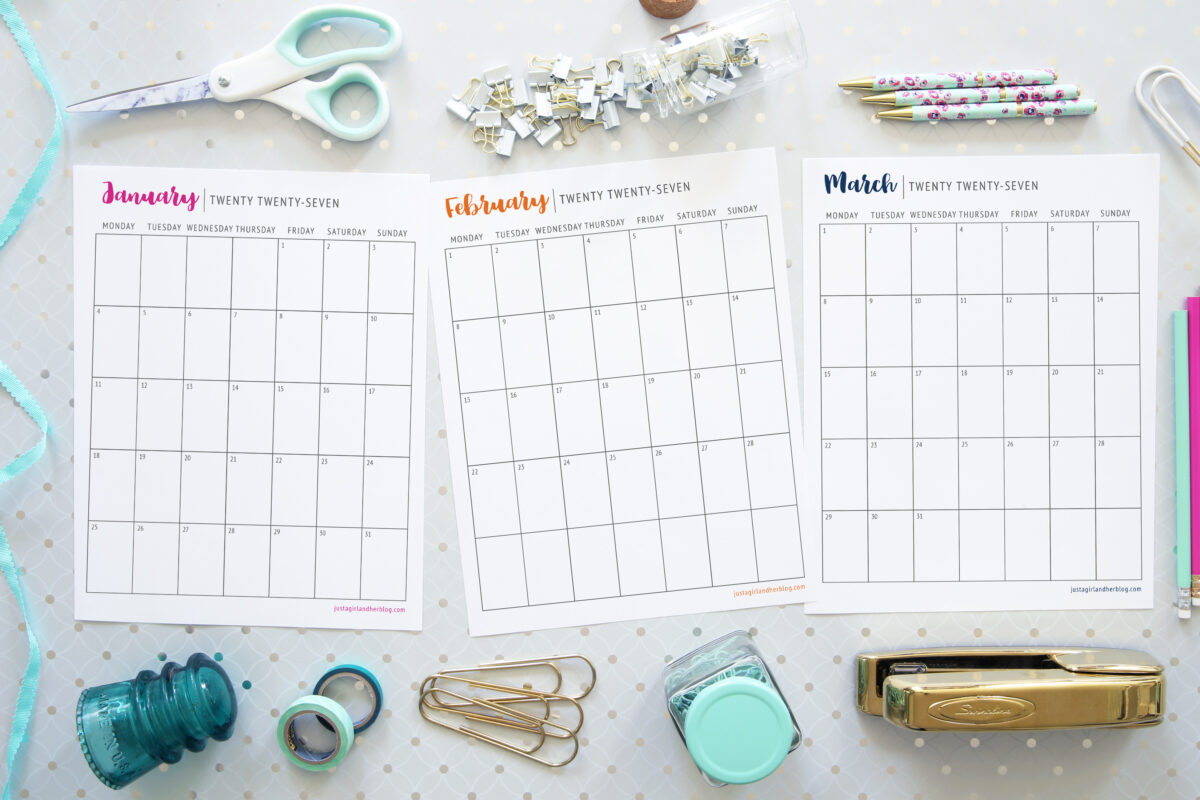
- Deconstruction of Goals: Experts note that individuals who break macro-goals down into manageable monthly and weekly steps on paper report higher completion rates.
- Visual Engagement: A printed calendar resting on a desk or clipped into a vertical binder provides passive, constant visual reinforcement of deadlines, reducing the likelihood of missed appointments.
- Customization Metrics: User surveys across prominent organization blogs indicate that over 65% of productivity enthusiasts prefer a hybrid model—utilizing digital notifications for time-sensitive alerts, but relying on physical monthly grids for overarching strategy, habit tracking, and goal milestones.
Official Insights: The Philosophy Behind Free Access
For creators and productivity advocates, keeping core organizational tools free of charge is a deliberate philosophical choice.
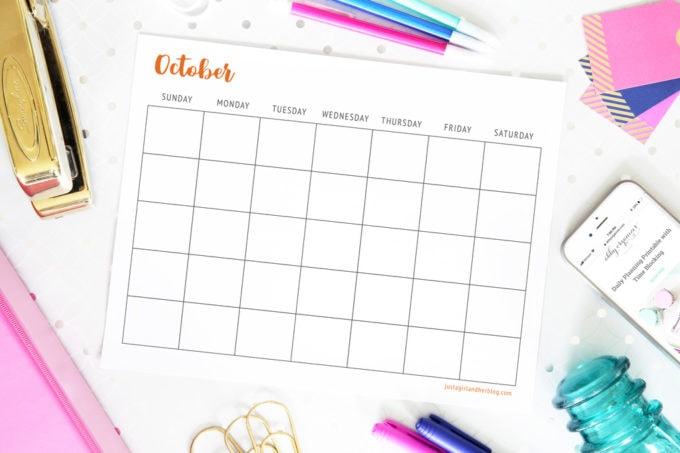
"When we plan in advance and break down our bigger goals into more manageable steps, we’re much more likely to succeed at what we set out to do," notes Abby Lawson, creator and organizer behind popular lifestyle resource Just a Girl and Her Blog. "Recently, I’ve been getting a bunch of requests for different variations—vertical calendars, undated layouts, and Monday starts. Who am I to deprive people of the tools they genuinely need to transform their routines?"
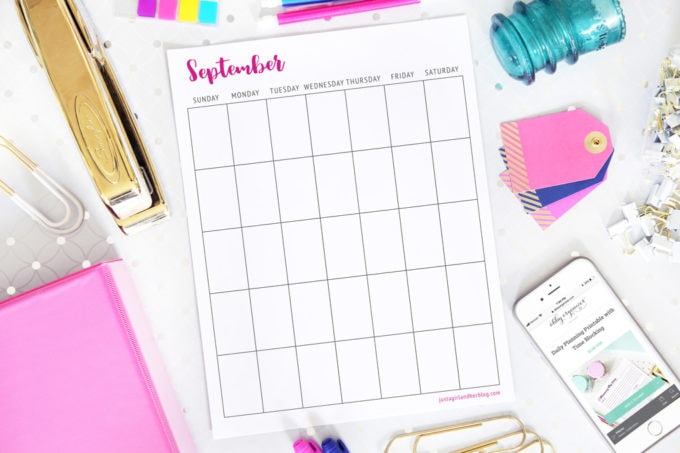
Industry experts emphasize that organization should not be locked behind subscription paywalls. By providing high-end, professionally designed printables at no cost, digital platforms empower households, students, and professionals to take control of their time without financial strain. Furthermore, the inclusion of extensive free print libraries—often housing hundreds of specialized templates ranging from expense trackers to weekly menus—creates a holistic ecosystem for self-improvement.
Implications: Practical Applications and Future Outlook
The release of the 2027 calendar suite carries several implications for personal development, workspace design, and the broader productivity market.

Transforming Domestic and Professional Workflows
- Academic Planning: Educators and students frequently leverage Monday-start horizontal layouts to align their academic calendars cleanly with standard five-day school weeks, leaving weekends clearly demarcated for rest.
- Corporate Project Management: Professionals utilize portrait-oriented, undated sheets within physical binders to maintain running task lists alongside monthly milestone tracking. This prevents digital fatigue and minimizes multitasking distractions.
- Family Coordination: Large-format landscape calendars pinned to central household boards serve as the command center for multi-member families, synchronizing extracurricular activities, meal planning, and travel schedules.
Looking Ahead
As artificial intelligence and automated scheduling tools continue to advance, the human desire for intentional, offline planning is projected to grow rather than diminish. The enduring popularity of printable calendars proves that people crave a tactile relationship with their time. By offering robust, adaptable, and completely free templates for 2027, creators are ensuring that traditional organization remains accessible, beautiful, and deeply effective for years to come.

Note: All free printables associated with these releases are designated for personal use only. Unauthorized commercial resale or redistribution by third parties is strictly prohibited.