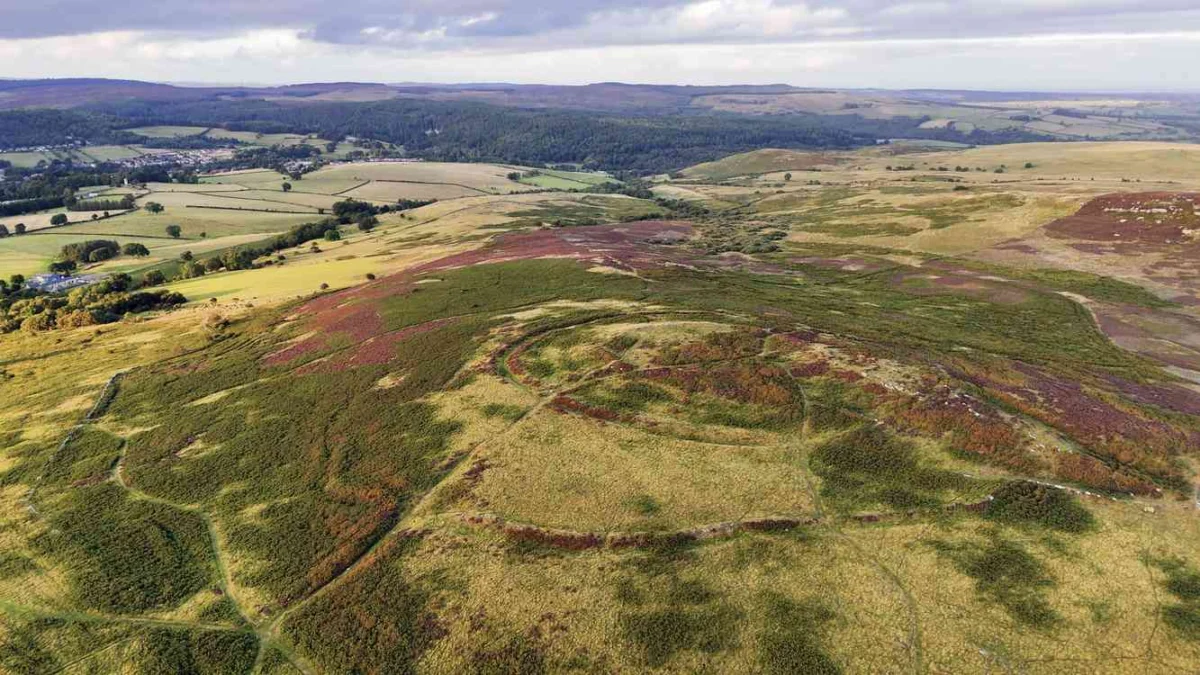
NORTHUMBERLAND, UK — In a landmark conservation victory that has reverberated across the globe, the historic Rothbury Estate in Northumberland has been permanently secured for the public and for wildlife. After remaining under the stewardship of a single British noble family for eight centuries, the breathtaking 9,400-acre landscape along the Scottish-English border is now in the hands of The Wildlife Trusts.
The acquisition was made possible by an unprecedented grassroots fundraising campaign, backed by major heritage grants and championed by legendary broadcaster Sir David Attenborough. Raising £30 million through the collective contributions of more than 25,000 supporters hailing from 50 countries, the achievement stands as one of the most significant land acquisitions in modern British conservation history.
"Together, we’ve achieved something amazing," Sir David Attenborough declared, celebrating the culmination of a two-year public appeal. "The Wildlife Trusts called for your support and you answered in your thousands. The appeal to secure the future of the Rothbury Estate in Northumberland has been successful, and now the opportunity to bring the vision of a landscape where nature and people thrive side by side can become a reality."
Main Facts: A Biodiversity Hotspot Unlocked
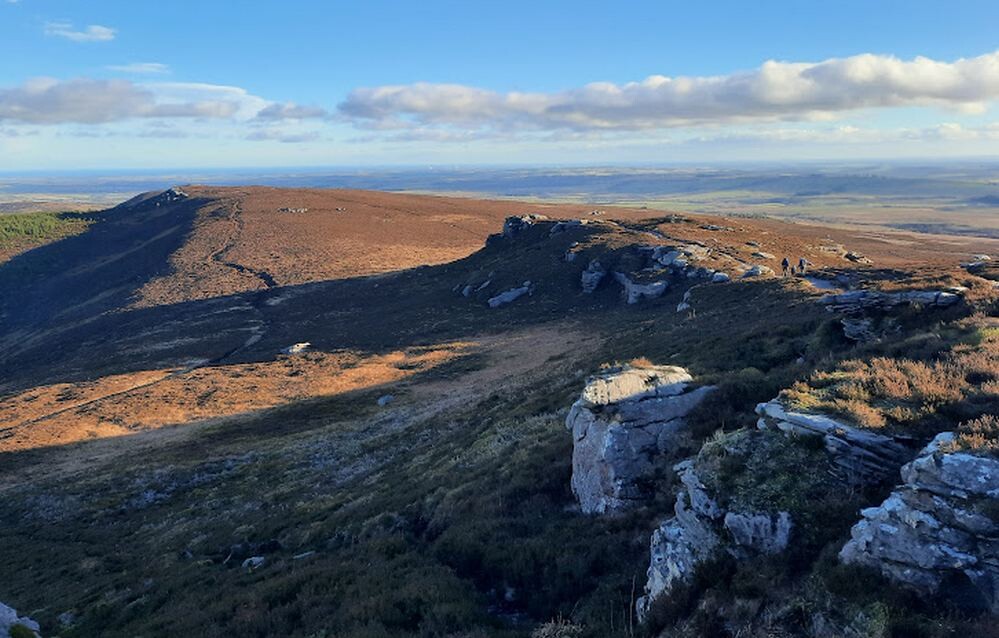
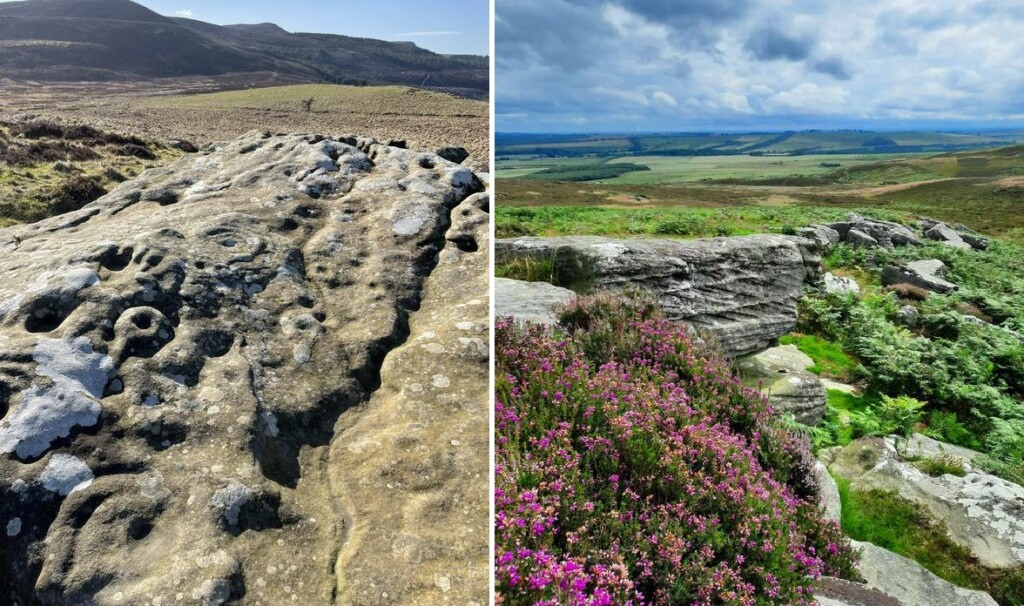
Stretching across a sweeping expanse of rolling moorlands, dense ancient woodlands, and wide-open starry skies, the Rothbury Estate is a sanctuary for some of the United Kingdom’s most vulnerable and cherished wildlife.
Within its borders, the landscape plays host to iconic wading birds including the curlew, lapwing, and the elusive mountain bumblebee. The estate’s sheltering woodlands offer a vital refuge for endangered red squirrels, cuckoos, and the merlin—the UK’s smallest falcon. Overhead, skylarks trace the airwaves, while the rushing river systems below support populations of salmon and a critically endangered species of European eel.
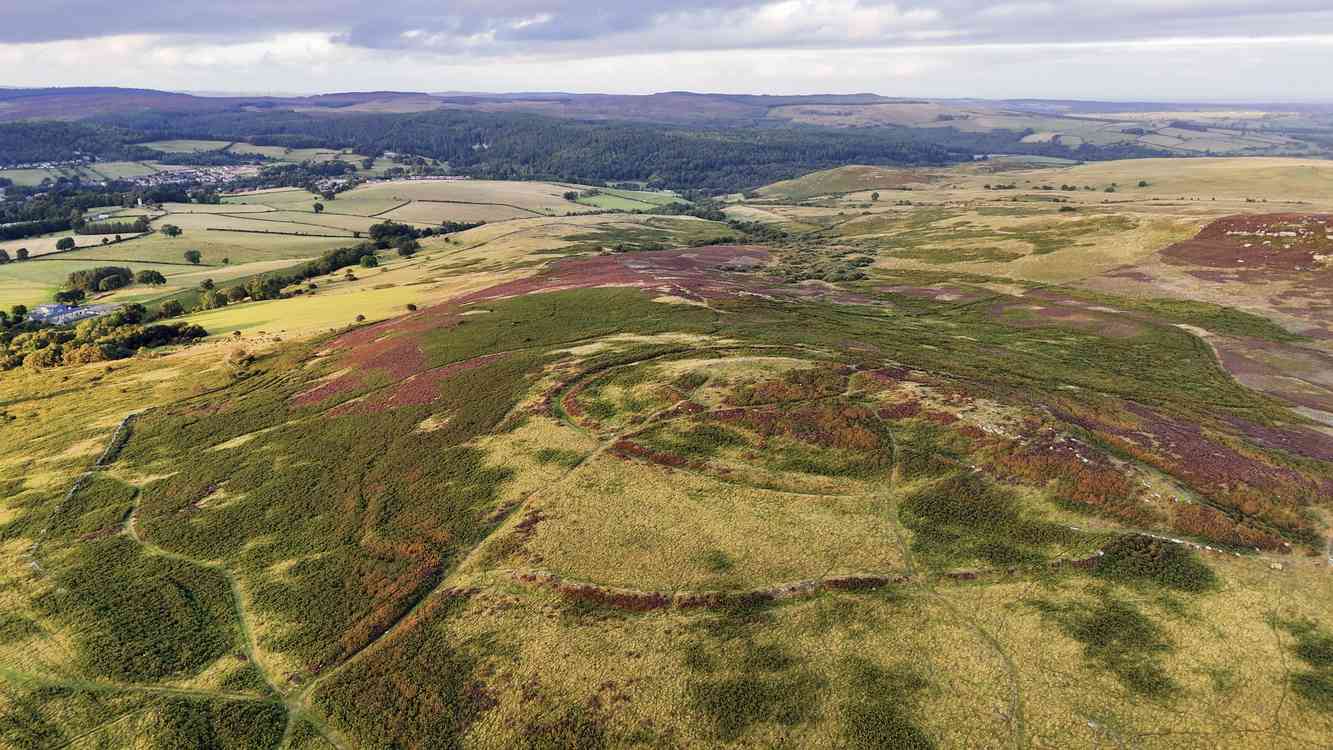
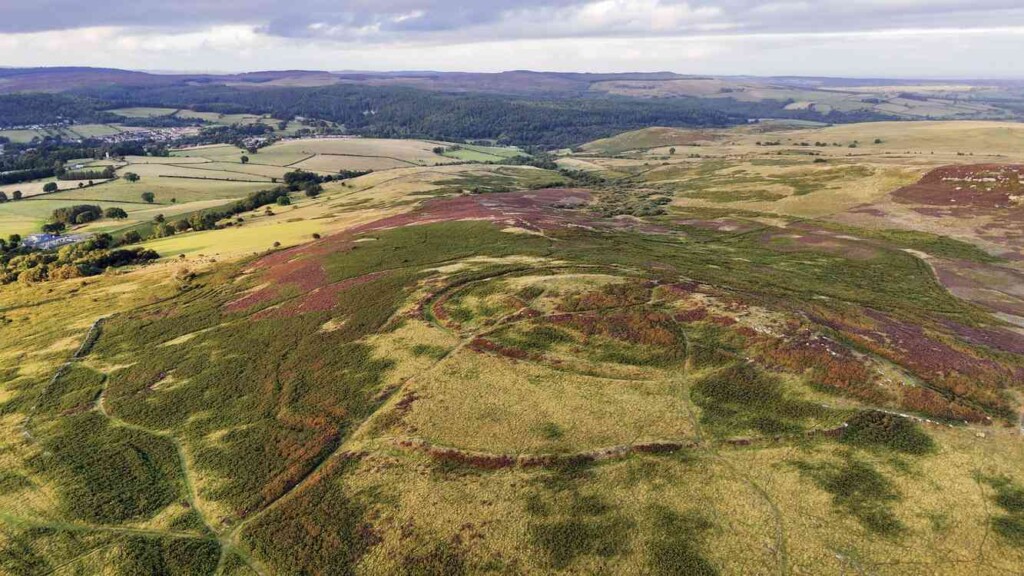
Beyond its natural splendor, the estate is steeped in deep human history. The terrain is punctuated by ancient Bronze Age hill forts, such as the Lordenshaw Hill Fort, and scattered with enigmatic Neolithic rock carvings, serving as a physical archive of human habitation stretching back millennia.
The acquisition of this critical ecosystem bridges a massive geographic gap. By bringing the Rothbury Estate into public and charitable stewardship, conservationists have unlocked the missing piece of a planned 40-mile ecological corridor across Northern England. This corridor stretches from Druridge Bay on the eastern North Sea coastline deep into existing nature reserves to the west, effectively healing a fragmented "moor to mar" landscape.
Chronology: The Journey to Acquisition
The transformation of the Rothbury Estate from private aristocratic holding to protected national treasure is the result of years of strategic planning, negotiations, and community mobilization.
- The 13th Century: The land becomes the property of the Dukes of Northumberland, remaining under the continuous ownership of the noble family for roughly 800 years and operating largely as a traditional rural estate.
- November 2024: Recognizing the ecological significance of the property and its potential to unite fragmented regional habitats, The Wildlife Trusts announce an ambitious plan to acquire the 9,400-acre estate, launching a monumental public fundraising campaign.
- 2024 – 2026: A massive global appeal gains momentum. The campaign secures critical foundational backing from major institutions, including the UK’s National Lottery Heritage Fund, the Department for Environment, Food, and Rural Affairs (DEFRA), and the Esmee Fairburn Foundation.
- Late 2026: Donations pour in from across the globe. More than 25,000 individual donors from 50 different countries contribute to the fund, pushing the total past the £30 million threshold.
- November 2026: The acquisition is officially completed. The Wildlife Trusts take ownership of the land, transitioning the estate into a collaborative, nature-first management model.
Supporting Data and Financial Framework
The £30 million acquisition of the Rothbury Estate stands as a testament to the power of collective philanthropy blended with institutional strategic funding. While individual public donations formed the emotional and financial backbone of the campaign—with over 25,000 people contributing from every corner of the earth—the financial scaffolding required to seal the deal was robust.
Key institutional contributors played a pivotal role in hitting the staggering target over the two-year window:
- The National Lottery Heritage Fund: Provided substantial grants recognizing the deep historical, archaeological, and cultural heritage embedded within the estate’s prehistoric monuments and ancient woodlands.
- DEFRA (Department for Environment, Food, and Rural Affairs): Supported the initiative as a key project aligning with national biodiversity targets and landscape-scale ecological restoration.
- The Esmee Fairburn Foundation: Contributed philanthropic capital aimed at fostering long-term environmental sustainability and community resilience in rural economies.
The pooling of these resources highlights a growing global appetite for large-scale rewilding and landscape recovery, moving away from fragmented, small-parcel conservation toward whole-ecosystem protection.
Official Responses and Collaborative Vision
The transition of the Rothbury Estate has sparked immense enthusiasm among conservation leaders, government officials, and local communities alike. Rather than locking the land away from human interaction, The Wildlife Trusts have emphasized a collaborative blueprint that respects local traditions while prioritizing ecological recovery.
"With the communities who live and work on and around the estate, we are developing a vision for the future management of this remarkable landscape," The Wildlife Trusts shared in a statement on their official platform. "With nature-friendly, regenerative farming, we will place nature’s recovery at the heart of the estate, while respecting the rural traditions of this region."
Sir David Attenborough, serving as President Emeritus at The Wildlife Trusts, underscored the multi-faceted value of the project. "This will be a place where nature, community, farming, and heritage can combine to create something very special for generations to come," he noted.
Local stakeholders, farmers, and rural workers are being integrated directly into the planning process. The objective is to demonstrate that environmental stewardship and rural economic viability are not mutually exclusive, but rather mutually reinforcing. By adopting regenerative agricultural practices, the estate aims to prove that food production, biodiversity enhancement, and community livelihood can flourish side-by-side.
Implications for British Conservation and Beyond
The successful rescue of the Rothbury Estate carries profound implications for the future of British environmental policy and global conservation tactics.
1. Landscape-Scale Connectivity
For decades, conservation efforts have often been siloed within isolated nature reserves, limiting the genetic diversity and migratory success of native species. By securing the Rothbury Estate, The Wildlife Trusts have effectively sewn together a 40-mile ecological super-corridor. This uninterrupted pathway allows species like the red squirrel, curlew, and migratory fish to travel safely across Northern England, significantly boosting climate resilience.
2. A New Paradigm for Land Ownership
The relinquishing of an estate held by a single aristocratic family for eight centuries signals a shifting cultural and economic landscape in the UK. As historic estates face mounting pressures regarding ecological degradation and economic maintenance, the Rothbury model provides a blueprint for how private lands can transition into community- and conservation-led assets without erasing their cultural heritage.
3. Proof of Concept for Regenerative Farming
By committing to nature-friendly farming methods, the project aims to dismantle the false dichotomy that agriculture and conservation are natural enemies. If successful, the Rothbury management strategy could serve as a national template for landowners across Europe and North America, illustrating how modern food systems can operate in harmony with wild ecosystems, carbon sequestration, and soil health restoration.
As the morning mist lifts over the Simonside Hills and rare wading birds take flight across the Northumbrian moors, the Rothbury Estate stands as a monument to what can be achieved when humanity unites behind a shared ecological vision. It is no longer just a relic of feudal history; it is a living, breathing testament to the power of collective hope—preserved forever for the nation, and for the planet.