By Global Editorial Desk
Published: November 2026
Introduction: The Unconscious Inheritance
In the quiet corridors of family history, patterns are passed down with the silent efficiency of a biological trait. Long before we understand the mechanics of psychology, we absorb the emotional weather of our households. As psychoanalyst Carl Jung famously observed, "Until you make the unconscious conscious, it will direct your life, and you will call it fate."
For author and speaker Shona, this realization crystallized not from a clinical textbook, but from a chance encounter with a social
media comment. Reading a user’s declaration—"Actually, I’m my mother’s revenge. I’m the voice she didn’t have and the boundary she couldn’t set"—sent ripples through a journey she had begun documenting years prior.
This deep dive examines the multi-layered mechanics of generational trauma, emotional regulation, and the profound shift required to transform inherited survival mechanisms into conscious resilience.
1. Main Facts: The Anatomy of Inherited Emotional Patterns
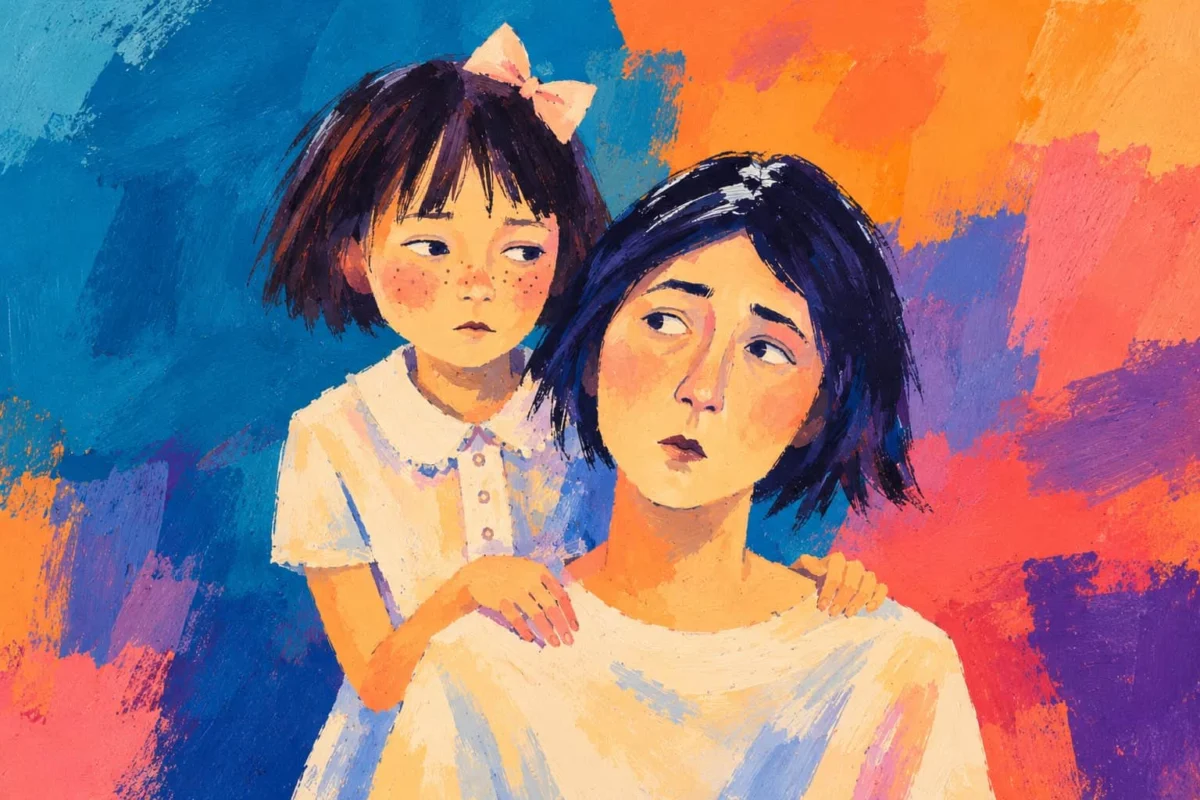
The core narrative centers on the transmission of emotional reactivity across generations. Growing up, Shona experienced a household defined by her mother’s overwhelming stress, which frequently manifested as sharp outbursts and intense anger. These moments were rooted in a difficult past—specifically, an upbringing marked by an abusive alcoholic father.
- The Behavioral Blueprint: Children in such environments quickly learn hyper-vigilance. They anticipate emotional shifts, choose their words carefully, and monitor parental moods to maintain safety.
- The Dual Nature of the Mother: Shona’s mother was simultaneously a source of pain and a figure of fierce, protective independence. She instilled in her daughter a determination never to be vulnerable or taken advantage of by men—a lesson born from witnessing her own mother endure domestic abuse and abandonment.
- The Paradox of the "Fire": Both mother and daughter possessed an intense, energetic drive—metaphorically described as "fire." However, the mother’s fire was fueled by avoidance and defensive protection ("That won’t be me"), while the daughter’s initial struggle lay in not knowing how to hold or regulate that intensity when overwhelmed.
2. Chronology: The Evolution of a Personal Awakening
Understanding how generational patterns mutate requires tracing the trajectory from childhood survival to adult self-awareness.
Phase 1: Childhood Hyper-Vigilance (The 1980s–1990s)
As a young child, Shona learned to read the emotional climate of her home to avoid triggering her mother’s overwhelm. Simultaneously, she developed an outward-facing boldness—becoming the captain of her swim team, wielding her voice with fierce enthusiasm. Yet, this strength lacked internal regulation; strength in public coexisted with anxiety in private.
Phase 2: Public Reflection and Compassion (2021)
In 2021, Shona published an essay detailing her childhood experiences. For the first time, she contextualized her mother’s behavior through a lens of compassion. She recognized that her mother was not inherently malicious, but rather a product of generational trauma, reacting to her own father’s abuse.
Phase 3: Early Motherhood and Accountability (2010s–2020s)
Upon becoming a mother, Shona recognized red flags: she occasionally slipped into the same reactive, frustrated states she remembered from her own childhood. Determined not to pass the cycle down, she implemented innovative accountability tools, including a fridge chart where her children could anonymously rate her communication styles daily. This humbling exercise marked a shift from passive endurance to active repair.
Phase 4: Finding the Middle Ground (Present Day)
Moving past the instinct to completely suppress her anger (swallowing her fire to keep the peace), Shona developed a balanced approach. She learned to set firm boundaries without engaging in combat, demonstrating that intense emotion can be channeled into respectful, resolute communication.
3. Supporting Data & Psychological Insights: What Experts Say
While Shona’s account is deeply personal, it aligns closely with contemporary psychological research on epigenetics, family systems theory, and emotional regulation.
- Intergenerational Transmission of Trauma: According to clinical psychologists specializing in family systems, children absorb stress responses through both behavioral modeling and epigenetic modifications. When a parent operates from chronic hyper-vigilance, the child’s nervous system adapts to mirror that state.
- The Trap of Over-Correction: Dr. Susan Forward, author of Toxic Parents, notes that adults attempting to break away from abusive or highly reactive parents often swing to extremes—either rigidly replicating the behavior or completely suppressing their own anger and assertiveness.
- The Role of Emotional Regulation: Modern neuroscience highlights that emotional "fire" (activation of the amygdala) cannot simply be swallowed or ignored. Suppression leads to physiological distress and eventual explosive outbursts. True regulation requires pausing, acknowledging the physiological state, and engaging the prefrontal cortex before responding.
4. Official Perspectives and Therapeutic Responses
Mental health professionals increasingly emphasize that breaking family cycles does not require cutting ties or demonizing previous generations. Instead, it demands a process of psychological excavation and refinement.
The Shift from Protection to Resilience
Therapists often categorize defensive parenting into two distinct paradigms:
- Protection-Based Parenting: Focused on shielding children from harm through control, warnings, and avoidance of risk. This often breeds anxiety and draws individuals toward the very situations they were warned against.
- Resilience-Based Parenting: Focused on teaching children that even if they face hardship, failure, or emotional pain, they possess the internal resources to survive and recover.
As Shona poignantly summarized:
"Her fire was fueled by the determination that that won’t be me. Mine has increasingly become fueled by the knowledge that even if it is me, I will be okay."
5. Implications: Redefining Family Legacies
The implications of this psychological shift extend far beyond individual households. They redefine how modern society views family history, inherited burdens, and personal responsibility.
- Dismantling the Silence: Family trees often record dates and names, obscuring the grief, unexpressed anger, and hidden sacrifices of ancestors. By speaking openly about these realities, individuals break the silence that perpetuates dysfunction.
- Separating Wound from Wisdom: Breaking the chain of trauma is not about erasing one’s lineage. It is an act of curation—taking the best parts of what was handed down (such as strength, independence, and resourcefulness) while discarding the defensive coping mechanisms that no longer serve a purpose.
- A New Definition of "Revenge": Rather than viewing generational healing as an act of hostility toward one’s parents, it is reframed as a reclamation of voice. It is revenge against the silence itself—the quiet acceptance of pain as inevitable fate.
Conclusion: What Are You Carrying?
Shona’s journey offers a universal invitation for reflection. Every family system passes down a mixture of unhealed wounds and hard-won strengths. The work of adulthood lies in untangling the two.
As we examine our own histories, the vital questions remain: What did you inherit from your family that was never yours to carry, and what did they give you that you would never want to lose?
In answering these questions, we step out from under the shadow of the unconscious and begin to author our own futures.