For dedicated diarists and power users of the Day One journaling platform, the application has long served as a digital sanctuary. From documenting fleeting travel memories and professional work logs to maintaining gratitude practices and private parenting diaries, Day One has evolved into a comprehensive repository of life’s moments. However, as any long-term user knows, the accumulation of these diverse digital journals can eventually lead to a "sidebar bloat," where navigating a sprawling list of entries becomes a logistical challenge rather than a reflective joy.
In a significant update aimed at restoring clarity to the user interface, Day One has officially launched "Journal Collections." This new organizational feature is designed to offer a robust structural hierarchy to the sidebar, allowing users to categorize their journals without disrupting the underlying functionality of their entries. By prioritizing ease of use and visual serenity, the developers are signaling a pivot toward more mature, scalable organizational tools for their growing user base.
The Architecture of Clarity: What Are Journal Collections?
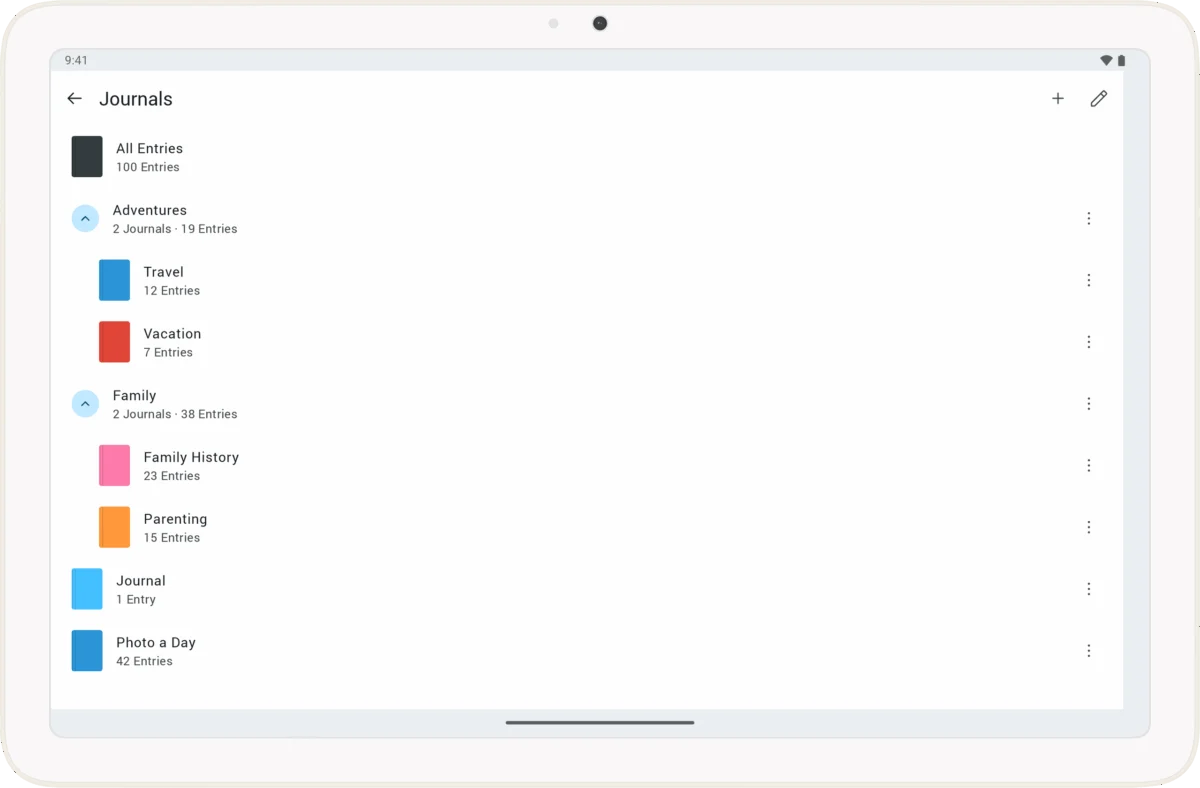
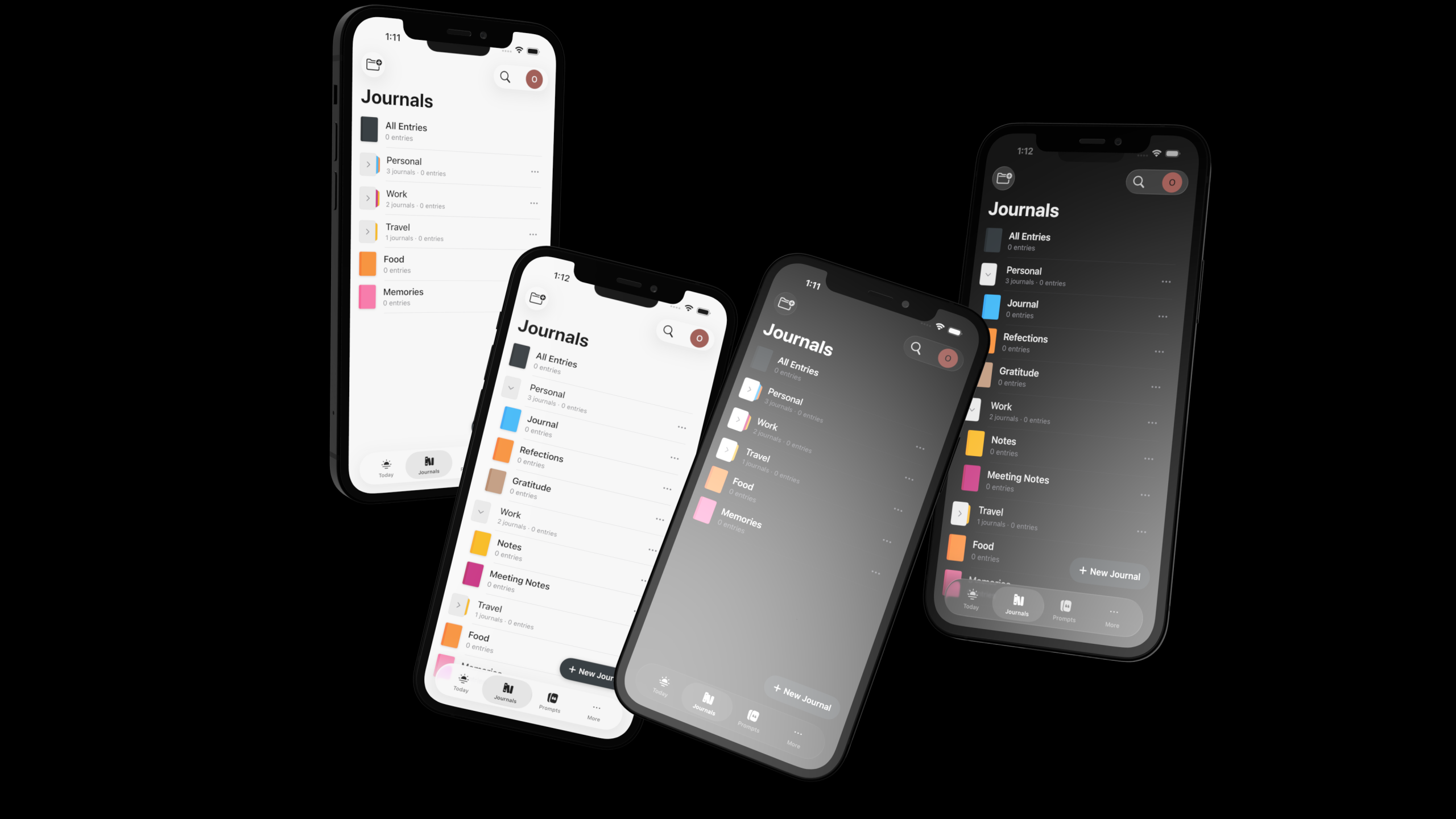
At its core, a Collection is a designated, user-defined container for individual journals. Rather than merging entries into a single, overwhelming feed, Collections function as a top-level organizational layer that resides directly within the application’s sidebar.
The design philosophy behind this feature is one of "non-destructive organization." When a user places a journal inside a collection, the journal’s metadata, sync status, and existing entries remain entirely untouched. The transition is purely visual and navigational. Users can expand a collection to view their specific journals or collapse it to minimize visual friction, effectively hiding inactive or secondary projects from their immediate field of view.
Key Functionalities Include:
- Custom Categorization: Users can create an unlimited number of collections tailored to their specific needs—whether by theme (e.g., "Personal," "Work," "Hobbies"), time-period (e.g., "Archive 2020-2023"), or priority.
- Dynamic Management: Journals can be moved in and out of collections at any time with drag-and-drop simplicity.
- Non-Destructive Deletion: Should a user choose to remove a collection, the journals contained within are not deleted; they simply migrate back to the primary, top-level sidebar view, ensuring that no data is ever lost in the pursuit of organization.
A Chronology of the Update: From User Feedback to Implementation
The journey to the launch of Journal Collections was not a sudden pivot but a response to years of user-driven data. Over the past several years, Day One has observed a shift in how its community uses the app. Originally conceived as a simple daily diary, the platform has become a multifaceted tool for life-logging.
Phase 1: Identifying the Pain Point
During the early 2020s, the developer team noted an uptick in support tickets and forum discussions regarding "sidebar fatigue." As users added specialized journals—such as fitness tracking, meal planning, and professional project management—the sidebar became a long, cumbersome scroll.
Phase 2: The Beta Testing Cycle
Throughout the first half of 2026, Day One initiated a series of closed beta tests. These tests focused on ensuring that the addition of a new folder-like structure did not interfere with the app’s notoriously fast sync speeds or cross-platform reliability.
Phase 3: The Global Rollout
As of July 2026, the feature has begun its official rollout across major platforms, including iOS, macOS, and Android. The development team has confirmed that while the feature is ready for most users, a staggered rollout for the Web and Windows versions is currently in progress, ensuring that the back-end infrastructure remains stable as the new database schema propagates.
Supporting Data: Why Organization Matters
The necessity of this update is supported by broader trends in digital organization. Psychological studies on digital environments suggest that "visual clutter"—the presence of too many icons, lists, or unread notifications—can lead to increased cognitive load. For an app designed for reflection and mental health, reducing this friction is not merely a aesthetic choice; it is a functional requirement.
Data provided by the development team indicates that:
- Average Journal Count: A significant segment of "Pro" users now maintains between 10 and 20 individual journals.
- Sidebar Navigation Time: Internal usability testing revealed that users with more than 10 journals spent, on average, 30% more time navigating to their desired journal compared to those with fewer.
- User Retention: There is a strong correlation between users who utilize advanced organization features and long-term subscription retention, suggesting that as users build more "digital baggage," they require better tools to manage it.
Official Response and Design Philosophy
In a statement accompanying the release, the Day One engineering team emphasized that the goal was never to increase complexity. "We didn’t want to turn a journaling app into a project management tool," a representative noted. "The goal was to provide a ‘breathing room’ for the user’s history."
The decision to limit the hierarchy to a single level—meaning collections cannot be nested inside other collections—was a deliberate choice. By keeping the structure flat, the developers have ensured that the app remains intuitive. "We want the user to find what they need in two clicks or less," the representative added.
The team also clarified that the distinction between the "Free" and "Premium" experience is a strategic move to sustain the platform’s development. While basic journaling remains free, the "Collections" feature is gated behind the Day One Silver and Gold subscriptions. This ensures that the company can continue to provide robust, ad-free cloud syncing services while offering power users the advanced tools they demand.
Implications for the Journaling Ecosystem
The introduction of Collections marks a maturation point for Day One. As the market for digital journaling apps becomes increasingly crowded, platforms must evolve from being simple "text boxes" to becoming robust "personal operating systems."
The Impact on Workflow
For professional users, this update changes how they interact with the app. Instead of keeping a separate project management tool, many users may find that Day One is now sufficient to house their work-related journals alongside their personal ones, as the two can now be cleanly partitioned.
Cross-Platform Parity Challenges
One significant implication is the current disparity in feature availability. While mobile and desktop users can fully utilize the collection/collapse functionality, the Web and Windows versions are currently in a transitionary state. This highlights the ongoing challenge of maintaining feature parity in a cross-platform ecosystem. Users who rely on the web interface will have to wait for the final deployment phase, which the company promises is "well underway."
A Future-Proofing Strategy
By allowing users to organize their digital legacy, Day One is acknowledging that users intend to stay for the long haul. A collection-based system allows a user to "archive" their life in a way that feels intentional. As users look back on years of data, the ability to group journals by decade or life stage provides a sense of narrative structure that was previously missing.
Conclusion: A Calmer Digital Future
Journal Collections represents a thoughtful, measured update that prioritizes the user’s mental space over flashy, unnecessary features. By focusing on the "sidebar," Day One has addressed a foundational element of the user experience that, while subtle, has a profound impact on daily usage.
For those who have felt overwhelmed by the sheer volume of their entries, this update provides a path forward. It turns the sidebar from a daunting list of tasks into a navigable library of memories. As the platform continues to evolve, this commitment to reducing friction and improving the "navigability" of one’s life story will likely remain the gold standard for personal journaling software.
Whether you are a casual writer with two journals or a power user with fifty, the addition of Collections ensures that your digital archive remains as organized as your thoughts—and just as accessible. As the rollout completes across all devices, the digital diary is officially becoming a more structured, and perhaps more intentional, part of our daily routines.