In the high-stakes world of modern AAA game development, the gap between a concept artist’s sketch and a fully realized, functional in-game asset is often a graveyard of lost time and communication breakdown. For Arrowhead Game Studios, the team behind the massive multiplayer hit Helldivers 2, the solution to this industry-wide bottleneck hasn’t been more software, but rather a more cohesive, faster pipeline centered around Blender.
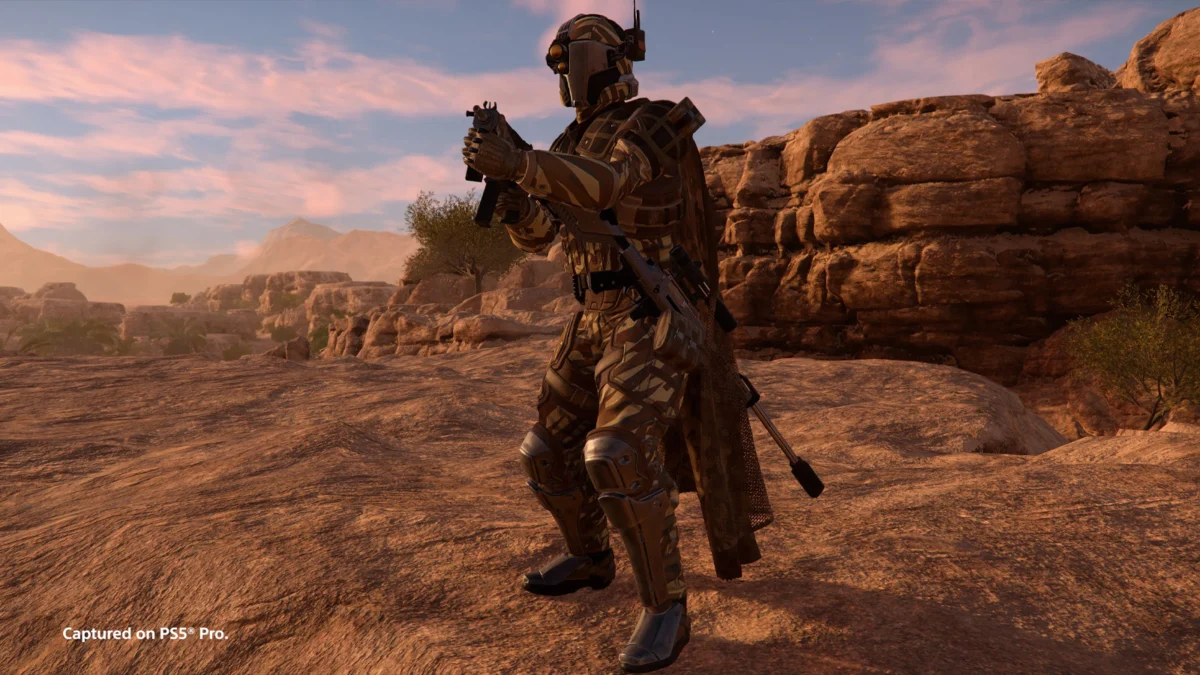
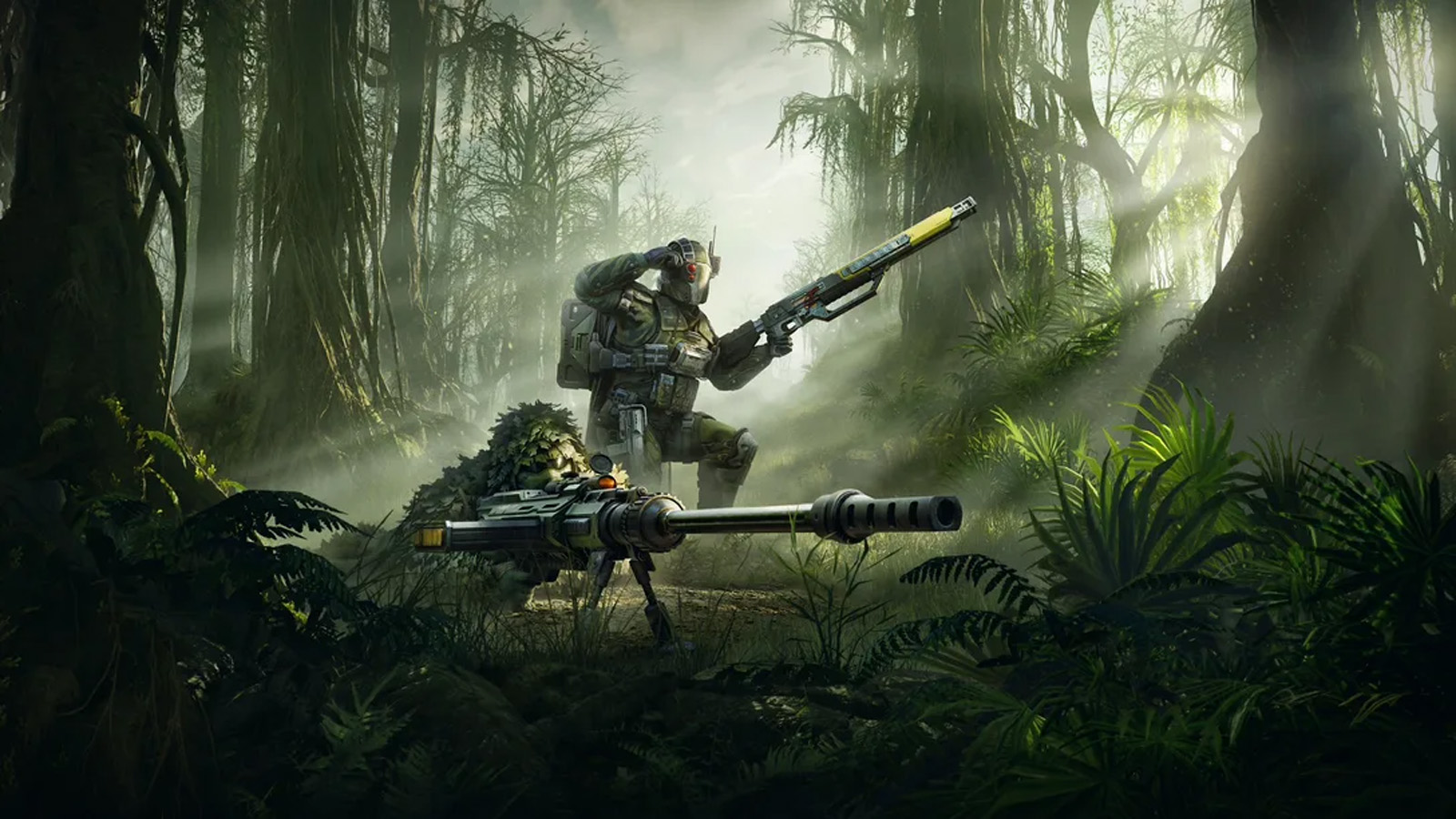
With the release of the "Scope of Authority" Warbond—a content drop that introduced high-fidelity sniper rifles, tactical ghillie armor, and complex mine-layer weaponry—the studio has pulled back the curtain on how its artists maintain a consistent, gritty military aesthetic while keeping pace with the demands of a live-service game.
The Chronology of an Asset: From Blender Blockout to Battlefield
The journey of a Helldivers 2 asset is characterized by a rapid, iterative loop. According to Arrowhead concept artist Christian Forsgren, the process begins not with a polished 2D illustration, but with a collaborative brainstorm. Once a direction is set, the transition to 3D happens almost immediately.
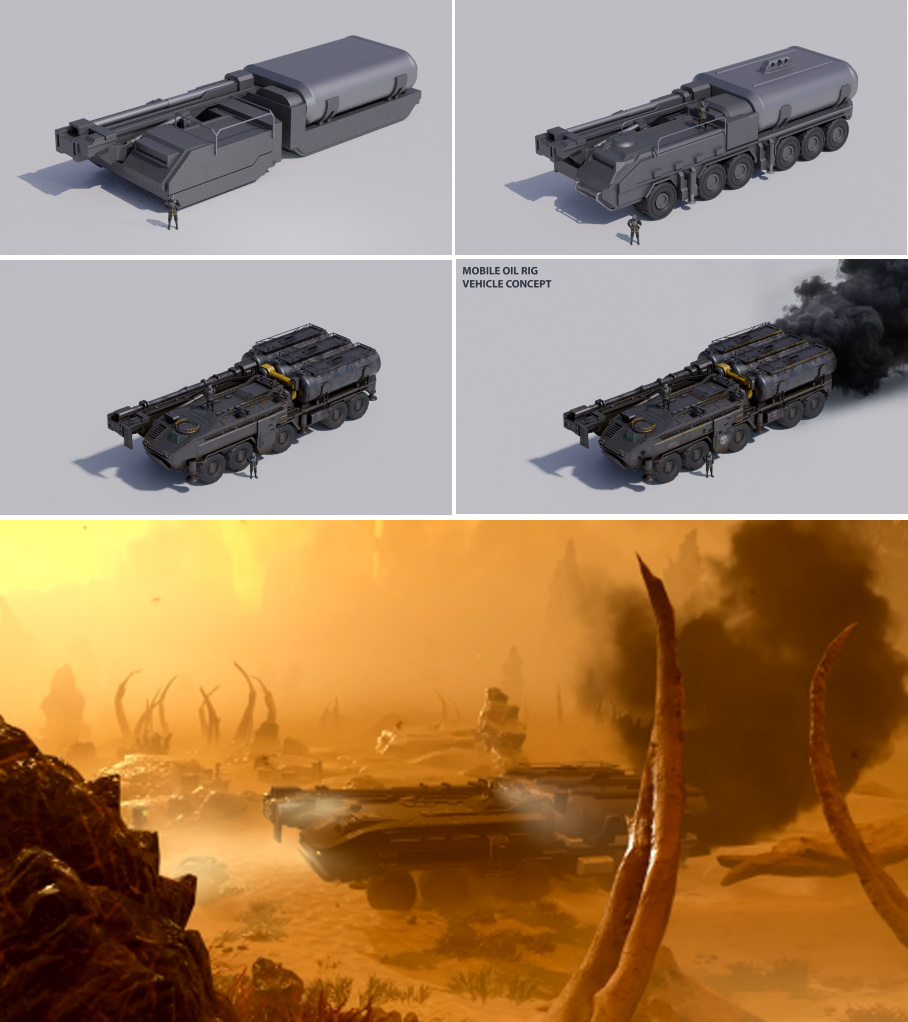
"I take the agreed-upon brief and build the concept model in Blender," Forsgren explains. "Sometimes I do simple sketches to bounce ideas around, but most of the time, it’s straight into Blender for blockouts to help with scale and animation approximations."
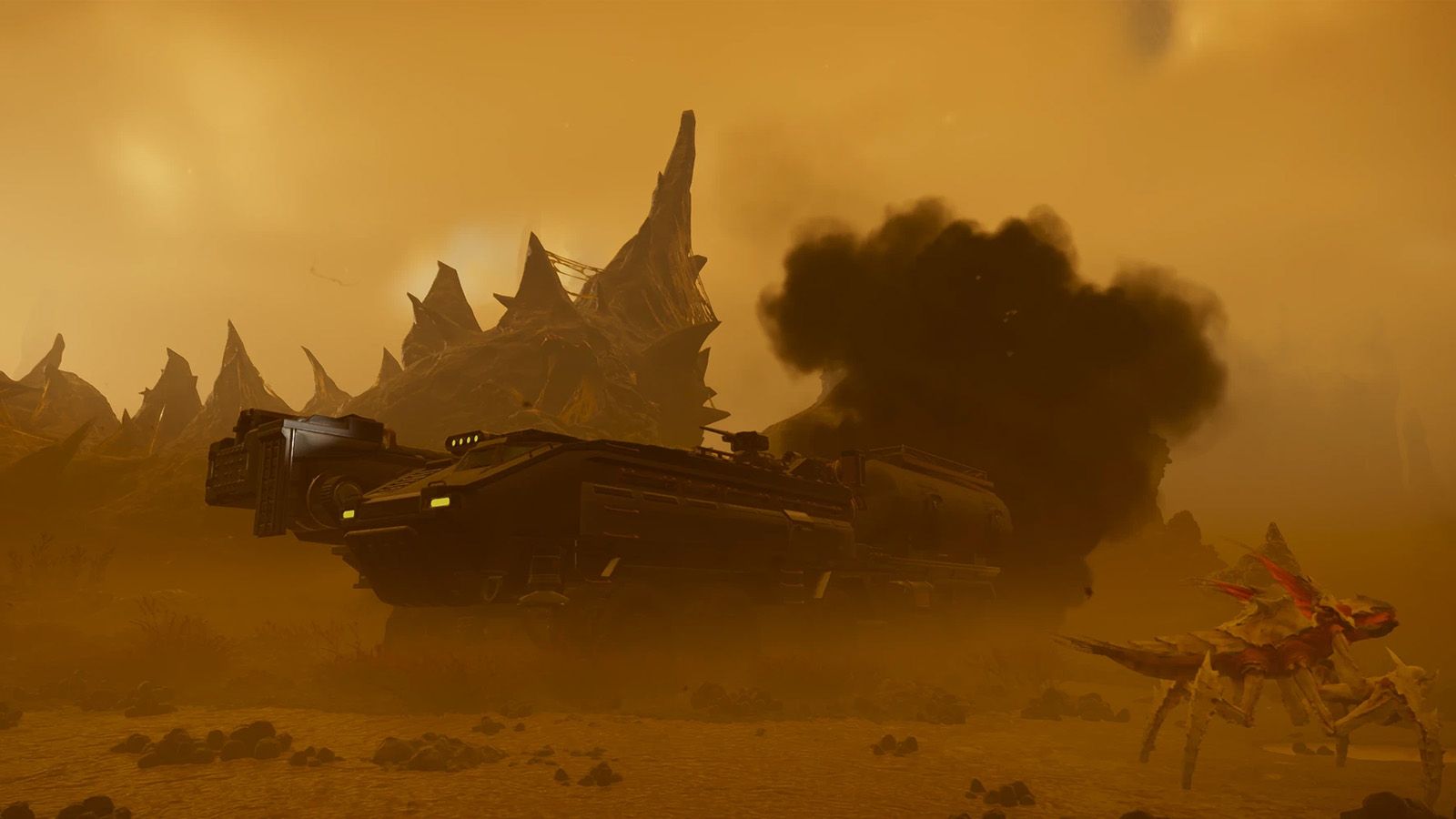
This early 3D phase is critical. By creating a rough geometry in Blender before detailing, the team can verify that a weapon or piece of machinery is "mechanically plausible." As Forsgren notes, a misplaced few centimeters in a weapon’s design can be the difference between a piece of believable military hardware and a prop that feels like it belongs in a toy shop. Once the blockout is approved, the artist refines the materials, finish, and functionality before pushing the asset into the studio’s proprietary Stingray engine.
The Engine Integration: Bridging the Gap
The true secret to Arrowhead’s efficiency lies in the bridge between Blender and the Stingray game engine. In many traditional pipelines, transferring assets between DCC (Digital Content Creation) tools and a game engine is a manual, error-prone process. Arrowhead, however, has developed custom importers and exporters specifically designed to eliminate this friction.
"When that [model] has reached a reasonable state, we push it straight into Stingray," says Forsgren. "We’re play-testing it in real-time so I can see how it actually handles in a player’s hands straight away, not weeks later."
This immediate feedback loop allows for rapid iteration between coders, designers, and animators. If a weapon feels too heavy, or if a vehicle’s silhouette obscures the player’s view, the adjustment is made within hours, not days. This "fail fast, fix faster" mentality ensures that the final in-game result is not just visually impressive, but functionally sound within the broader context of the game’s ecosystem.
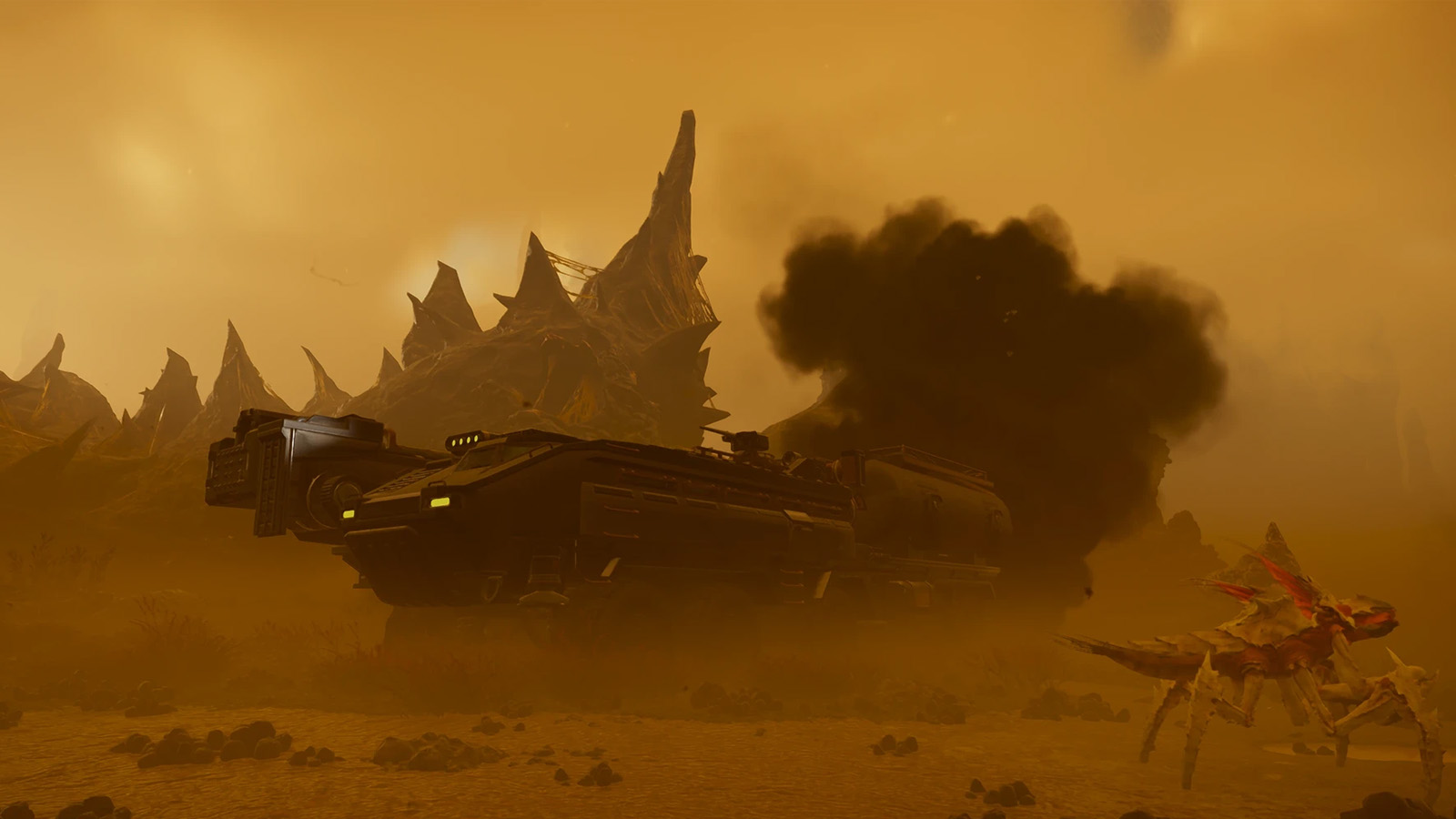
Procedural Power: Why UV Mapping Isn’t Everything
A signature element of the Helldivers 2 aesthetic is its "battered, lived-in" look—a design choice that leans heavily into 20th-century propaganda tropes mixed with futuristic grit. Achieving this high level of detail without bloating the development budget requires clever technical art, much of which relies on Blender’s procedural nodes.
Forsgren highlights that Blender’s shader editor is the backbone of this efficiency. "I can get there very fast with the procedural texturing tools inside Blender," he explains. "All the nodes available to me make it a breeze to create edge wear, grungy textures, and interesting volumetrics without ever doing a single second of UVs."
This procedural approach extends beyond weapons. For the game’s Warbond banners—the propaganda posters that define the game’s satirical, totalitarian tone—the team uses a dedicated pipeline to render high-fidelity versions of in-game assets. These renders often exceed the visual quality of what is achievable in real-time during gameplay, providing the marketing materials with the sharp, polished look of classic war-era recruitment posters.
Empowering the Artist: Customization vs. Consistency
In an industry that often forces artists into rigid, "one-size-fits-all" workflows, Arrowhead takes a different approach. The studio provides a baseline for consistency—the custom import/export tools—but leaves the creative process largely in the hands of the individual artists.
"Arrowhead gives us creative freedom to choose our own tools and workflows," Forsgren says. "A lot of the 3D artists at the studio have very different setups based on how they like to work… Pushing everyone to use the same exact setup can have some advantages, but giving team members the tools to customize Blender how they like to is what keeps that individuality."
This empowerment manifests in various ways. Forsgren himself utilizes a collection of custom scripts and add-ons to manage cameras, lighting, and HDRIs, as well as "pie menus" that allow for rapid navigation of Blender’s dense interface. By allowing environment artists to use specialized tools for terrain, while hard-surface artists focus on mechanical shaders, the studio fosters an environment where disciplines can inform and improve one another.
Implications for the Future of Game Development
The success of the Helldivers 2 pipeline serves as a case study for smaller and mid-sized studios. By leveraging open-source tools like Blender, Arrowhead has demonstrated that it is possible to achieve AAA quality without the massive overhead associated with industry-standard, proprietary suites.
However, the transition to such a workflow is not without its challenges. Forsgren admits that the industry is in a constant state of flux, and keeping a pipeline updated is an "everlasting process." The goal for the future, he notes, is to continue bridging the gap between artists, animators, and designers. The objective isn’t just to make "more" content, but to create a system where ideas aren’t lost in translation.
For artists working in other fields—whether in product design, film VFX, or illustration—the takeaway is clear: the most effective pipeline is the one that allows for the fastest iteration. By automating the technical heavy lifting through custom scripting and procedural materials, artists are free to focus on the "why" of the design rather than the "how."
Conclusion: The "Scope of Authority" Standard
The Scope of Authority Warbond is more than just a list of new items; it is a testament to the maturation of Arrowhead’s production capabilities. Every new sniper rifle added to the game is a product of this seamless, Blender-centric machine.
As Helldivers 2 continues to evolve and expand, the studio’s commitment to an agile, artist-first workflow remains its most powerful asset. By keeping the barrier between the artist’s imagination and the player’s screen as thin as possible, Arrowhead has ensured that Super Earth’s arsenal remains as lethal—and as authentic—as the propaganda demands.
For aspiring game developers, the message is simple: build tools that serve your creativity, foster a culture of technical autonomy, and never underestimate the power of an early, playable blockout. In the galactic war for player attention, speed, consistency, and artistic intent are the ultimate loadout.