By Special Investigative Desk
Modern industrial civilization rests on a foundation far more fragile than most realize. While global financial markets obsess over daily fluctuations in crude oil prices, equity valuations, and central bank interest rates, a quiet, cascading failure is unfolding deep within the molecular supply chain. The world is facing an unprecedented global sulfur crisis—an invisible chokepoint that threatens to paralyze agriculture, heavy industry, mining, and energy generation.
At the epicenter of this disruption is the Persian Gulf. Following a series of geopolitical escalations, military conflicts, and the effective closure of the Strait of Hormuz, the global flow of elemental sulfur and its vital downstream chemistry has ground to a near-halt. While governments scramble to address visible symptoms—ranging from localized fuel shortages to emergency agricultural declarations—the underlying systemic break remains largely ignored by mainstream corporate media.
Sulfur is not a peripheral industrial byproduct or a market footnote; it is a load-bearing pillar of the global economy. Without a stable, continuous supply of sulfur and its primary derivative, sulfuric acid, modern agriculture cannot produce adequate crop yields, mines cannot leach essential metals, battery manufacturers cannot assemble advanced energy storage, and the global transportation network cannot manufacture tires.
Main Facts: The Anatomy of the Sulfur Deficit
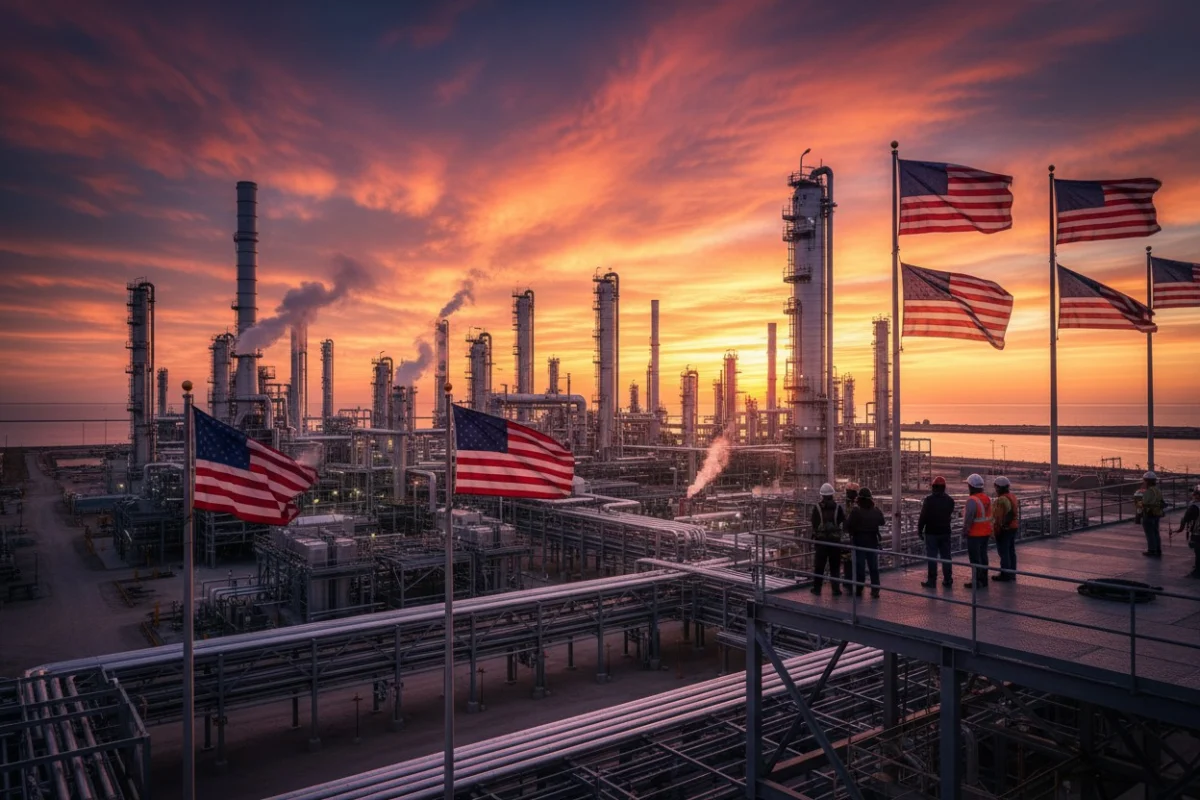
To understand the severity of the current crisis, one must first recognize the fundamental nature of sulfur in industrial chemistry. Much of the world’s extracted crude oil and natural gas is classified as "sour," meaning it contains significant concentrations of hydrogen sulfide and other sulfur compounds. During the refining process, facilities must strip these compounds out to meet environmental and mechanical standards.
Rather than disappearing as waste, this recovered sulfur is converted into elemental sulfur and directed into the global industrial pipeline. The Persian Gulf region—specifically nations bordering the Strait of Hormuz—has historically served as one of the world’s primary export hubs for this commodity, accounting for a substantial percentage of globally traded spot sulfur.
- The Hormuz Disruption: Following military engagements and regional blockades in the Persian Gulf earlier this year, maritime traffic through the Strait of Hormuz experienced severe bottlenecks and intermittent shutdowns. This cut off millions of tons of elemental sulfur traditionally exported to international markets.
- The Sulfuric Acid Dependency: Sulfuric acid is widely considered the most important industrial chemical in existence. It is the mandatory chemical agent used to dissolve insoluble phosphate rock, converting it into plant-available phosphorus. Without sulfuric acid, commercial phosphate fertilizers cannot be manufactured.
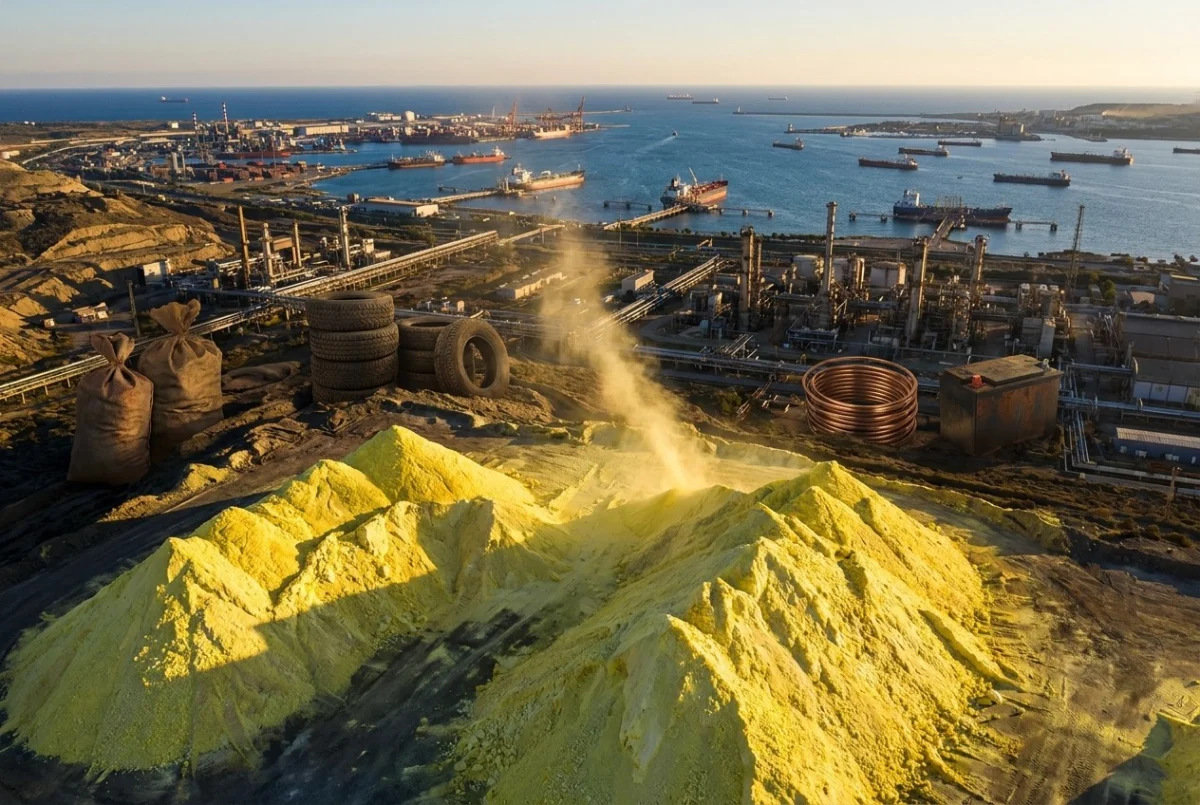
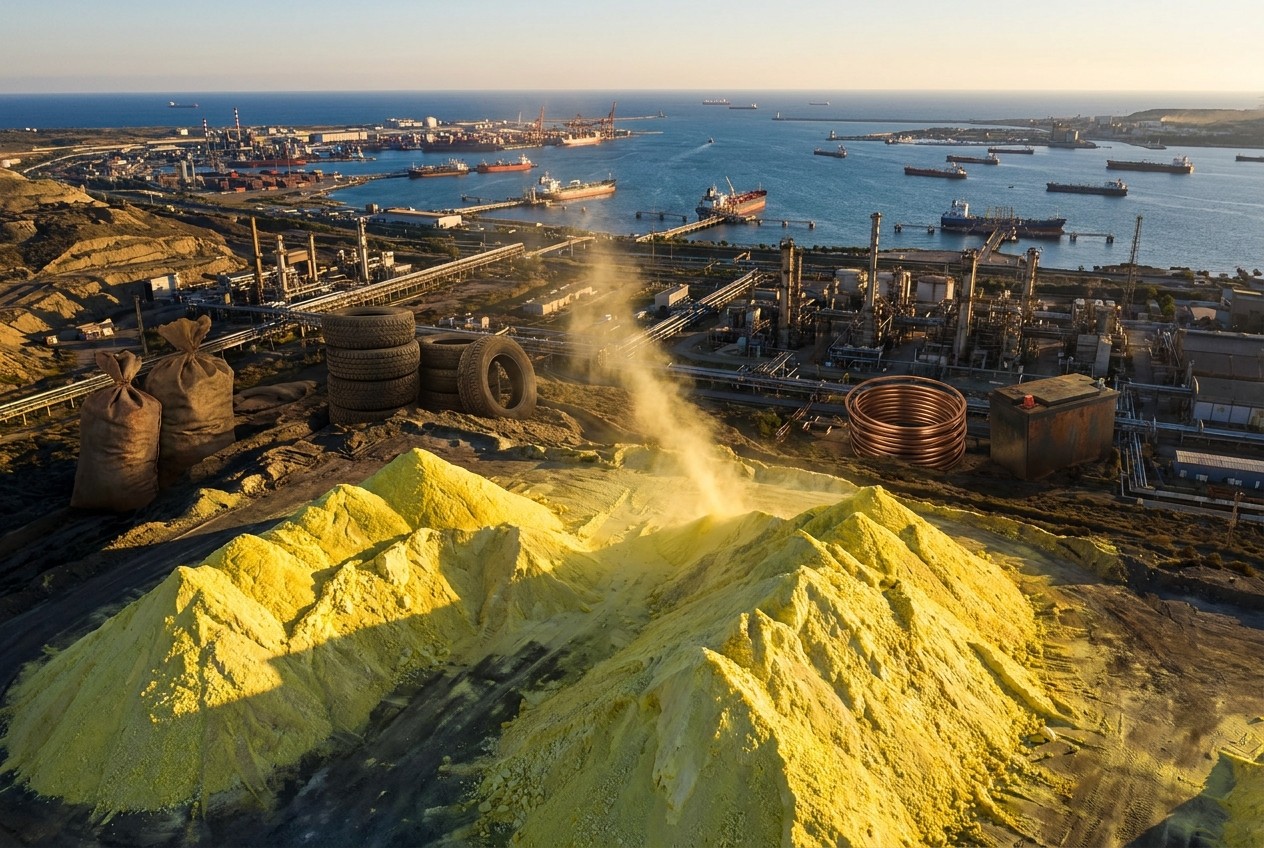
- The Canadian Stockpile Buffer: As primary spot supplies from the Middle East dried up, the global market began drawing down historic sulfur stockpiles accumulated over decades in Alberta, Canada, resulting from high-sulfur oil sands production. These massive yellow reserves are currently the primary buffer masking a complete industrial seizure, but they are finite.
- Price Volatility: Elemental sulfur, historically treated as a low-cost industrial surplus priced around $50 per ton, has experienced exponential upward price pressures, threatening to multiply its baseline cost by factors of ten or more as reserves dwindle.
Chronology of a Slow-Motion Collapse
The trajectory of the current sulfur crisis did not materialize overnight. It is the culmination of decades of reliance on "just-in-time" supply chain logistics combined with sudden, catastrophic geopolitical shocks.
Phase 1: Pre-Existing Fragility and Just-In-Time Logistics
For decades, chemical and agricultural conglomerates optimized their supply chains for maximum financial efficiency rather than systemic resilience. Refineries, fertilizer plants, and mining operations maintained minimal local inventories of sulfur, relying on continuous maritime shipping lanes from the Middle East and Asia. This left the entire global industrial apparatus vulnerable to any single-point-of-failure disruption.
Phase 2: The Persian Gulf Escalation
In the early months of the year, heightened military tensions and direct kinetic actions in the Middle East—including operations impacting transit through the Strait of Hormuz and localized processing infrastructure—effectively severed the maritime transport of sulfur. Tankers carrying liquid and solid sulfur were rerouted, detained, or canceled altogether. The spot market for Gulf sulfur vanished within weeks.
Phase 3: Depletion of Strategic Reserves
As international shipments ceased, downstream consumers—particularly in the agricultural fertilizer sectors of North America, South Asia, and Europe—began aggressively drawing down regional stockpiles. The massive sulfur blocks stored in western Canada became the global balancing item. Industry analysts noted an unprecedented rate of inventory drawdowns, transitioning what was once a multi-decade buffer into a rapidly shrinking emergency reserve.
Phase 4: Downstream Propagation and Emergency Responses
By mid-year, the upstream deficit began propagating downstream. Fertilizer manufacturers faced severe input shortages just as seasonal planting windows opened. Mining conglomerates reported tightening constraints on sulfuric acid availability, directly impacting copper and zinc leaching operations. In response, various regional authorities began issuing emergency agricultural declarations and exploring duty-free imports for essential fertilizer components, acknowledging too late the fragility of their baseline industrial inputs.
Supporting Data: The Interconnected Supply Chain
The true danger of the sulfur crisis lies in its systemic contagion. Because sulfur is chemically upstream of numerous vital manufacturing processes, a deficit in sulfur triggers a domino effect across seemingly unrelated sectors.
[Sour Oil & Gas Extraction]
       │
       ▼
[Elemental Sulfur Recovery]
       │
       ▼
[Sulfuric Acid Production] ──┬──> [Phosphate Fertilizer] ──> [Global Crop Yields / Food Security]
                            ├──> [Metal Leaching (Copper/Zinc)] ──> [Electrical Grids & Silver Byproducts]
                            ├──> [Battery Chemistry (Nickel)] ──> [Electric Vehicles & Energy Storage]
                            └──> [Rubber Vulcanization] ──> [Transportation / Tire Industry]
1. Agriculture and Food Production
Modern intensive agriculture relies heavily on the N-P-K (Nitrogen, Phosphorus, Potassium) fertilizer matrix. While nitrogen and potassium receive significant public attention, phosphorus is entirely dependent on sulfuric acid. Raw phosphate rock is chemically inert and unusable by plant roots until treated with sulfuric acid to produce single superphosphate or phosphoric acid. A shortage of sulfur directly translates to a shortage of available phosphate, suppressing crop yields globally and driving structural food price inflation.
2. Mining and the Energy Transition
The transition toward renewable energy, electric vehicles (EVs), and expanded electrical grids requires vast quantities of copper, nickel, and zinc.
- Copper and Zinc: The dominant method for extracting these metals from low-grade ore involves hydrometallurgical leaching using sulfuric acid. Without sufficient acid, mining output slows, directly restricting the raw materials needed for electrical grid expansion, substation construction, and high-voltage wiring.
- Nickel: High-purity nickel, a critical component in modern lithium-ion battery chemistries (such as NMC and related energy storage systems), relies on sulfur-intensive refining techniques.
3. The Precious Metals Link
A less-discussed vulnerability in financial circles is the co-dependency of silver production. A significant portion of the world’s silver output is not mined directly from primary silver deposits, but is instead recovered as a commercial byproduct during the smelting and refining of copper and zinc ores. If sulfuric acid shortages force copper and zinc mines to curtail production, global silver supplies contract in tandem.
4. Rubber and Transportation
Industrial vulcanization—the chemical process pioneered by Charles Goodyear that introduces sulfur into natural and synthetic rubber to create durable, heat-resistant material—consumes substantial quantities of elemental sulfur. Without sulfur cross-linking, industrial tires for commercial trucking, agricultural tractors, and shipping logistics cannot be manufactured to specifications required for heavy transport.
Official Responses and Institutional Blind Spots
The response from international bodies, national governments, and corporate leadership has been marked by a persistent lag in recognizing structural realities. For months following the closure of the Hormuz corridor, mainstream economic commentary focused almost exclusively on retail gasoline prices and crude oil futures, treating the disappearance of elemental sulfur as a minor technical footnote.
Regulatory Blindness to Intermediate Inputs
Agricultural ministries and central banks historically monitor finished goods—such as retail food prices, headline inflation indices, and end-user electricity rates. Intermediate industrial inputs like sulfuric acid, ammonia intermediates, and elemental sulfur frequently fall into a regulatory blind spot. Consequently, emergency measures were delayed until physical shortages manifested directly on farm cooperatives and industrial factory floors.
Patchwork Interventions
As the crisis deepened, localized interventions emerged. Certain jurisdictions implemented emergency tariff waivers, expedited import approvals for alternative fertilizer formulations, and established strategic dialogues with domestic refiners to maximize sulfur recovery rates from sweet and semi-sour domestic oil production. However, domestic production capacities in North America and Europe are structurally insufficient to fully replace the massive export volumes historically supplied by Persian Gulf oil and gas operations.
Critics and independent industrial analysts argue that institutional reliance on "just-in-time" procurement models prevented adequate contingency planning. Rather than maintaining strategic reserves of critical non-fuel commodities like sulfur, industrial policies prioritized short-term capital efficiency, leaving economies exposed to single-point geopolitical shocks.
Broader Implications for Global Stability
The ongoing sulfur shortage serves as a stark case study in the extreme interdependence of modern industrial civilization. It demonstrates that advanced technological societies are vulnerable not merely to shortages of end-use energy products, but to disruptions in foundational chemical inputs that operate entirely out of public view.
- Food Security Vulnerabilities: With global population levels exceeding eight billion, intensive agricultural yields are chemically subsidized by mined minerals and manufactured acids. Any sustained constriction in the sulfur-phosphate supply chain threatens baseline caloric production, raising the risk of food scarcity and associated social unrest in import-dependent developing nations.
- Deceleration of Industrial Infrastructure: The goals of expanding electrical grids, building out data center infrastructure, and scaling renewable energy storage depend entirely on steady flows of refined metals. A prolonged sulfuric acid deficit acts as a severe administrative and physical brake on these capital projects.
- The Shift Toward Regionalization: The crisis underscores the inherent risks of globalized, centralized supply chains dependent on narrow geopolitical chokepoints like the Strait of Hormuz. In response, industrial strategists are increasingly evaluating the necessity of domestic resource extraction, regional industrial self-sufficiency, and diversified chemical sourcing to insulate domestic economies from distant conflicts.
Conclusion
The global sulfur crisis is no longer a theoretical risk projected for future decades; it is an active structural shock reverberating through the interconnected pillars of food, energy, and industry. As the historical buffer reserves stored in Alberta face accelerated depletion, the international community confronts a definitive test of its industrial resilience. Navigating this invisible chokepoint will require a fundamental reassessment of how modern economies value, stockpile, and secure the foundational molecular building blocks upon which human survival depends.