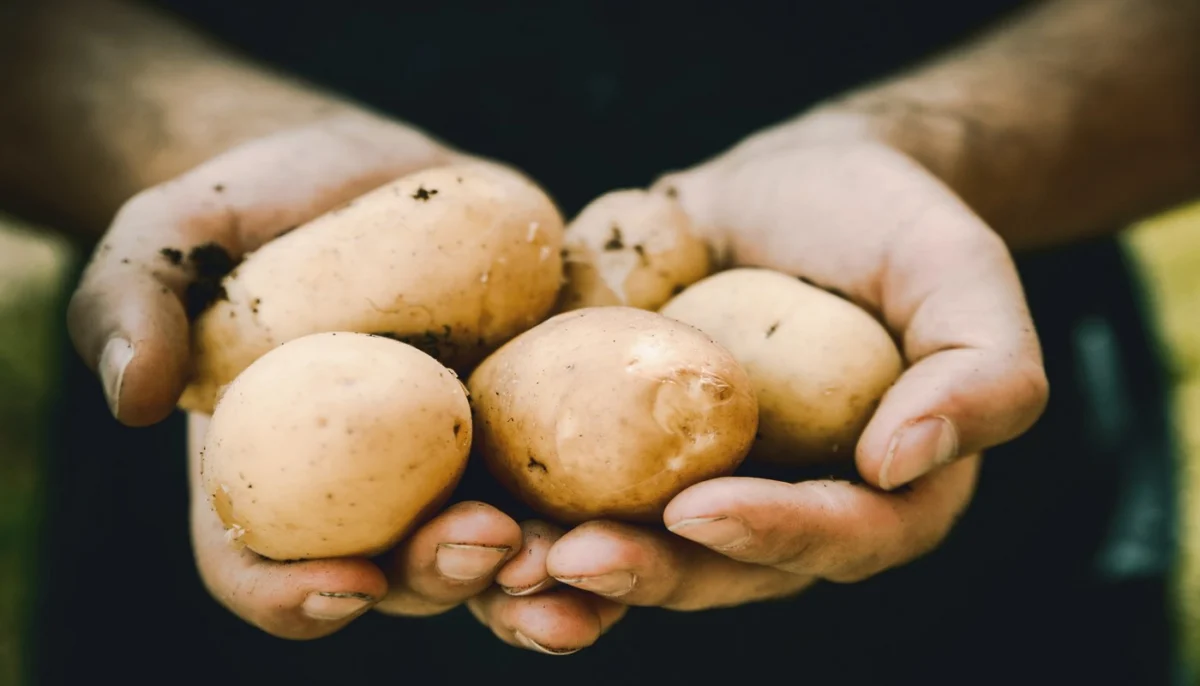
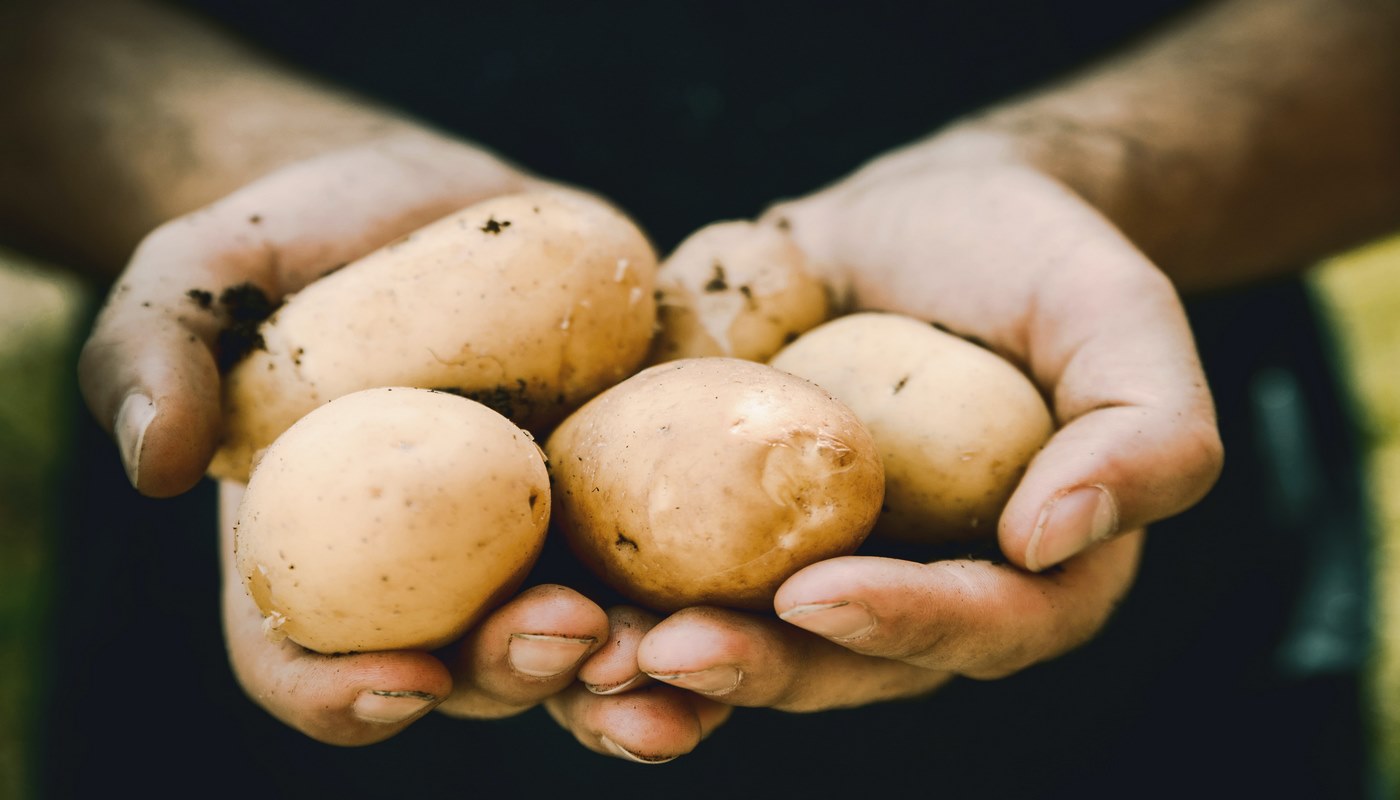
TOKYO — Amid a global backdrop of agricultural distress, spiraling food costs, and increasingly volatile weather patterns that have battered farming communities worldwide, an unexpected and heartwarming phenomenon has taken root in Japan’s northernmost prefecture. While traditional agricultural powerhouses across the Northern Hemisphere have watched their crops wither beneath relentless summer heatwaves and unyielding droughts, the volcanic soils of Hokkaido have produced a staggering, high-quality potato harvest that industry experts are calling nothing short of a miracle.
For an island that accounts for roughly 80 percent of Japan’s total potato production, this banner year—playfully dubbed a "potato typhoon"—serves as a much-needed reminder that nature can still surprise us with abundance even in an era of acute climate uncertainty.
Main Facts: A Record-Breaking Yield Against the Grain
The headline figures emerging from Japan’s agricultural sector are as impressive as they are rare. According to recent reports from potato industry outlets and major manufacturers, Hokkaido is virtually the only major potato-producing region in the entire Northern Hemisphere to have significantly increased its production this season.
Major Japanese snack and potato product manufacturer Calbee has officially announced that it expects to meet or exceed its traditional harvest quotas, projecting a massive yield between 240,000 and 250,000 tons of Hokkaido-grown potatoes. To put this into perspective, this volume represents the region’s best harvest performance in a decade, completely reversing the fortunes of an industry that was reeling from adverse conditions just a year prior.
This localized boom stands in stark contrast to the global agricultural landscape. Across Europe and North America, rising temperatures, prolonged droughts, and erratic rainfall have devastated staple crops. In stark defiance of this macro-trend, Hokkaido’s farmers have reaped the benefits of an idealized meteorological window—a precise, harmonious blend of moderate summer temperatures and timely, well-distributed rainfall that allowed the beloved tubers to thrive.
Chronology: From Last Year’s Struggle to This Year’s Triumph
To fully appreciate the magnitude of Hokkaido’s current agricultural triumph, one must look back at the arduous journey the region’s farming communities endured just twelve months prior.
The Struggles of Autumn 2023 and 2024
As recently as the autumn harvest seasons of recent years, agricultural reports painted a grim picture for Hokkaido. Unseasonably high temperatures and highly inconsistent rainfall patterns wreaked havoc across the prefecture’s vast farmlands. The heat stress stunted plant growth, resulting in a sharp, painful decline in both overall harvest volume and the commercial quality of the potatoes. Farmers faced soaring operational costs, diminished yields, and the constant anxiety that climate change was permanently altering the viability of their ancestral lands.
The Turning Point: Summer 2025
The narrative began to shift dramatically during the planting and growing season of the following year. Meteorologically, Hokkaido experienced a stark and welcoming departure from the blistering heatwaves scorching the rest of the globe.
In Sapporo, the prefecture’s capital, residents and farmers alike noted a remarkably temperate summer. Official meteorological data revealed that Sapporo experienced a mere four days where temperatures climbed above 86°F (30°C). By comparison, the previous year had seen a grueling 16 days above that threshold.
The Autumn Cooling and Harvest Phase
As summer transitioned into autumn, the region experienced a faster, more significant drop in ambient temperatures. This timely cooling proved to be the secret ingredient for the potato crops. The moderate climate allowed the tubers to develop denser, perfectly spherical shapes, free from the deformities often caused by heat stress.
Furthermore, the autumn weather dried the topsoil just enough to create firmer ground, allowing heavy agricultural machinery to navigate the fields smoothly without compacting the earth or getting bogged down by late-season storms. By the time the final rows were harvested, it was clear that Hokkaido had not merely survived the season—it had triumphed over it.
Supporting Data: Meteorological Harmony and Global Contrasts
A deeper dive into the environmental and logistical data highlights why Hokkaido’s 2025 harvest was such an unprecedented statistical anomaly.
Weather Conditions Favoring the Spud
- Temperature Control: The drastic reduction in days exceeding 86°F prevented the heat-induced physiological stress that typically causes potatoes to sprout prematurely or develop hollow hearts.
- Moisture Management: Unlike regions plagued by extreme deluges—which routinely wash away topsoil, drown root systems, and trigger devastating outbreaks of fungal blights and pest infestations—Hokkaido received steady, measured rainfall. This kept plants hydrated without creating the muddy quagmires that render fields entirely impassable for tractors and mechanical harvesters.
- Post-Harvest Longevity: The cooler ambient temperatures during the digging phase directly contributed to the post-harvest quality of the potatoes. Tubers harvested in cooler conditions boast significantly improved storage capabilities, reduced bruising, and an extended shelf life, ensuring that a greater percentage of the crop successfully reaches commercial markets and consumer pantries without spoiling.
The Global Contrast
To understand how remarkable Hokkaido’s feat is, one must examine the broader Northern Hemisphere. Traditional agricultural powerhouses in southern France and northern Italy—regions renowned for their rich culinary crops—faced brutal summer droughts that severely stunted yields. Across North America, erratic weather systems caused wild fluctuations in crop success.
Hokkaido’s ability to buck this global downward trend places it in rare company, drawing inevitable comparisons to other recent localized agricultural anomalies, such as Germany’s infamous "potato flood," where unexpected overproduction forced farmers to give away millions of surplus spuds to the public. While Japan has not quite reached the point of giving away massive quantities for free, the abundance has brought a profound sense of relief to the nation’s supply chain.
Official Responses and Industry Reactions
The agricultural community, corporate stakeholders, and local government officials in Japan have responded to the bumper crop with a mixture of profound relief, cautious optimism, and analytical wonder.
Corporate and Agricultural Stakeholders
Major manufacturers like Calbee, which rely heavily on a steady, predictable supply of high-grade Hokkaido potatoes for their chips and snack lines, expressed immense satisfaction. Executives noted that securing the targeted 250,000-ton quota stabilizes supply chains and prevents the inflationary price hikes that typically accompany agricultural shortages.
Local agricultural cooperatives (Nokyo) in Hokkaido released statements praising the resilience of the prefecture’s farming workforce. For years, these cooperatives have invested heavily in climate-adaptive farming techniques, soil health management, and advanced irrigation systems. Officials noted that while the favorable weather played the starring role this season, the proactive measures implemented by local farmers over the past decade laid the crucial groundwork for the crop to capitalize on the ideal conditions.
Economic Implications for Consumers
For the everyday consumer, the successful harvest translates to price stability and product availability. In a nation where food import costs have risen due to global supply chain pressures and currency fluctuations, having a domestic agricultural sector capable of producing a surplus of a staple food source is an invaluable economic buffer. Economists have pointed out that the Hokkaido harvest helps insulate the Japanese domestic market from the inflationary shocks currently hitting grocery stores across North America and Europe.
Implications: Lessons in Agricultural Resilience
While Hokkaido’s potato typhoon is undeniably a celebratory piece of good news, agricultural scientists and policy experts emphasize that it also offers critical lessons for the future of global farming in an era of accelerating climate change.
The Limits and Lessons of Micro-Climates
Hokkaido’s geographic positioning as Japan’s northernmost frontier naturally affords it cooler baseline temperatures than the main island of Honshu or subtropical regions further south. However, as global temperatures continue to rise, even northern latitudes have begun feeling the heat, as evidenced by the difficult harvests of previous years.
The 2025 harvest demonstrates that resilience is not merely about enduring bad weather, but about building agricultural systems robust enough to maximize windows of climatic favorability. The swift cooling periods, the absence of pest-inducing floods, and the careful stewardship of volcanic soils all point to an agricultural ecosystem that knows how to adapt.
A Beacon of Hope for Global AgTech
As the world looks for ways to feed a growing population amidst intensifying environmental unpredictability, the success story of Hokkaido serves as a beacon of hope. It highlights the importance of:
- Diversified Regional Planning: Ensuring that agricultural production is not overly centralized in regions highly vulnerable to hyper-local climate disasters.
- Investment in Soil and Storage Infrastructure: Proving that proper post-harvest handling, facilitated by favorable natural temperatures, can drastically reduce food waste and economic loss.
- Adaptive Farming Frameworks: Encouraging farmers to adopt flexible planting and harvesting schedules that can shift in real-time response to meteorological anomalies.
Conclusion
As the final loads of Hokkaido’s golden harvest are processed, stored, and shipped to markets across Japan, the prefecture stands as a triumphant exception to a troubled global rule. For now, farmers, manufacturers, and consumers alike can savor the success of a season that proved, against all odds, that nature can still deliver a bounty worthy of celebration.