GLOUCESTER, Massachusetts — In the tumultuous autumn of 1967, a group of 33 schoolchildren at St. Ann School in Gloucester, Massachusetts, were given a seemingly mundane classroom assignment: write a letter of encouragement to a wounded American serviceman they had never met.
The children, innocent of the geopolitical storms and societal fractures raging outside their classroom windows, picked up their pencils. They wrote candidly about everyday childhood trivialities—pets, local sports, and simple school day anxieties—interlaced with heartfelt wishes for a speedy recovery. None of them could have possibly imagined the profound, life-saving impact their words would have on the recipient.
Nearly six decades later, that recipient’s son has embarked on an extraordinary cross-country mission to track down every single one of those children. His goal is simple yet deeply moving: to let them know that their childhood kindness pulled a man back from the absolute brink of despair.
Main Facts: A Lifeline in an Envelope
The story centers on HM3 Russell Jacobson, a Navy corpsman who entered the Vietnam War with the idealistic mission of healing people rather than harming them. Instead, Jacobson’s deployment culminated in horrific trauma. He suffered 12 distinct gunshot wounds and severe shrapnel injuries from a violent grenade blast that claimed the lives of a dozen of his closest friends within the span of a few harrowing hours.
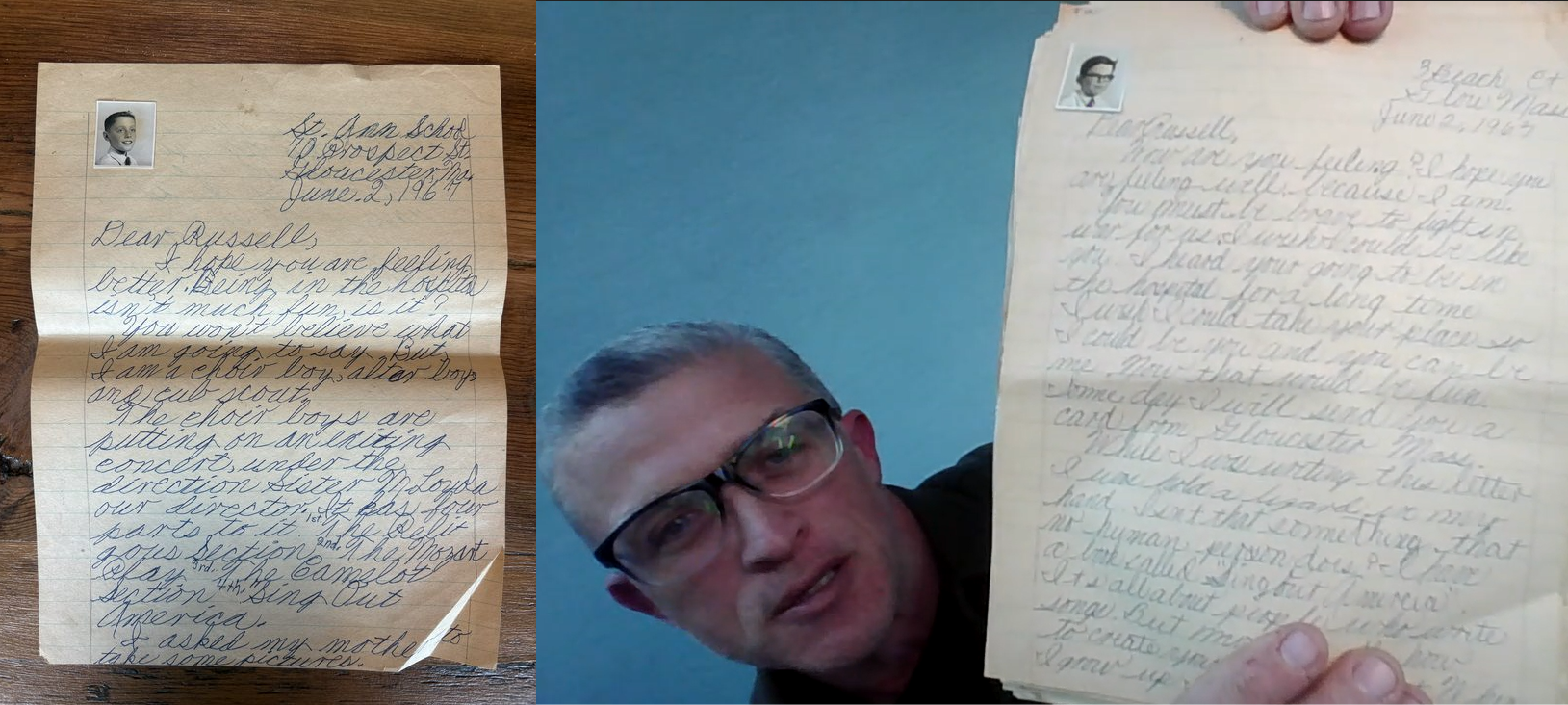
When Russell was finally evacuated back to the United States, he was placed in a full-body cast
at an understaffed Chelsea Naval Hospital in Massachusetts. His physical injuries were catastrophic, but the psychological wounds ran even deeper. Returning servicemen during the Vietnam era frequently faced intense public hostility, protests, and social stigma. Plunged into deep isolation, Russell fell into a profound, non-verbal depression. Weighing a mere 80 pounds and refusing food and water, he was slowly slipping away.
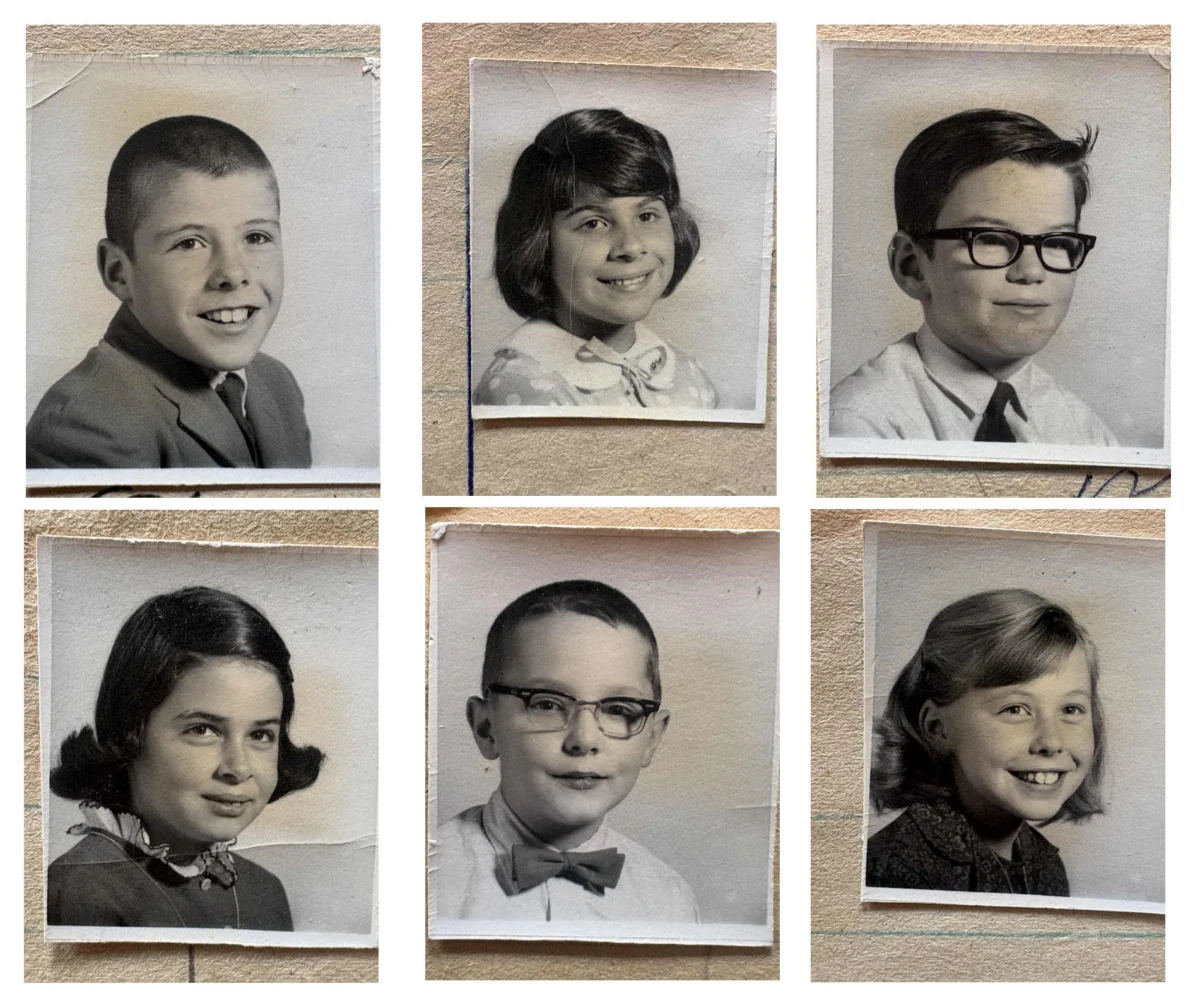
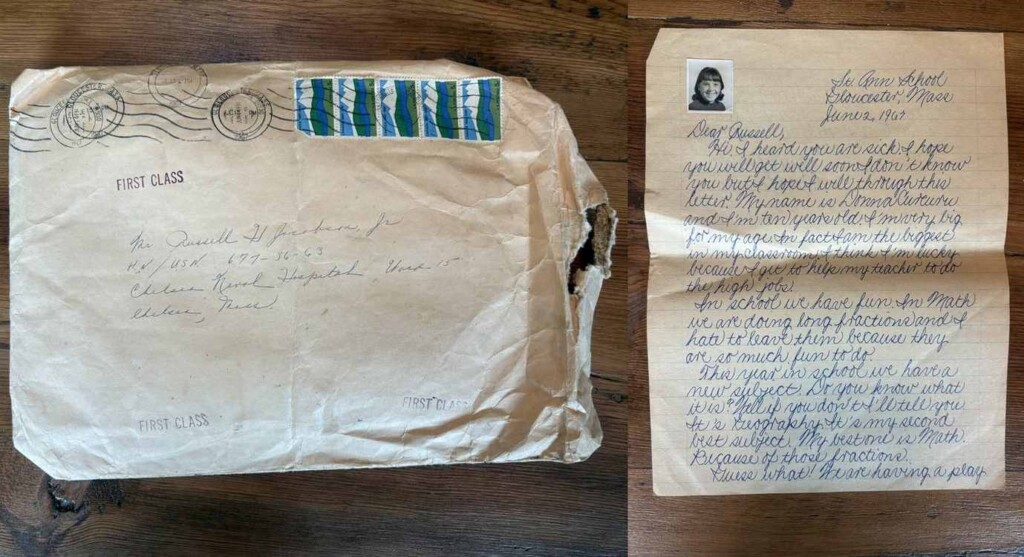
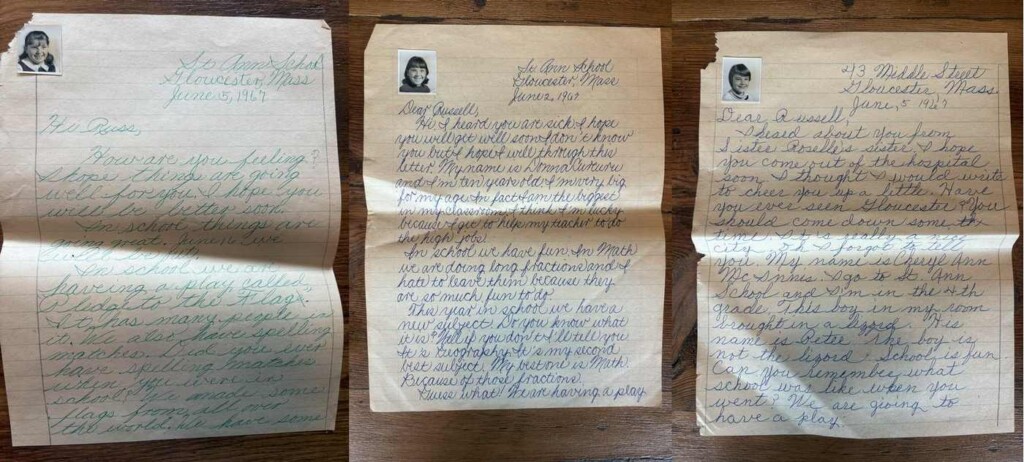
It was then that an unorthodox intervention occurred. A nurse’s co-worker named Kitty, desperate to find a way to reach the broken young veteran, turned to her sister—a nun teaching at St. Ann School in Gloucester. Sister Flatly mobilized her class of young students, resulting in a single envelope containing 33 handwritten letters, complete with small, yearbook-style photographs of each child.
When Russell opened the package, the stark contrast between formal, stiff adult condolence letters and the innocent, unfiltered voices of children pierced through his armor. The letters became a psychological turning point, anchoring him to life and giving him a reason to fight his way back.
Chronology of Events: From the Battlefield to the Classroom and Beyond
1967: The Crucible of War and Recovery
Russell Jacobson’s journey from a pacifist-leaning Navy corpsman to a severely wounded patient in a Chelsea Naval Hospital highlights the brutal realities faced by Vietnam veterans. Grappling with survivor’s guilt after losing a dozen peers in a single engagement, Russell languished in silence. His medical chart grew bleak as he refused sustenance, completely cut off from a society that offered little comfort to returning combatants.
The intervention by St. Ann School shifted the trajectory of his recovery. As Russell and his wife began unsealing the letters, they discovered disarming sincerity. One boy named Peter wrote about his pet lizard; classmates marveled at the chaos of bringing a reptile to school. Another student casually asked if Russell had been following the Montreal Expos’ season, writing to him as if he were an accessible neighbor rather than a distant patient.
These innocent missives bypassed the heavy, uncomfortable formalities of post-war society. They reminded Russell that humanity still existed outside the hospital walls, providing the internal spark required to begin his grueling physical rehabilitation.
Decades Later: Dave Jacobson’s Quest
Years after his father’s passing, Dave Jacobson—who was born a decade after the letters were written—began uncovering the historical artifacts of his father’s recovery. Recognizing the debt of gratitude owed to the anonymous children, Dave launched an independent, painstaking genealogical and community search.
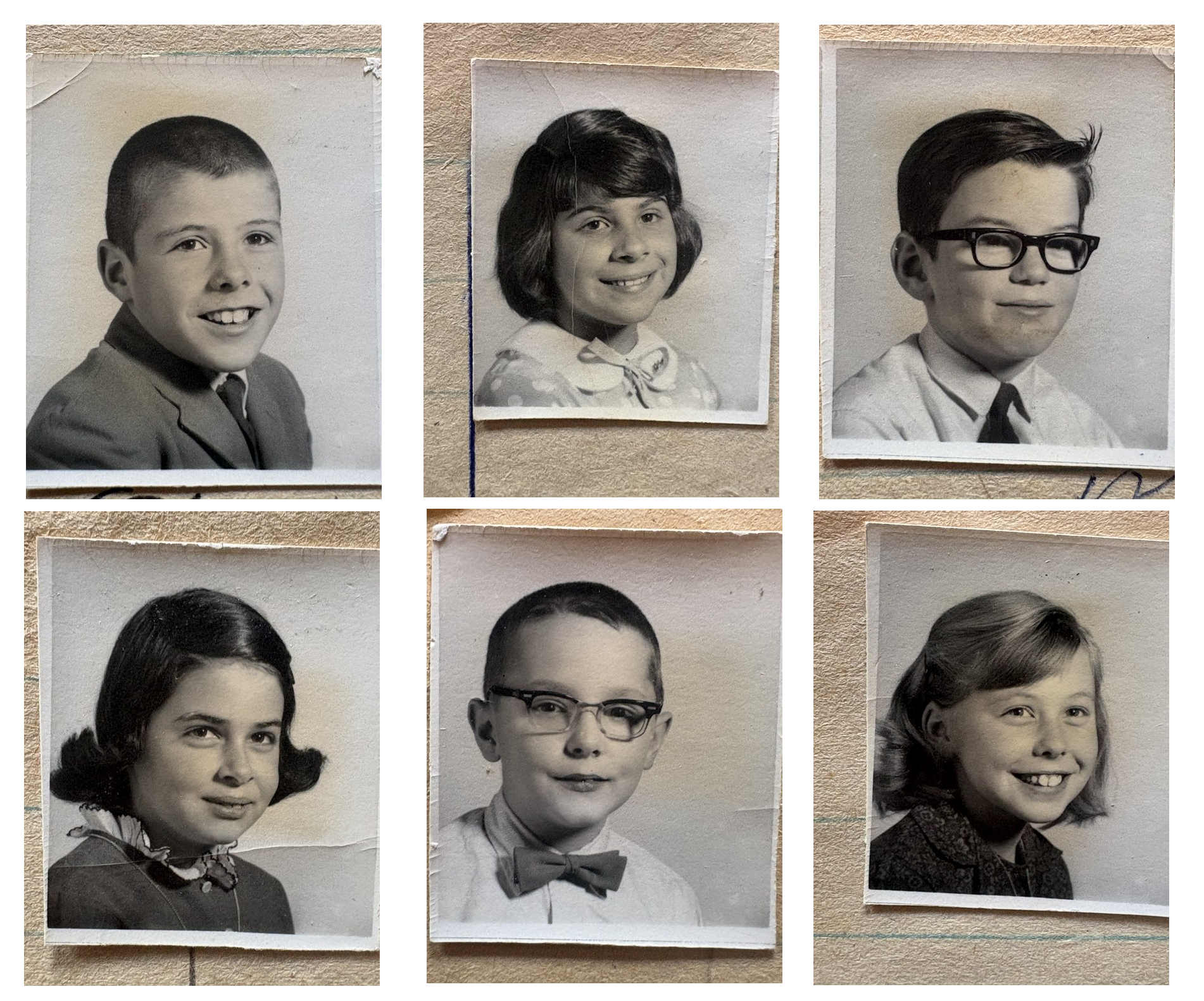
Operating in an era where cold-calling and digital outreach are frequently met with suspicion or defensive caution, Dave committed himself to finding all 33 authors. To date, he has successfully tracked down and connected with 18 of the original schoolchildren, turning what was once a silent historical footnote into a living bridge across generations.
Supporting Data and Personal Encounters
The passage of time has transformed the children of St. Ann School into grandparents and retirees, yet Dave’s outreach has revealed striking continuities in their personalities.
- Sister Flatly: The nun who orchestrated the 1967 project is now 90 years old. When Dave first contacted her, she was deeply moved, revealing that the letter-writing exercise was just one of millions of compassionate gestures she fostered throughout her teaching career.
- Maryann Kilman: The very first student Dave successfully located responded with characteristic charm: "Honestly, I know the teacher. I know the school. I don’t recall it." Despite the faded memory, Dave noted she possessed the same warm spirit evident in her childhood handwriting.
- Lisa Lovell: Another author reached during the search immediately remembered the assignment, expressing a lingering childhood regret: "I do remember it and I do remember feeling guilty I didn’t make [the letter] longer."
To document these reunions and preserve the history, Dave created a dedicated public project website titled The Letters from Gloucester (fireswepttrail.org/gloucester), featuring high-resolution scans of the original letters, photographs of the students, and ongoing updates about the search for the remaining 15 authors.
Official and Familial Responses: A Generational Sea Change
The impact of the St. Ann School letters extended far beyond Russell’s hospital bed, profoundly reshaping the domestic life of the Jacobson household.
Growing up, Dave experienced firsthand the characteristic silence that enveloped many Vietnam-era families. The trauma Russell endured was rarely discussed aloud, creating an emotional barrier within the home. However, when the letters occasionally surfaced, Dave gained a radically different perspective on his father’s identity.
"We couldn’t talk about it," Dave reflects. "One day, these letters come out kind of casually. And I think it was the first time I realized there are kids my age that think my dad’s a hero! I can’t even talk about him at school, and it was kind of like a sea change for me—of how I identified with what happened to him in the service."
Psychologists and veterans’ advocates frequently emphasize the therapeutic value of validation for combat trauma. For Russell Jacobson, the letters served as a profound social counterweight to the protests and hostility occurring outside the hospital. They affirmed his inherent worth as a healer and a human being, proving that empathy has no tactical rival.
Implications: The Ripple Effect of Everyday Compassion
This remarkable story carries profound implications for modern understandings of mental health, community service, and the enduring power of written communication.
- The Long-Term Value of Micro-Acts: In a digital age dominated by fleeting interactions, the St. Ann School letters underscore how small, seemingly insignificant acts of kindness can echo across decades. Children often underestimate their capacity to influence the adult world; this narrative proves that genuine empathy leaves permanent marks.
- Bridging the Civil-Military Divide: The story illuminates the historical alienation experienced by Vietnam veterans while offering a blueprint for community reintegration. Intentional civilian outreach—grounded in personal connection rather than political rhetoric—remains one of the most effective tools for healing the invisible wounds of war.
- The Ongoing Search: Dave Jacobson’s work is not yet finished. With 15 authors still unaccounted for, he continues to appeal to the public for leads, proving that gratitude has an indefinite expiration date.
As Dave continues his mission to find the remaining Gloucester classmates, his journey stands as a testament to resilience, the grace of children, and the unbreakable human need to be seen, valued, and remembered.